
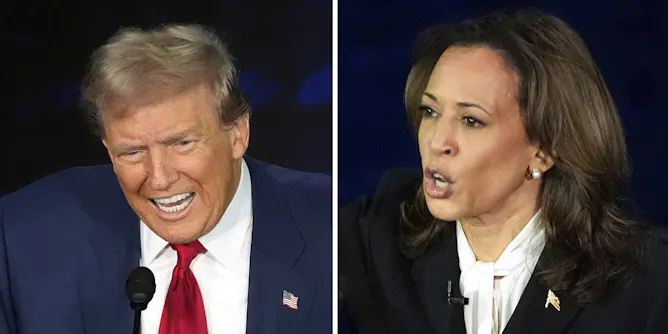
Donald Trump and his supporters have trotted out an array of conspiracies about why he struggled so badly in his first debate against Kamala Harris. Preparation, however, is no conspiracy.
Articles on Televised debates
Displaying all articles
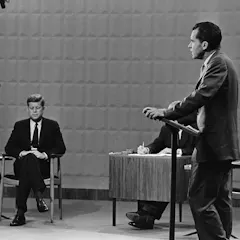
While people now reflect on how or whether Nixon’s sweaty, haggard appearance during the debate cost him the election, the view in 1960 was that the debate was a draw.
Broadcasters can struggle to report impartially when they have to single out one party for making dubious claims.
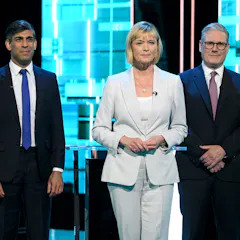
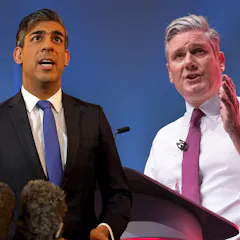
Sunak and Starmer clashed over the cost of living, immigration and the NHS. The Conversation’s expert analysis puts their claims into context.
Audience research can tell us what voters really want to see in debates.
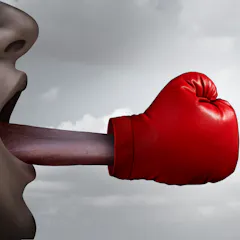
Functional political debates, like healthy democracies, require participants who respect the process and follow mutually agreed-upon rules.
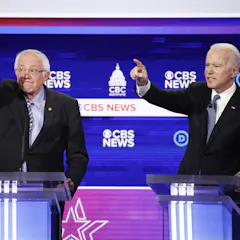
Three new approaches in the field of competitive academic debate offer ideas that could help presidential debates serve both their public purposes.
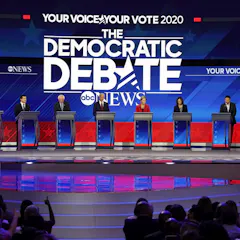
Debates may help voters identify which candidate shares their views but they do not help them think critically about those views. That’s because presidential debates don’t live up to their name.
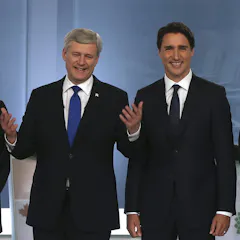
The creation of a new debate commission in Canada should ensure televised showdowns between party leaders amid federal election campaigns are transparent and a boon to democracy.
Top contributors
-

Senior Lecturer and Director of Debate, Vanderbilt University
-
Associate professor, University of Waterloo
-
Associate Professor in Media and Political Communication, University of Nottingham
-
Professor of Communication Studies, Colorado State University
-
Professor Emeritus of Communication, American University School of Communication
-
Professor, Cardiff School of Journalism, Media and Culture, Cardiff University
-
Associate Professor, University of Guelph
-
Lecturer, Political Science, University of British Columbia