

Every year, 1.7 billion people, most in the world’s poorest areas, are affected by NTDs. The diseases cause suffering, stigma, disability and sometimes death.
Articles on Polio
Displaying 21 - 40 of 91 articles
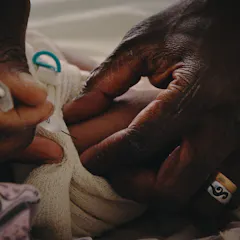
The pandemic has disrupted national immunisation programmes. As a result, the African continent is seeing more outbreaks of vaccine preventable diseases.
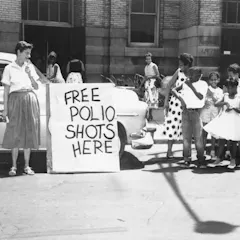
With poliovirus circulating in New York, health authorities worry that pockets of the county with low polio vaccination rates could give the virus a foothold.
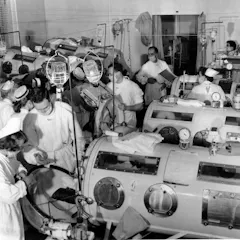
Health officials say the new case of polio in New York state and the presence of poliovirus in the municipal wastewater suggests that hundreds more could already be infected with the disease.
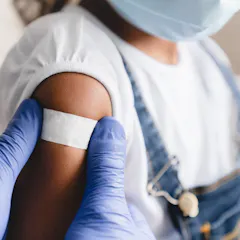
Polio cases in the US, UK and Israel remind us that this could also happen in Australia. Here’s what we should watch out for.
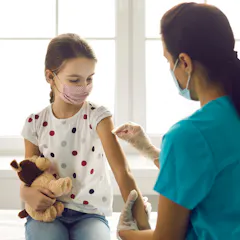
The move follows recent detections of poliovirus in London’s wastewater.
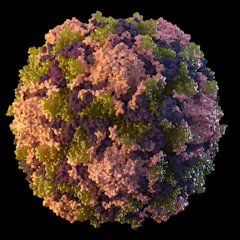
The oral polio vaccine – which is no longer given in the US – relies on a live but weakened virus that can actually be passed from person to person.

The clue is in your poo. Two experts explain the history and science behind wastewater surveillance.
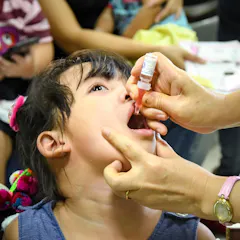
The oral polio vaccine is cheap and effective, but it comes with some risks.
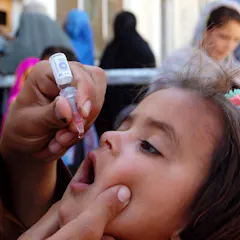
Poliovirus traces in London sewage from February to May suggest ongoing infection

Vaccination campaigns like the ones that eventually eliminated polio and measles in the United States required decades of education and awareness in order to achieve herd immunity in the U.S. population.
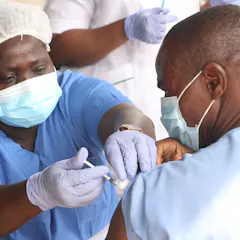
Mandatory COVID-19 vaccination in Nigeria cannot be by oral proclamation, but must be based on legislation or regulation on public health and safety.

A critical care doctor brings a frontlines perspective to the frustration of dealing firsthand with vaccine hesitancy and discusses the limitations of science and medicine.
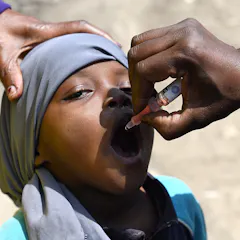
Outbreaks of polio have become a thing of the past, told to us by our grandparents, only because of vaccination.
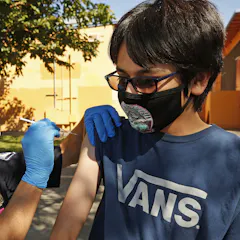
For decades, US schools have been common sites for vaccine clinics to respond to outbreaks and provide catch-up immunizations. So why are they suddenly controversial?
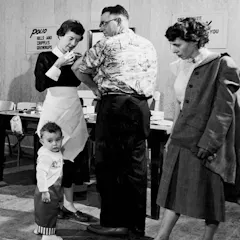
At the height of polio and H1N1, Canadians were keen to get vaccinated, but vaccine enthusiasm waned once the crisis had passed — what does that mean for COVID-19?
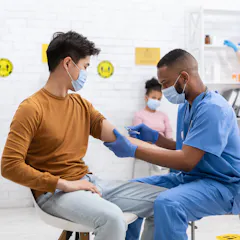
From maternity wards to primary care, Canadian researchers are looking to find the positive motivations of vaccine hesitant people, whether they are new parents or other adults.
In 1959, three armed men broke into the University of Montréal and stole the whole supply of polio vaccine — 75,000 vials valued at $50,000. What have we learned from this event?
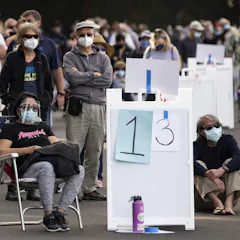
History tells us that delays, administrative hurdles, messiness and complexity are the norm.

As the eradication of polio and the successful rollout of AIDS treatments have shown in the past, global cooperation in the face of COVID-19 is possible.
Top contributors
-

Associate Principal Research Fellow, Burnet Institute
-
Fellow, Nigerian Academy of Science
-
Extraordinary Professor, Global Health, Stellenbosch University; South African Medical Research Council
-
Senior Lecturer, Film and Media Studies, University of Pittsburgh
-
Director of the School of Journalism & Strategic Media, Professor of Media Studies, Middle Tennessee State University
-
Postdoctoral Research Associate, School of Infection and Immunity, University of Glasgow
-
Head, Centre for Vaccines and Immunology, National Institute for Communicable Diseases
-
Chancellor's Fellow, History of Medicine, Emotions and Modern British History, University of Edinburgh
-
Postdoctoral Researcher, Molecular Biology, University of Leeds
-
University of Southern California
-
Masters of Public Health graduate, Harvard University
-
Associate Professor, Melbourne School of Population and Global Health, The University of Melbourne
-
Assistant Research Scientist in Epidemiology, University of Michigan
-
Assistant professor, public policy, Utah Valley University
-
Professor of Global Biosecurity, NHMRC L3 Research Fellow, Head, Biosecurity Program, Kirby Institute, UNSW