

The use of restraints and seclusion in schools for children with disabilities is a human rights problem that needs redress through greater accountability.
Articles on Policy
Displaying 81 - 100 of 188 articles
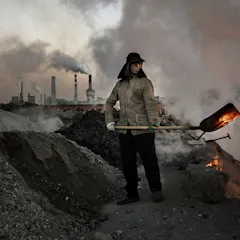
Bold visions for slowing global warming have emerged from all over the world. What’s not clear is how countries will meet them.
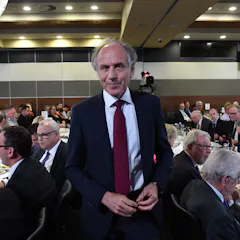
Outgoing Chief Scientist Alan Finkel leaves a legacy of closer ties between policy makers and scientific experts.
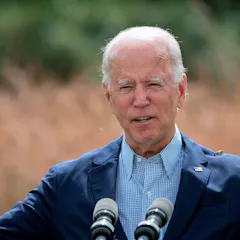
After four years of the US government undoing climate change policies and partnerships, a Biden administration has a chance to rebuild that leadership. But success will require more than quick wins.

It was a campaign like no other, and while there were missed opportunities and lapses of judgement, the fact New Zealanders are voting in a safe and fair election is reason enough to celebrate.

For a COVID-19 vaccine to stop the pandemic, a large percentage of the population will have to get vaccinated. A law professor explains how far government and employer vaccine mandates can legally go.
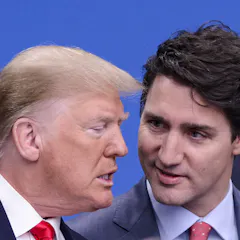
A tale of two leaders on Twitter in the age of COVID-19.

Two economists argue that people who believe the economy will turn around quickly have more incentive to quarantine.
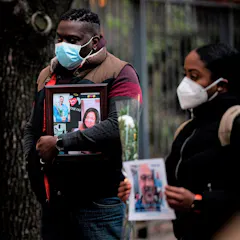
Why one city suffers significantly more deaths than another isn’t always obvious. A simple experiment shows how failing to consider certain factors can point policy makers in the wrong direction.
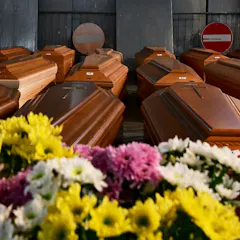
Over the first 100 days of the pandemic, countries that quickly implemented strong policies successfully lowered their death rates faster. There were also some surprises in the successes and failures.
Coronavirus is hitting some communities harder than others. But a lack of very basic data categorisation means it’s difficult for the UK government to tailor its response.

Canada has a long tradition of exporting women’s rights. Canada’s current feminist approach to international assistance is one worthy of developing —and celebrating — this Mother’s Day.

Policy-makers at various levels of government rely on models and simulations to make predictions about controlling the spread of COVID-19.
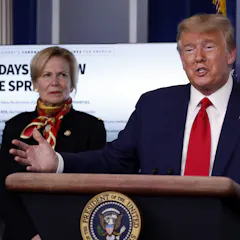
A lot of numbers are being tossed around about COVID-19 and what to expect in the future. They’re being used to make critical public health decisions, but they aren’t as simple as they appear.
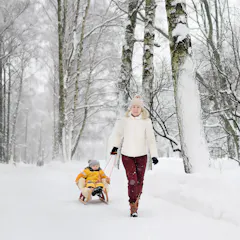
A narrow definition of family can neglect the experiences of many people and can impact policy and programs. It’s time to expand our ideas of what family means.

Attempts by municipal councils to be inclusive towards their ethnic minorities are being hampered by austerity and rising nationalism.

Involving people with disabilities in developing knowledge and policy on disability will significantly help reduce interest bias and untangle the complexity of disability.

Simple policies, such as the free bus pass for older adults, not only reduce loneliness but also help older people maintain cognitive function.
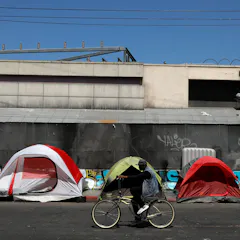
Donald Trump has some ideas about how to end homelessness in the US. Los Angeles’ recent experiences may be an important part of the discussion.

Indonesia needs a digital affairs ministry if it wants to tap growing potential and tackle mounting issues.
Top contributors
-

Senior Research Fellow, University of Edinburgh
-
Professor, Public Service Research, UNSW
-
Director of Research and Development, Pivot Professional Learning; and Honorary Fellow, The University of Melbourne
-
Professorial Fellow, University of Canberra
-
Professor of Economics, University of Technology Sydney
-
ESRC Strategic Adviser on Quantitative Methods Training, University of Edinburgh
-
Professor of Economics, Department of Economics, Deakin Business School and Alfred Deakin Institute for Citizenship and Globalisation, Deakin University
-
Professor of Economics, USC Dornsife College of Letters, Arts and Sciences
-
Emeritus professor, School of Regulation and Global Governance, ANU, Australian National University
-
Associate Professor of History, Miami University
-
PhD Candidate in Social Policy, University of Kent
-
Professor & Greenbaum/Ferguson/NJAR Endowed Chair in Real Estate Policy, Monmouth University
-
Professor, University of Sydney; RMIT University
-
Visiting Fellow, Faculty of Asian Studies, Australian National University
-
Senior Fellow, National Centre for Indigenous Studies, Australian National University