

For some mothers, the placenta has deep cultural meaning. Asking about it during pregnancy could prevent avoidable distress.
Articles on Placenta
Displaying 1 - 20 of 24 articles

Teeth, placentas and surgical remains are being saved and even consumed. Here is what medicine says about safety.
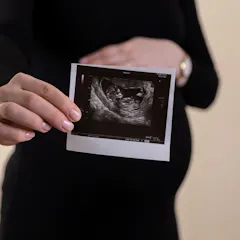
There is strong evidence connecting cannabis use during pregnancy to harmful effects on a child’s brain development, including a higher risk of schizophrenia.

‘Placental organoids’ may help research into the early stages of pregnancy and life-threatening conditions like preeclampsia.

Placentas contain a rich amount of nutrients and stem cells, but there’s a difference between eating it at home for wellness and using it in the clinic to improve wound healing.

In my research, I try to uncover the cultural significance of the placenta and afterbirth in premodern Europe to help us better understand the social and medical history of this important organ.

Crying triggers changes in how a newborn baby gets their oxygen. But not all new babies cry, and it’s not always a problem.
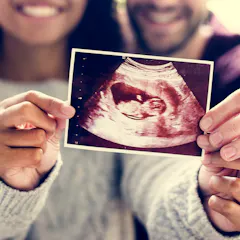
Some scientists believe that the placenta and amniotic fluid that surrounds a foetus have their own microbiome. A new review refutes this.
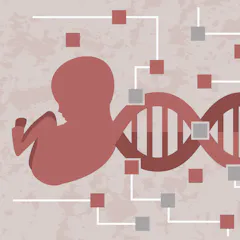
Genetic conflict may play a role in pregnancy complications, such as preeclampsia and gestational diabetes, as well as developmental disorders.

Bits of viral genes incorporated into human DNA have been linked to cancer, ALS and schizophrenia. But many of these genes may not be harmful, and could even protect against infectious disease.

We examined male seahorse pouches under the microscope at different stages of pregnancy, and found they develop complex placental structures over time — in similar ways to human pregnancy.

The placenta is one of the least studied organs, but it is the cause of problems in one in ten pregnancies. A virtual placenta is helping researchers to pick up at-risk pregnancies sooner.

A fetus needs oxygen long before its lungs work and it’s exposed to the air. Some ingenious biochemistry explains how the mother’s blood delivers it.
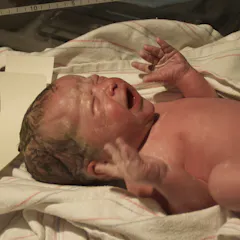
Babies undertake a massive transition during labour and delivery as they move from the supported environment of the uterus to independent existence.
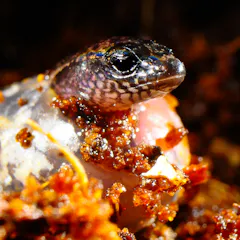
The evolution of live birth from egg-laying is no mean feat. Now new research reports on the first known example where both eggs and a live birth come from the same lizard pregnancy.

Disorders affecting penis development are among the most common birth defects seen in humans, and rates are on the rise.

The placenta could hold the answers to why HIV positive women report higher rates of premature deliveries.
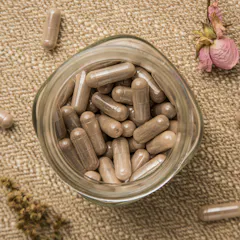
Don’t follow the celebs: eating the placenta has no proven benefits, and could be dangerous.
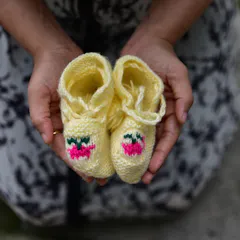
Women born in South Asian countries like India or Pakistan are more likely to have a stillbirth than women born in Australia or New Zealand.

We can prevent congenital deafness and intellectual disability due to cytomegalovirus by simple hygiene measures. So, why don’t pregnant women know about this?
Top contributors
-

Senior Lecturer, Evolutionary Biology, University of Sydney
-
Lecturer, Macquarie University
-
Senior Research Fellow, Obstetrics & Gynaecology, Monash University
-
Perinatal Epidemiologist and NHMRC Early Career Research Fellow, Hudson Institute
-
Chair professor, Hudson Institute
-
Lecturer in Reproductive and Developmental Biology, Deakin University
-
Postdoctoral Researcher in Neuroscience , University of California, Davis
-
Postdoctoral Scientist, Virology Research Laboratory, Faculty of Medicine, UNSW
-
Associate Professor and Deputy Scientific Director Research at Monash IVF, The University of Melbourne
-
Associate Professor of Chemistry, University of Richmond
-
PhD Candidate in Genetics, Tufts University
-
Postdoctoral Fellow in Evolutionary Biology, Macquarie University
-
Professor of Midwifery, Associate Dean Research and HDR, Midwifery Discipline Leader, Western Sydney University
-
Professor, School of BioSciences, The University of Melbourne
-
Professor of Paediatrics and Child Health Research, University of Wollongong