

Low-dose aspirin can reduce pre-eclampsia risk. So should it be recommended for every pregnancy? The science isn’t that simple.
Articles on Pre-eclampsia
Displaying all articles

A man’s health and lifestyle in the preconception period not only affects his future child’s wellbeing – it also influences his partner’s risk of pre-eclampsia.

Planned early delivery is a key component of reducing child and maternal mortality.
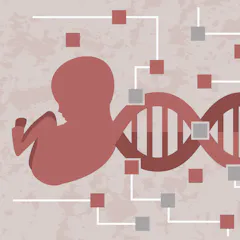
Genetic conflict may play a role in pregnancy complications, such as preeclampsia and gestational diabetes, as well as developmental disorders.
Reducing maternal deaths in developing countries relies on the ability of health systems to swiftly identify and manage women at high risk.

Symptoms of pre-eclampsia, including high blood pressure, usually resolve by about two months after the birth. But some health problems can develop later.
Pre-eclampsia can be dangerous for expectant mothers, but there are ways to monitor and minimise the risks.

Health benefits come with regular sexual contact with the same male partner before pregnancy commences.
An incredibly complex and important organ in its own right, the placenta is only found in mammals. And how it functions has the potential to have profound effects on the lifelong health of the developing foetus.
Top contributors
-

Associate professor, UNSW
-
Professor and Director, Robinson Research Institute, Adelaide University
-
Postdoctoral Research Fellow in Reproductive Health, Adelaide University
-
Program Manager, Global Women's Health
-
Laureate Professor in Nutrition and Dietetics, University of Newcastle
-
Assistant Professor of Psychological Science, Boise State University
-
Cradle 4 Trial Coordinator, Department of Women's Health, King's College London
-
Early career researcher, University of Newcastle
-
Lecturer, Nutrition & Dietetics, Griffith University
-
PhD Candidate, University of KwaZulu-Natal
-
Senior Lecturer in Nutrition and Dietetics, University of Newcastle
-
Professor, School of Biomolecular and Biomedical Science, University College Dublin
-
Professor of Reproductive Medicine, Lund University