

Believe it or not, medication names are intended to be easy to remember and descriptive of the function they serve in the body.
Articles on Pharmaceuticals
Displaying 81 - 100 of 262 articles

From tablets and patches to ointments and infusions, the best way to deliver a drug is the one that gets the right amount to the right place.

As long as industrial policies in Nigeria are introduced only as a crisis response, import restrictions will continue to be their focus.
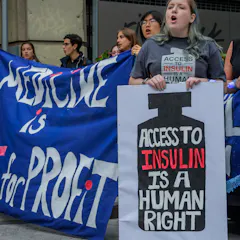
About 1 in 4 Americans with diabetes who need insulin struggle to pay for this lifesaving drug.
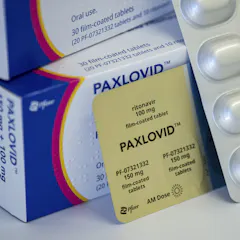
An infectious disease doctor discusses the use, benefits and availability of a drug to prevent severe COVID-19.

While technological advancements have quickened the drug discovery process, some chemical compounds remain a common thorn in a researcher’s side.
Drug repurposing can redeem failed treatments and squeeze out new uses from others. But many pharmaceutical companies are hesitant to retool existing drugs without a high return on investment.

Changes in the latest federal budget will mostly affect people who need multiple medicines throughout the year, perhaps for chronic disease. But there are other ways to reduce drug costs.

It’s easy to blame COVID. But Australia has suffered medicine shortages for years. The pandemic has only highlighted the problem. Here’s what we could do to better avoid shortages in the first place.

Drug development is a long and costly process that often ends in failure. Improving the way potential drug candidates are optimized could help boost success rates.
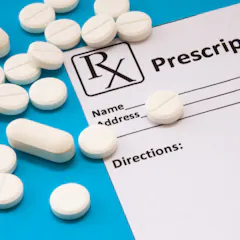
Generic drug names are often long, but they can tell doctors what type of medicine it is and how it works. But it’s brand names that appear first and most prominently in Health Canada materials.

We’ve made a few mistakes in the past two years, when it comes to developing COVID drugs. Some were obvious and could have easily been avoided.
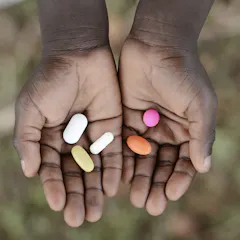
South Africa has a stringent pharmaceutical regulatory framework. But this framework is not backed by a strong implementation strategy.
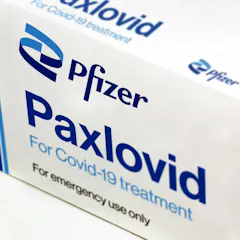
Paxlovid is one potential COVID drug for use at home. The idea is these can potentially be prescribed at the first sign of infection to prevent serious illness and death.
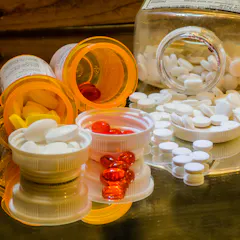
A new study suggests the market alone will not deter or punish pharmaceutical companies whose products turn out to have adverse effects after they have been approved.

Non-intoxicating cannabis products are safe and well tolerated by those who use them, so why not lower the clinical threshold for their manufacture and sale?

The path to using old drugs for COVID is full of potholes. So why are we using the same old flawed methods when we actually know what works?

Here’s how to make the learning process fun and safe.

Chemicals in drugs can be excreted unchanged, infiltrating waterways via sewage and effluent.

The pharmaceutical industry overall has been deeply opposed to waiving COVID-19 vaccine patents, but a historian of the industry explains that drug companies once opposed patents altogether.
Top contributors
-

Professor of Pharmaceutical Chemistry, Macquarie University
-
Associate professor, Department of Family and Community Medicine, University of Toronto; York University, Canada; University of Sydney
-
Distinguished Professor of Pharmacy Practice, University of Connecticut
-
Director and Taylor Family Chair, Centre for the Business & Economics of Health, The University of Queensland
-
Lecturer Pharmacy Practice, University of Sydney
-
Conjoint Clinical Associate Professor, Deakin University School of Medicine and Specialist Pain Medicine Physician, Deakin University
-
Pharmacist and PhD Candidate, University of Sydney
-
Professor of Bioethics, Macquarie University
-
Assistant Professor of Resource Economics, UMass Amherst
-
Professor of Trade Law and Taxation, Queensland University of Technology
-
Senior Research Manager, University of Sydney and Honorary Assistant Professor, Bond University
-
PhD Candidate, Swinburne University of Technology
-
Professor in Pharmaceutical Policy, School of Pharmacy and Charles Perkins Centre, University of Sydney
-
Senior Lecturer, Pharmacy, Aston University
-
Professor of Economics, Loughborough University