
The ‘dark triad’ is made up of narcissism, Machiavellianism and psychopathy.
Articles on Personality
Displaying 1 - 20 of 87 articles
A study of more than 1 million people found genetic influences on the Big Five traits that shape our personality.

We should adapt AI to how extraverts and introverts think.

Could psychopathy be something we’ve just imagined because it’s convenient? Some experts believe so.

Courage is widely considered a fundamental human virtue. A professor of psychology and a university president break down the components of courageous action.
Reassessing Mandela is a reminder that even the most admired leaders operate within constraints.

The persona an AI chatbot presents can not only influence your behavior, but even your physiological responses.
Heroes take a personal risk for the common good. Some people may just be born with the personality traits of a hero – but anyone can get ready to act heroically.

Social media profiles, interviews and annual reports may offer insight into some CEOs’ narcissistic tendencies.
It’s not a single personality trait – lots of factors play a role.
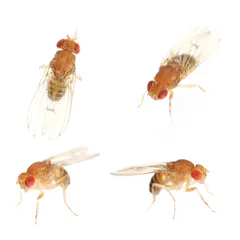
Variability in traits and increased individuality in behaviors is something that can evolve in response to selection, definitely in the lab and potentially also in nature.

Narcissism is a picture that includes insecurity, emotional sensitivity and surprising fragility.

Certain personality traits may help explain why some educated, well-intentioned people sometimes reject conventional medicine in favour of fringe practices.
So-called ‘high agency’ people are more able to do what they want – but research shows our sense of control depends on a lot of factors beyond individual choices.
Emotions are more vivid in your mother tongue, but you’re more objective when speaking a second language.

Nana Addo Dankwa Akufo-Addo’s tenure has underwhelmed Ghanaians who held high hopes for his presidency.

The concept of a personality may sound like it’s set in stone. But personality is really much more flexible − and you can take steps to craft your characteristic thoughts, feelings and behaviors.
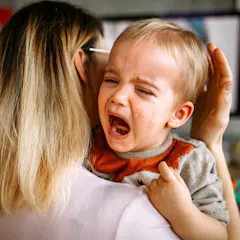
The quality of a child’s attachments to caregivers influences healthy development. And most kids with difficult temperaments do form secure attachments with their parents.

People develop more mature personality features over time, including becoming more emotionally stable.

Some people claim that their personality changed after receiving a donor organ. Here’s how it might happen.
Top contributors
-

Professor of Personality Psychology, The University of Melbourne
-
Professor of Psychology, The University of Melbourne
-
Associate Professor, Federation University Australia
-
Associate Head of Psychology (Knowledge Exchange and Marketing), Edge Hill University
-
Lecturer in Forensic Psychology, City St George's, University of London
-
Cornelia H. Dudley Professor of Psychology, Knox College
-
Senior Lecturer in Psychology, Edge Hill University
-
Professor of Psychology, Bowdoin College
-
Professor of Aquaculture, University of Stirling
-
Assistant Professor of Bioinformatics and Integrative Biology, UMass Chan Medical School
-
Assistant Professor, Psychology, University of Missouri-Columbia
-
Professor of Health Behavior and Health Education, Co-Director of the Center for Bioethics and Social Sciences in Medicine, University of Michigan
-
PhD candidate, The University of Melbourne
-
Senior audio lecturer, Glasgow Caledonian University
-
Wellcome Trust Medical Humanities Research Fellow, Queen Mary University of London