
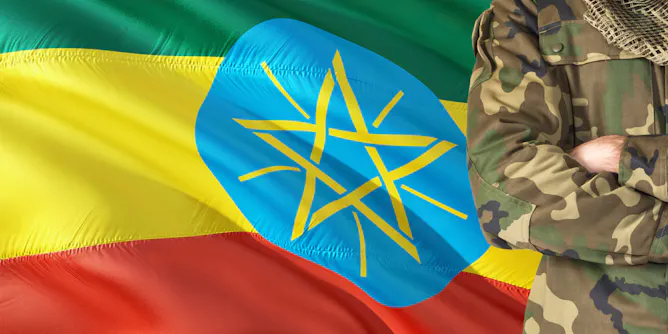
In principle, most conflicts end with peace negotiations. In the Ethiopian situation, it is a matter of when, not if.
Articles on PeaceDay
Displaying all articles
Rwanda’s military intervention in Mozambique’s war against Islamic insurgents has included a request that Mozambique rein in Rwandan opposition members on its soil
Only an emphasis on civilian aspects of rule, such as education and health, can shield the state from rebellions that challenge state power in the future.
Domestic and geopolitical factors mean that the Ethiopian conflict has enough fuel to burn for some time.

Whatever its flaws, it doesn’t mean the government action plan should be ignored or opposed. Rather, more needs to be done to achieve its goals.
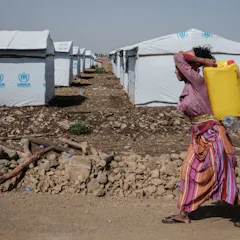
Africa needs to embrace a new approach that focuses on what countries in an embattled region – as a ‘community’ of regional states – can do to intervene.

Instead of fanning the flames, the West needs to be even-handed in bringing the warring sides to the table.
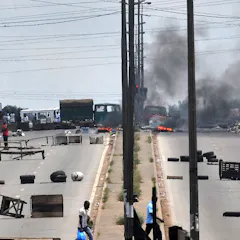
Based on the Cote d'Ivoire experience, the United Nations must reconsider its emphasis on coordinating reintegration and transitional justice irrespective of the post-war context.
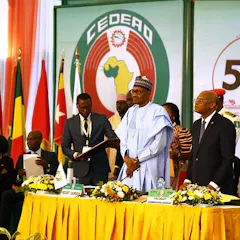
ECOWAS needs to be decisive in enforcing its protocols and sanctioning members that flout the provisions of its protocols and policies.
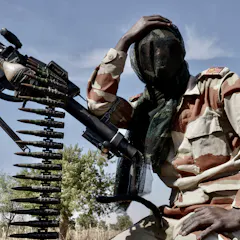
Leaders’ efforts to end conflict have been ineffective. Working through regional economic communities might be part of a better approach.
Top contributors
-

Visiting Lecturer, University of Roehampton
-
Professor of political theory and global ethics, Michigan State University
-
Associate Professor, School of Interdisciplinary Global Studies, University of South Florida
-
Professor Emeritus in Global Health & Humanitarian Affairs, University of Manchester
-
Professor of International Politics, SOAS, University of London
-
Assistant Professor of Political Science, Lakehead University
-
Senior research fellow, Arnold Bergstraesser Institute
-
PhD Candidate and Freelance Political Risk Analyst, King's College London
-
Director & SARChI Research Chair: Political Economy of Migration in the SADC Region, University of Pretoria