
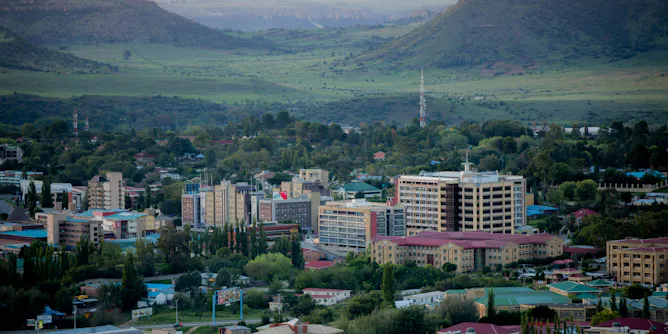
Lesotho, a constitutional monarchy, has been under domestic, regional and international pressure to change its constitution since 2012.
Articles on Peace and stability
Displaying 1 - 20 of 48 articles

Having to account for spending on covert operations would make it more difficult for intelligence agencies to abuse their powers.

Donald Trump has threatened to not defend some NATO countries if Russia attacks them. But the US also benefits from the power that NATO gives it, as well as the stability it helped create in Europe.

As Liberia experiences yet another transfer of power, military neutrality in domestic politics, war fatigue and desire for reconciliation have been identified as reasons for sustained peace.

Those who reject recourse to the courts in favour of street demonstrations are taking the wrong approach to the current democratic turning point.

Intelligence reports offer information that can avert threats to national security or promote national interests.

The new governing coalition enters office amid euphoria and excitement. There are great expectations it will end corruption and fix the ailing economy.

South Africa’s foreign policy is supposed to be guided by the principle of ubuntu (humanness), so a visit to an aggressor is hard to explain.
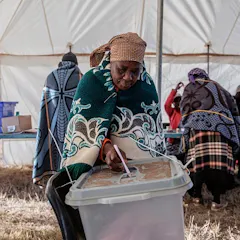
The country has had five governments in 10 years. Every time a government collapses, the reform programme follows suit.
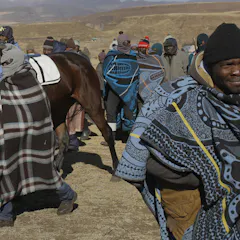
Lesotho has done a good job of curbing the powers of its monarch and making its electoral system inclusive.
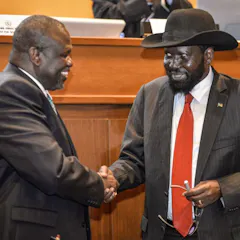
Kiir and Machar have been pivotal figures in most of South Sudan’s short history as an independent nation.

The declining defence budget has eroded the operating and capital expenditure of the military, leaving insufficient funds for the replacement of equipment, maintenance, and infrastructure.
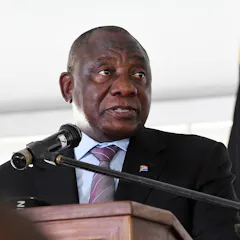
The willingness of the executive to pre-empt criticism by amending COVID regulations has arguably strengthened its position.

Trust and confidence-building are vital in divided nations where various and often antagonist constituencies are brought together.

Study shows that Mozambique 1992 peace agreement was never the success it was claimed to be. The country’s democracy remains weak.

The deteriorating situation prompted regional leaders to intervene in a bid to restore peace and stability.
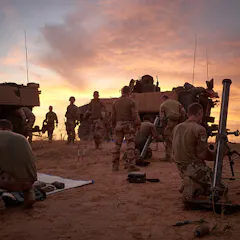
There are few visible results on the ground after eight years of war in Mali.
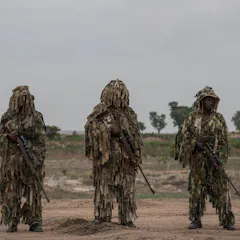
The atrocities and motivation of bandits have assumed insurgent-type criminality. But the Nigerian government is reluctant to label them terrorists or insurgents.
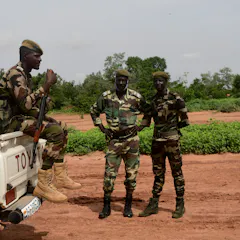
Resolving jihadist conflicts in the Sahel requires treating jihadists not as terrorists only but also as political actors who seek to provide an alternative form of governance to the status quo.

The maritime situation in Mozambique must not be allowed to emulate the maritime threats found off Nigeria, Somalia, and the rebel-held territories in Libya.
Top contributors
-

Head of Department, Public and Environmental Law Department, University of Limpopo
-
Professor of Sociology in the Department of Sociology and Social Anthropology., Stellenbosch University
-
Professor of Sociology, University of the Witwatersrand
-
Lecturer, University of Northampton
-
Research Coordinator, Security Institute for Governance and Leadership in Africa, Stellenbosch University
-
Chief Research Manager, Human Sciences Research Council
-
Criminologist / Senior Lecturer, Stellenbosch University
-
Professor of Francophone Studies (Africa, Caribbean), Faculty Affiliate with Africana Studies, World Literature Program and Human Rights Pracice, University of Arizona
-
Professor of Political Studies, University of Johannesburg
-
Research Director, Development Capable and Ethical State, Human Sciences Research Council
-
DPhil-Candidate in International Relations, University of Oxford
-
Adjunct Assistant Professor, University of Juba
-
Historian, University of Eswatini
-
Professor, Center for Federal Studies, Addis Ababa University
-
Professor and Research Theme Leader of the Flourishing Life Research Theme, University of the Free State