
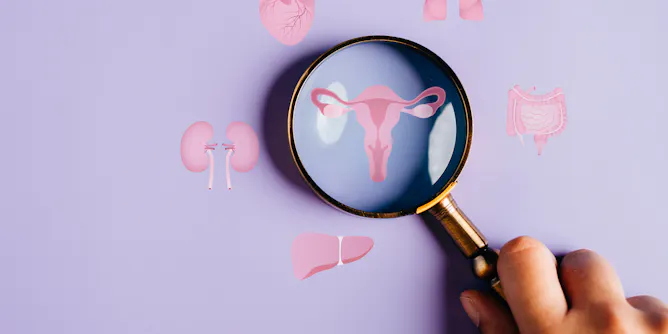
Polycystic ovary syndrome is an inaccurate name for a condition that affects millions of people worldwide. Its new name can help address missed diagnoses and fragmented care.
Articles on PCOS
Displaying 1 - 20 of 29 articles

PMOS is not primarily a disease of the ovaries. Its new name reflects the condition’s more complex and cyclical endocrine and metabolic features.

Polyendocrine metabolic ovarian syndrome, or PMOS, will now be used to describe the condition that affects around one in eight women.

Best known as a type 2 diabetes treatment, metformin is also being investigated for its possible effects on PCOS and ageing.

Influencers claim you’ll lose weight, banish bloating and transform your health. Here’s what the science says.

Polycystic ovary syndrome (PCOS) affects about one in 10 women and is linked to health risks including cardiovascular disease. But it’s still under-recognized, under-diagnosed and under-treated.
Polycystic ovary syndrome affects many parts of the body, not just the ovaries.
This hormonal imbalance affects one in then women, causing acne, fertility issues and more. It’s not just PCOS, and it’s not just “cosmetic”.

Women who see doctors for pain from reproductive health conditions are often advised to relax and get help for anxiety instead.

The symptoms of a burst ovarian cyst can be similar to other serious conditions, such as appendicitis or an ectopic pregnancy.

‘PCOS belly’ isn’t just a TikTok trend – it’s a real symptom of a complex hormonal condition.

It’s not only being underweight that can cause irregularities in your period.

Less than 3% of teenagers in our study told us that they had been taught about specific reproductive health conditions such as endometriosis and PCOS.
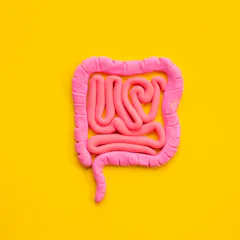
Studies have found that the gut microbiome in women with PCOS differs from those without the condition.

Sex-based policies can lead to backlash and further discrimination in the workplace.

Testosterone therapy is often essential for the health and well-being of transmasculine people. The choice to stop it to pursue pregnancy can be a difficult one.
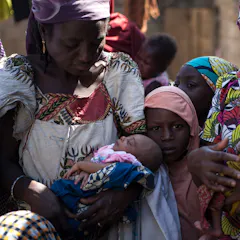
Polycystic Ovarian Syndrome is common among women and girls in Nigeria but not many know its impact on their lives and reproductive health.
Regan, England’s first women’s health tsar, has her work cut out for her.

The “gender health gap” may be at the root of this problem.

Just under one in six Australian women have PCOS but some are being diagnosed when they don’t meet the criteria.
Top contributors
-

Endocrinologist & Assistant Professor, Departments of Medicine and Community Health Sciences, Cumming School of Medicine, University of Calgary
-
Associate Professor in Pharmacy Practice, Kingston University
-
Research Assistant (Community Scholar), Department of Medicine, Cumming School of Medicine, University of Calgary
-
PhD Candidate, Department of Community Health Sciences, Cumming School of Medicine, University of Calgary
-
Senior Research Manager, University of Sydney and Honorary Assistant Professor, Bond University
-
Professor of Medicine, Monash University
-
Professor and Endometriosis Group Leader, The Robinson Research Institute, Adelaide University
-
Visiting Fellow in Menstrual Physiology, King's College London
-
Professor of Reproductive Medicine, The University of Western Australia
-
NHMRC Emerging Leader Research Fellow in Reproductive Health, School of Public Health, University of Sydney
-
Adjunct Senior Research Fellow, Global and Women's Health, School of Public Health & Preventive Medicine, Monash University
-
Professor of Maternal and Perinatal health, University of Birmingham
-
Senior Research Fellow, Monash University
-
Lecturer, Babcock University
-
Associate Professor, Cancer Survivorship and Primary Care, Caring Futures Institute, Flinders University; Western Sydney University