
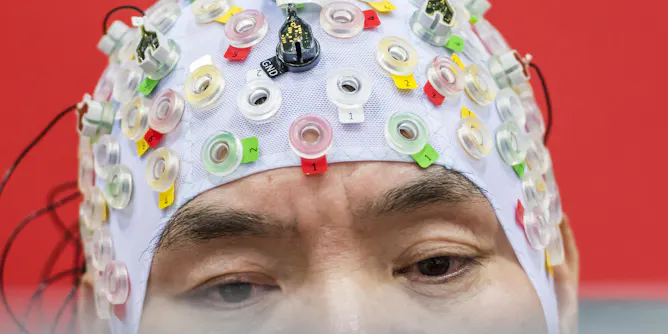
Paralysed people are already using brain-computer interfaces to turn their thoughts into text. But there are risks to this technology.
Articles on Paralysis
Displaying all articles
Functional neurological disorder can be hard to distinguish from other conditions. Some patients feel misunderstood and their symptoms dismissed.

Polio cases in the US, UK and Israel remind us that this could also happen in Australia. Here’s what we should watch out for.
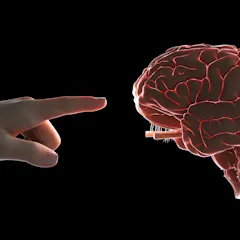
When designing neuroprosthetic devices for users to control with their thoughts, engineers must take into account the sensory information brains collect from the environment and how it gets processed.

Freedom of choice is a pillar of Western culture. But can too much of it be a bad thing?

Researchers have successfully used ‘epidural spinal cord stimulation’ with patients to improve bowel function, restore blood pressure control and increase upper-body exercise capacity.
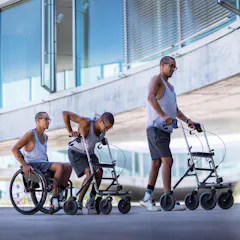
Researchers have found a way to boost damaged spinal cord nerves – in some cases permanently.
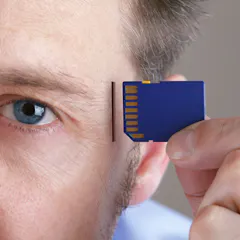
Doctors are working to reconnect the brain to paralysed limbs.

How soft robotics could help paralysed people walk again without the need for clunky equipment.
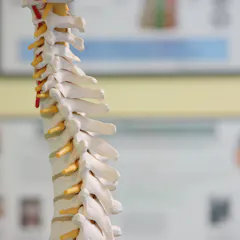
Spinal cord injuries are currently irreparable. When nerve fibres in the central nervous system are damaged there is, as yet, no way of reversing this. But research we’ve been doing has led to the discovery…
Oxford University researchers have harnessed the natural defence mechanism of silkworms, which causes paralysis, in what…
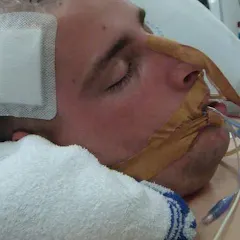
Completely paralysed and seemingly comatose patients may eventually be able to have real-time conversations using scanning machines that can translate their brain signals into messages, a team of neuroscientists…
The science behind the zebra fish’s ability to repair its spinal cord after injury has been unlocked by new research. In…
Top contributors
-

Professor of Neural Interfaces, Newcastle University
-
Post-doctoral researcher at the Hertie Institute for Clinical Brain Research, University of Tübingen
-
Chair in Restorative Neuroscience, Imperial College London
-
Postdoctoral researcher in biomedical engineering, University of Reading
-
University of Salford
-
Research Fellow in Biomedical Engineering, Keele University
-
Senior Lab Director, Social Psychophysiology Laboratory, University at Buffalo
-
Associate Professor of Psychology, University at Buffalo
-
Associate Principal Research Fellow, Burnet Institute
-
Postdoctoral Fellow, Faculty of Medicine, University of British Columbia
-
Chair in Rehabilitation Research, ICORD and Professor, Department of Medicine, University of British Columbia
-
Lecturer in Exercise Physiology, School of Sport, Exercise and Rehabilitation Sciences, University of Birmingham
-
Hwang Endowed Professor of Computer Science and Engineering and Director of the Center for Neurotechnology, University of Washington
-
Neurological Surgery Resident, University of California, San Francisco
-
PhD Candidate, Faculty of Medical and Health Sciences, University of Auckland, Waipapa Taumata Rau