

An epidemiologist makes the case that a rush of research to stop a swine flu outbreak led to an accidental lab release of an extinct virus. Preparing for one pandemic triggered a different one.
Articles on Pandemic flu
Displaying 1 - 20 of 28 articles

H5N1 is the latest evidence that climate change is altering how viruses spread and evolve. It is essential that global public health officials take these dynamics into account.

Avian influenza viruses have evolved to infect birds, but the current H5N1 outbreak is also infecting a wide range of mammals. This suggests that it could mutate into forms that threaten humans.

A fast-moving equine flu cratered the US economy in the fall of 1872, showing all too clearly that horses were essential and deserved better treatment.

There’s no scientific definition for a wave of disease – and no evidence that the original onslaught of coronavirus in the US has receded much at all.
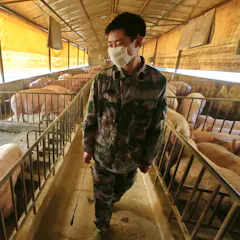
A new set of swine flu viruses have been discovered that are highly adapted to infecting humans – and they’re already spreading among farm workers in China.
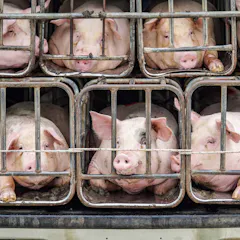
It’s excellent this virus has been found early, but there is no evidence yet of human-to-human transmission.

Artist Edvard Munch depicted despair provoked by disease in turn-of-the-century works. In these coronavirus times, his iconic image speaks to our anxieties about illness and societal collapse.

We commemorate the centenary of the end of WW1, but victims of a more deadly threat are rarely remembered. Let’s change that.

Influenza is an important cause of severe respiratory illness in Kenya especially among children below two years of age.

No one then knew a virus caused the 1918 flu pandemic, much less that animals can be a reservoir for human illnesses. Now virus ecology research and surveillance are key for public health efforts.

With many men ‘missing’ from the population in the aftermath of the 1918 flu, women stepped into public roles that hadn’t previously been open to them.

This antivirus software protects health, not computers. Researchers are beginning to combat deadly infections using computer-generated antiviral proteins – a valuable tool to fight a future pandemic.

Functional early warning systems help countries respond to a disease before it spreads.

A comprehensive analysis of Tasmania’s natural disaster risks has identified bushfire as the biggest threat, alongside emerging issues such as disease epidemics and heatwaves.

One of the biggest recent controversies in medicine involves the effectiveness of the antiviral drug Tamiflu. Governments have stockpiled the drug but many have raised doubts about its usefulness.

What would you do if a zombie apocalypse occurred? I recommend going to the Centers for Disease Control’s (CDC) zombie website for information. It is incredible (see it here). While the zombie website…

The great influenza pandemic of 1918-19, often called the Spanish flu, caused about 50 million deaths worldwide; far more than the deaths from combat casualties in the World War One (1914-18). In fact…

The danger of reporting findings before peer review is that scientists often can’t talk about the details of their research, which can lead to hype or fear in the media. A recent example of this is a controversial…

Influenza infection is very common – about one in five of us are infected each year. But, surprisingly, the majority of infections don’t cause any illness. In a study published in The Lancet Respiratory…
Top contributors
-

Assistant Professor of Philosophy, UMass Lowell
-
Researcher, University of Nairobi
-
Professor of Infectious Disease and Global Health, Cummings School of Veterinary Medicine, Tufts University
-
Professor of Public Health, Bond University
-
Research professor, RMIT University
-
Honorary Professorial Fellow, The University of Melbourne
-
Doctoral Student in Biochemistry, University of Washington
-
Research Affiliate, Discipline of History, University of Sydney
-
Research Fellow, American University School of Public Affairs
-
Assistant Professor, Texas A&M University
-
Reader in Infectious Disease Epidemiology, UCL
-
Associate Professor, Oceans Ice and Climate, University of Tasmania
-
Laureate Professor Emeritus, The Peter Doherty Institute for Infection and Immunity
-
Professor and Director of Doherty Epidemiology, The University of Melbourne
-
Tomas Remenyi is a Friend of The Conversation.
Climate Research Fellow, Climate Futures Programme, University of Tasmania