

COVID-19 is the third-leading cause of death in Canada, but it’s older people who are dying. That we accept this and carry on as if the pandemic is over reveals our ageism: We don’t value older people.
Articles on Pandemic
Displaying 221 - 240 of 1685 articles

The ONS’ Coronavirus Infection Survey has ceased after three years. Two experts explain why it was a uniquely useful source of data.

A shift towards a more distributed, borderless global workforce will not necessarily lead to job losses for Canada, but it will be disruptive and require restructuring in the labour market.
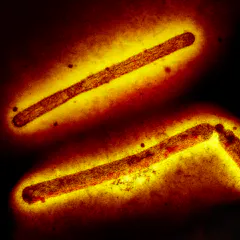
Avian influenza — commonly known as ‘bird flu’ — is infecting domestic and wild birds in Canada and around the world.

New research finds the COVID pandemic has disproportionately affected the mental health and financial circumstances of adults with long-term mental health problems.

Far from progressing, the position of women in management in companies is regressing. Several post-pandemic factors are at work, but both men and women are losing out.

Certain immune cells acquired from a coronavirus that causes the common cold appear to react to COVID – but more so in children that adults.

The pandemic spurred the diagnostics industry to consider aspects like scale, affordability, speed and portability of tests.

The world has mentally moved on from the pandemic, but the ramifications are still widespread. And there’s a lot we can learn.

New reports suggest the pandemic’s origins may be linked to raccoon dogs sold at Wuhan’s Huanan Wholesale Seafood Market. A virologist explains.
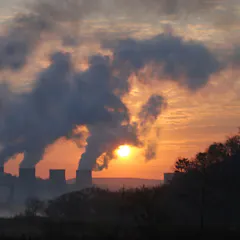
Air pollution can increase COVID risk by weakening our immune defences and exacerbating underlying health conditions.

Workers in Australia didn’t resign from their jobs in the wake of COVID, but they did burn out. A new survey found some solutions.

A sobering picture emerges from a study testing social scientists’ ability to predict societal change during the COVID-19 pandemic.
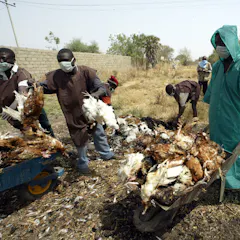
Bird flu has been recurring in Africa since 2006 and Nigeria is heavily affected. High-level biosecurity measures are required to keep people and animals safe.
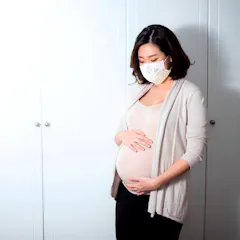
Being pregnant and giving birth during the pandemic meant disruptions in pregnancy care and birth experiences, as well as detrimental effects on mental health and birth outcomes.

Decreased patience and heightened emotions have created a cycle of frustration, with rude customers having abrupt interactions with stressed out service workers.

The WHO first described COVID as a pandemic on March 11, 2020. Where are we at, three years later?

The rate of suicide attempts in children and adolescents increased by 22 per cent during the pandemic compared to before the pandemic.
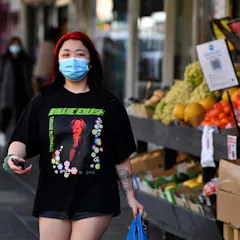
As much as we don’t want it to be, as much as it is off the front pages, COVID is still very much with us. We can end this pandemic, if we choose to.

We will waste the potential of the pandemic if we don’t address the inequalities — specifically the gender inequalities — that it exacerbated and revealed.
Top contributors
-

Associate Professor, Epidemiology, Deakin University
-
Professor of Medicine, University of Virginia
-
Lecturer in Psychology, Swansea University
-
Professor of Global Biosecurity, NHMRC L3 Research Fellow, Head, Biosecurity Program, Kirby Institute, UNSW
-
Associate professor, Department of Family and Community Medicine, University of Toronto; York University, Canada; University of Sydney
-
Professor, Biology, York University, Canada
-
Associate Professor of Viral Immunology, Department of Pathobiology, University of Guelph
-
Research associate, Warren Alpert Medical School, Brown University, Brown University
-
Professor and Tier 1 Canada Research Chair in Global Health Governance; Scientific Co-Director, Bridge Research Consortium, Simon Fraser University
-
University Professor of Sociology, Syracuse University
-
Professor of Public Health, University of Otago
-
Professor of Immunology and Associate Dean, Research and Graduate Studies, University of Guelph
-
Bernard T. Ferrari Professor of Business, Johns Hopkins University
-
Professor and Chair, Department of Journalism, Stellenbosch University
-
Professor of Epidemiology Healthcare Infection and Infectious Diseases Control, UNSW