
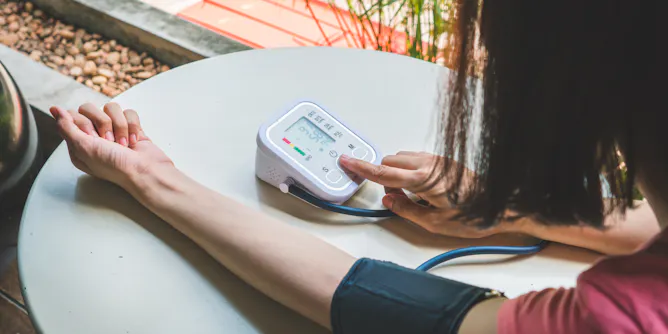
The threshold for diagnosing common conditions such as high blood pressure, chronic kidney disease and gestational diabetes have all lowered in recent years. But for whose benefit?
Articles on Overdiagnosis
Displaying 41 - 60 of 95 articles

Sarah and Donna are 26 weeks pregnant and have the same blood sugar levels. But while Donna is diagnosed with gestational diabetes, Sarah is spared from the label. It comes down to where she lives.

New tests may mean more people are diagnosed, but that doesn’t mean they’ll be helped by the label or the treatment. Here are five markers that overdiagnosis may be occuring.
Labelling very low-risk conditions as cancers can cause unnecessary anxiety and lead to overtreatment.

Unfortunately, there is no net benefit-ometer for breast cancer screening.

Previously, a person would be diagnosed with high blood pressure if their systolic reading was 140mmHg. But it’s recommended this threshold be lowered to 130mmHg, which will do more harm than good.

Since the 1980s, PSA tests have been used for the diagnosis and follow-up of prostate cancer. However, its use as a screening test for prostate cancer remains controversial.

Rates of spinal fusion surgery for back pain are on the rise. This is despite little evidence that it’s an effective procedure and studies showing many will have revision surgery within ten years.
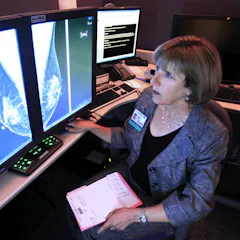
The majority of research suggests the benefits of mammography screening greatly outweigh the harms for women over age 40.

October is breast cancer awareness month. Women should know there is no reliable evidence that routine mammograms reduce death from breast cancer, and there’s good evidence that they cause harm.

Australian health-care organisations are urging action on treatments of people who don’t need them.

Two major studies cast doubt on the value of screening for prostate cancer, yet it continues regardless.

More of us are labelled as sick with the constantly changing diagnostic cut-offs for diseases. Now an international expert panel has drafted a list of things to consider before setting new thresholds.
Reducing health-care waste relating to unnecessary tests has been a major priority for researchers, governments and health services for decades. But how do we change the behaviour of doctors?

It’s not necessarily the case children who are young for their year are being inappropriately diagnosed with ADHD. This is a simplistic analysis.

Women are told it’s important to self-check their breasts. But is this true?

The drug’s limited effectiveness and side-effects should cause potential users to rethink their purchase.
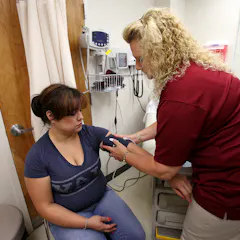
The creation of new “pre-conditions” is turning millions of people into patients across the globe.

Harm doesn’t just come in the form of side-effects or further testing. The “cons” of any treatment also include the costs, which can be financial, emotional, and the costs of the individual’s time.
This was the year of the health review – mental health care, Medicare, private health insurance, the pharmacy industry … and the list goes on. But how much movement was there on policy?
Top contributors
-

Senior Research Manager, University of Sydney and Honorary Assistant Professor, Bond University
-
Professor of Clinical Epidemiology, Sydney School of Public Health, University of Sydney
-
Clinical Professorial Research Fellow, Australian Women and Girls' Health Research Centre, The University of Queensland
-
NHMRC Emerging Leader Research Fellow, School of Public Health, University of Sydney
-
Professor of Medicine, Bond University
-
Professor of Public Health, University of Sydney
-
Professor of Psychology, The University of Melbourne
-
Associate Professor, Bond University
-
Professor of Public Health, Bond University
-
Assistant Professor | NHMRC Emerging Leadership Fellow, Bond University
-
Professor School of Public Health and Preventive Medicine, Monash University
-
Emeritus Professor in Public Health, University of Sydney
-
Professor of Clinical Epidemiology, Bond University
-
Professor & Deputy Director, Women's Health Program, School of Public Health and Preventive Medicine, Monash University
-
NHMRC Emerging Leader Research Fellow in Reproductive Health, School of Public Health, University of Sydney