

During and after WWI, thousands of American women acted as mothers for displaced French children. A war studies research fellow weighs in with considerations for teaching this vital, often overlooked part of transatlantic wartime history.
Articles on Orphans
Displaying all articles
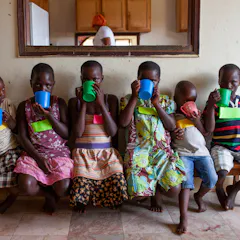
Some African families see orphan-focused NGOs as a path to education and improved lives.
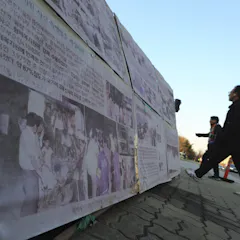
For decades, intercountry adoptees were told they were ‘abandoned’, ‘rescued’ or ‘unwanted’. But these long-held stories are now under scrutiny.
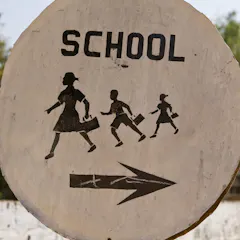
A study in five west African countries found that children fostered by wealthier households were less likely to attend school than children fostered by poorer households.

On the wall of an orphanage in Venice, a musicologist encountered a fresco featuring an aria written for an opera. She’s since embarked on a project to bring this forgotten music back.
Some children of HIV-positive parents drop out of school to look after their mothers and fathers. Others skip class to earn cash for the family by selling goods.
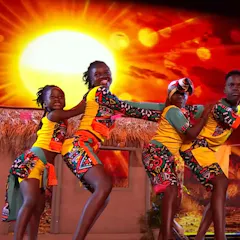
The success of the Ugandan dance troupe offers a chance to discuss the harms of institutional care.
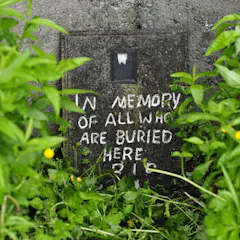
The voices of survivors are a valuable counterbalance to those who seek simplistic solutions to complex problems in child protection.
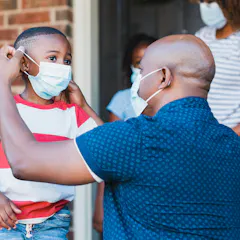
Estimates suggest that every 12 seconds, a child somewhere in the world loses a caregiver to the coronavirus pandemic.

Book adds a great deal to our understanding of how children were ensnared into the Indian Ocean slave trade.
The ‘global gag’ will not lower the rate of abortions, but it will increase misery and suffering.
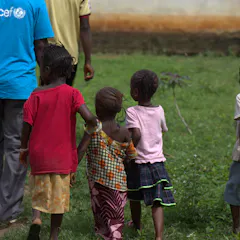
Governments in West Africa and international aid agencies should help facilitate adoptions locally and provide better health care and education to support entire communities.
Most of the world’s ‘orphans’ are not orphans at all and many are caught up in a global trade in meeting demand for adoption. Making intercountry adoption easier adds to the risks for these children.

Following the earthquake in 2010, people flocked to Haiti to “rescue” orphaned and lost children. The problem that has since emerged is that many of the “orphans” placed in orphanages and sent for adoption, were not orphaned at all.
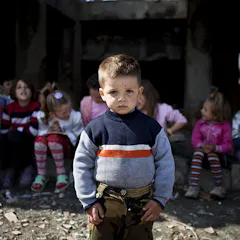
The number of orphanages in developing nations has dramatically increased in the past decade, but where are the “orphans” coming from?
Top contributors
-

Lecturer in Law, Griffith University
-
Principal Lecturer in Journalism, University of Hertfordshire
-
Director Bachelor Social Work Program, School of Human Services and Social Work, Griffith University
-
Honorary Professor in Psychiatry and Mental Health, University of Cape Town
-
Professor of History, University of Botswana
-
Communications Coordinator, University of Cape Town
-
Professor of Humanities, Australian Catholic University
-
Researcher in Economics, Health and Governance, Maastricht Economic and Social Research Institute on Innovation and Technology (UNU-MERIT), United Nations University
-
Distinguished Professor of Musicology and Art History, Penn State
-
Lecturer in Social Work, The Open University
-
Professor of Clinical and Health Psychology, UCL
-
Senior lecturer, University of Ghana
-
Associate Professor, Southern Cross University
-
Associate Professor, Southern Cross University
-
PhD Candidate & Researcher, Southern Cross University