
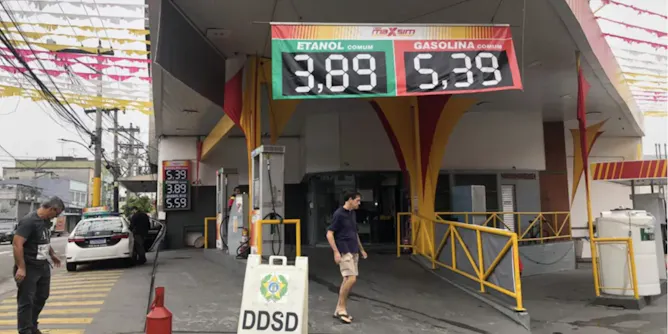
Across Brazil organised crime is diversifying beyond narcotics, arms trafficking into the biofuel and fossil fuel sectors
Articles on Organised crime
Displaying 21 - 40 of 115 articles
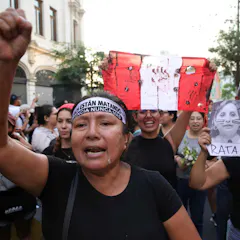
Troops have been deployed on to Lima’s streets as the country grapples with rising criminal violence.
The caravan full of explosives terrified many Jewish people in January, so why is it not considered terrorism?

Abuse of office is no longer a crime and the use of wiretaps has been severely restricted.
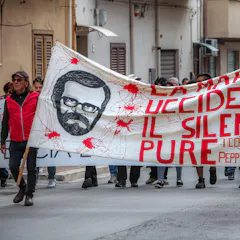
The idea is to create a new culture in which passive compliance with racketeering and extortion is not the default.
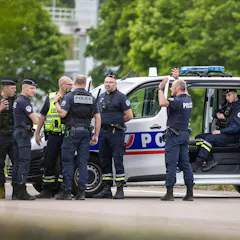
Mohamed Amra is linked to organised crime in the southern city of Marseille.
Kenya must complete a national terrorist financing risk assessment and share it publicly.
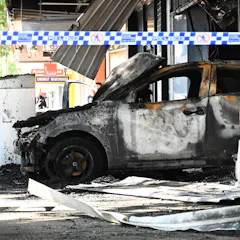
Black markets tend to attract established organised crime groups, which have the capacity to use violence to enforce contracts, collect debts and threaten competitors.
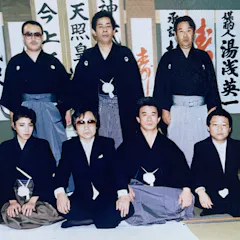
Nishimura Mako’s life in the yakuza was dangerous and violent.

Women are often victims of these highly patriarchal crime systems – but they can also be powerful decision makers and exploiters of others.

Higher education institutions are not explicitly included within the UK’s anti-money laundering regulations.

Mafia groups don’t just cause harm through violence, they can erode the principles that make a democracy function.
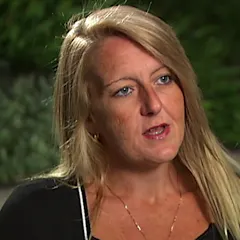
The scandal and its aftermath point to a systemic failure of police accountability. Such failure is fertile soil for police corruption and makes a repeat of the scandal entirely possible.

For 16 years, the government has failed to reform our anti-money laundering and counter-terrorism financing laws to include professionals like real estate agents and lawyers.

Any law that protects threatened wildlife should be welcomed – but a ban alone will not prevent illegal activity.
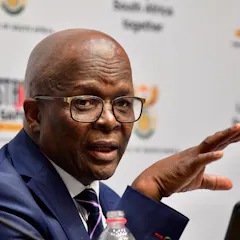
Having an intelligence service that is not fit for purpose means the country is vulnerable to security threats from within and outside the country.

South Africans are actively challenging the criminalisation of the state. Many of the revelations about fraud, corruption and nepotism come from principled whistle-blowers within the state.
Organised crime gangs appear to have realised that committing fewer murders enables them to fly under the radar more easily.

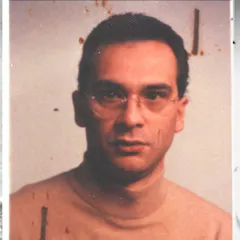
The mafia boss is the last known face of the Cosa Nostra crime syndicate. But his capture represents the end of an era, not the end of the mafia in Sicily.

In contrast to their depiction in most mafia films, women are an integral part of these groups with their own criminal knowledge and capacity for violence
Top contributors
-

Professor of Comparative Organised Crime and Corruption, University of Bath
-
Professor of Sociology of Law and Deviance, Università di Bologna; University of Essex; The University of Melbourne
-
Associate Professor in Criminal Justice and Criminology, Bond University
-
Lecturer in International Relations, Coventry University
-
Associate Professor in Criminology, Deakin University
-
Senior Lecturer of Criminology, Nottingham Trent University
-
Lecturer in Policing Studies, School of Justice Studies., Liverpool John Moores University
-
Professor In Criminology, University of Staffordshire
-
Lecturer (Teaching) for Latin America and the Caribbean, Jill Dando Institute of Security and Crime Science, UCL
-
Professor of Law, La Trobe University
-
Senior Lecturer in American History, University of the West of England
-
Sessional Lecturer, Department of Economics, The University of Melbourne
-
Professor of Criminology, Deakin University
-
Richard von Weizsäcker Fellow na Bosch Academy e Co-fundador, Instituto Igarapé; Princeton University
-
Professor of Accounting, University of Portsmouth