
The Nova Scotia LGBT Seniors Archive and Lesbian Oral History Project focus on gathering stories from the generation that began using the term lesbian, and those who still can’t.
Articles on Oral history
Displaying 21 - 40 of 41 articles
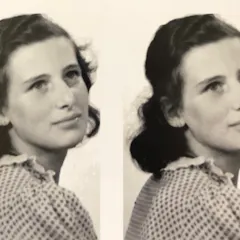
For the first time, the testimony of a 94-year-old Holocaust survivor tells the story of life and love in the camps as a young lesbian woman.
The decline of the news industry has been well documented. How did news organizations in the US heartland, facing potential extinction, survive – and even thrive – through the pandemic?
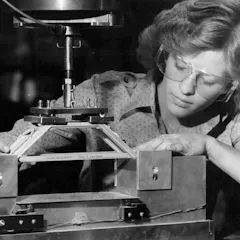
A survey of 251 women engineers who graduated from college in the 1970s sheds light on the experiences of these professional pioneers.
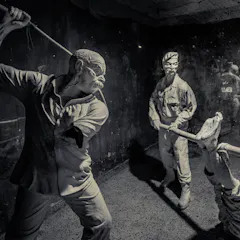
Interviews with former torturers in Saddam Hussein’s regime in Iraq reveal what it takes to be a torturer – which could help explain how to reduce the number of people who get tortured around the world.
Shifting baseline syndrome affects everyone. It’s blinding us to the long-term deterioration of wildlife and ecosystems.
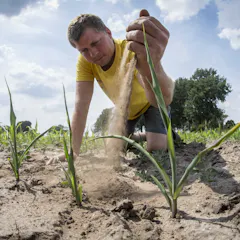
Farmer interviews offer a rich and detailed perspective on extreme weather and climate change.
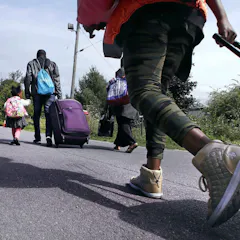
Canadian leaders have desperately tried to preserve the country’s image of liberal humanitarianism at our border, but the reality is Canada’s immigration history is built upon exclusion.
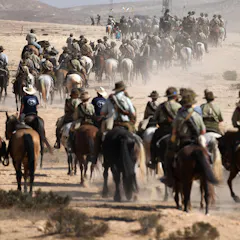
In Aboriginal and Torres Strait Islander communities, Anzac stories are often coloured by racism and ongoing injustices that negate the myth of Anzac ‘mateship’.
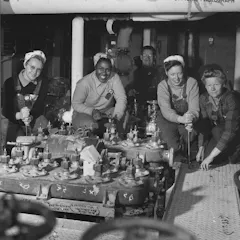
Thousands of American women moved west to take advantage of wartime employment opportunities during WWII. For some, this version of the California dream was temporary; for others, it lasted a lifetime.
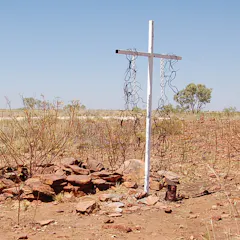
The local Aboriginal people told stories and painted images of a massacre of their ancestors in the early 20th century, but there was no other evidence that the incident took place. Until now.
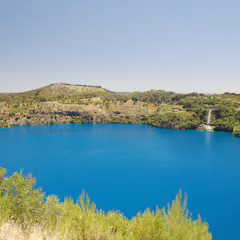
Indigenous people recorded stories that provide much detail about eruptions in Australia. They can help us date natural events in the past and are legitimate sources of scientific information.
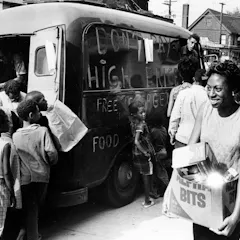
Women have long been the targets of police violence as well as men.
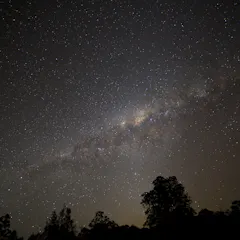
Aboriginal people have been using the stars to help remember routes between distant locations, and these routes are still alive in our highway networks today.
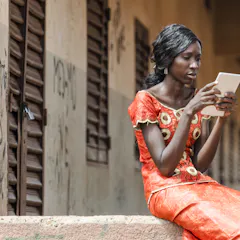
It may seem that in Africa, oral culture has the upper hand over literacy. But this is not the case.
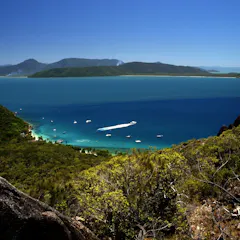
In the beginning, as far back as we remember, our home islands were not islands at all as they are today. They were part of a peninsula that jutted out from the mainland and we roamed freely throughout…
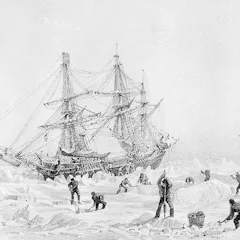
On September 6, Canada’s prime minister, Stephen Harper, announced that one of the fabled lost ships of Sir John Franklin’s expedition had been found off Hat Island, south-west of King William Island…
It is probably just as well that Boston College plans to return the tapes to ex-IRA and loyalist paramilitaries who were interviewed and recorded as part of their Center for Irish Programs’ Belfast project…
The United States was in the middle of a civil war 150 years ago and, while Abraham Lincoln had just issued the emancipation proclamation, it would still be another 18 months until freedom finally came…
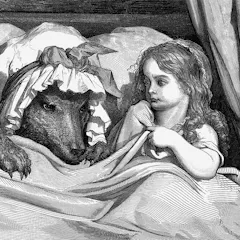
We all know the story: Once upon a time there was a young girl who took a walk through the woods to visit her grandmother, carrying a basket of goodies. When she arrived she found her granny ill in bed…
Top contributors
-

Professor of Geography, School of Law and Society, University of the Sunshine Coast
-
Senior Research Fellow, adjunct, Flinders University
-
Research Scientist in Archaeology, South Australian Museum
-
Senior Researcher at the Archive & Public Culture, University of Cape Town
-
PhD candidate, University of Liverpool
-
Associate Professor, School of Behavioural, Cognitive and Social Sciences, University of New England
-
Professor of History, UMass Amherst
-
Professor of History, Monash University
-
Lecturer, Durham University
-
Honorary Research Fellow, University of Strathclyde
-
Adjunct fellow, Western Sydney University
-
Assistant Professor, Department of Africana Studies/Rites and Reason Theatre, Brown University
-
Associate Professor of History, Clarkson University
-
Research Fellow at the Centre for Trust, Peace and Social Relations, Coventry University
-
Research Associate at Arctic institute of North America, University of Calgary