

The opioid reversal drug is distributed directly to new moms at many of Colorado’s birthing hospitals.
Articles on Opioid overdose
Displaying 1 - 20 of 27 articles
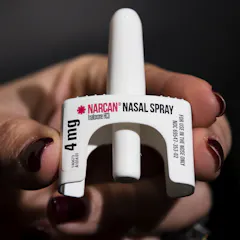
Naloxone can reverse an overdose in minutes, but exactly how it does this at the molecular level has previously been unclear.

Increasingly, these types of tranquilizers are turning up in fentanyl, oxycodone and other illegal opioids.

Naloxone, known by brand names Nyxoid or Narcan, rapidly reverses the depression of the central nervous and respiratory systems caused by opioids.

Health leaders, researchers, advocacy groups, companies and the public have saved millions of lives by reducing the consumption of unhealthy products.

The study discovered that nonmedical personnel can provide the naloxone to an overdose victim in about one minute.
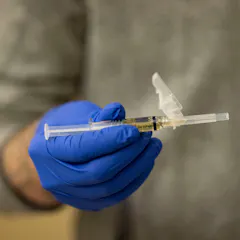
Long-acting injectable buprenorphine is also known by the brand names Buvidal or Sublocade.
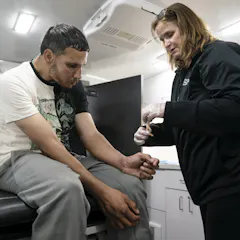
A group of academics look at the global evidence to examine the potential impact of supervised injection sites in Philadelphia and the US.

Unlike opioid drugs like morphine and fentanyl that travel throughout the body, the opioids your body produces are released in small quantities to specific locations.

The Food and Drug Administration’s approval of Narcan will make the lifesaving drug more widely available, especially to those who might be likely to witness or respond to opioid overdoses.

Xylazine, or tranq, is increasingly being mixed with drugs like fentanyl or heroin and can be difficult to detect. Most people who use drugs are unable to tell if they have been exposed to it.
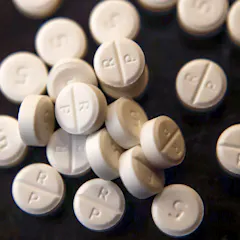
Pennsylvania has long had one of the highest death rates from drug overdose in the US. But new studies suggest counties throughout the state have different rates of opioid deaths.

Studies suggest that marijuana and CBD use might help relieve chronic pain while also reducing a patient’s need for opioids.

Drugs can interact with one another in ways that are harmful. A study finds that taking oxycodone with certain SSRIs can make an opioid overdose more likely.

Measures to curb growing rates of opioid use are also making it difficult for people with long-term, chronic pain to get ongoing prescriptions.
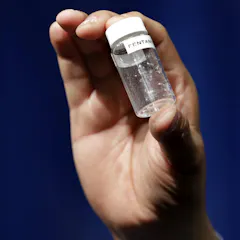
Fentanyl’s wide availability in the drug supply has led to an increase in unintentional overdoses. While prevention strategies are available, limited availability stymies their use.

Opioids can cause death by slowing breathing to dangerously low levels, or stopping it altogether. Examining one area of the brain may eventually lead to safer painkillers.

The U.S. suicide rate has been increasing for decades. According to a sociologist who studies suicide, depression is just one factor among many implicated social conditions.
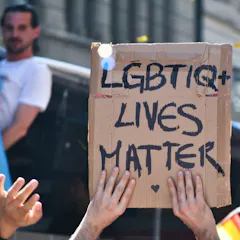
The overdose crisis — coupled with a lack of accessible harm reduction services — represents a growing concern for young queer and trans men who use drugs.
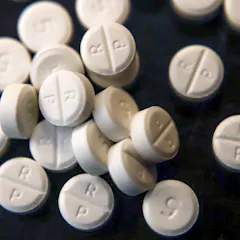
Pharmacists are well positioned to provide communities with a lifesaving drug.
Top contributors
-

Professor of Emergency Medicine, UMass Chan Medical School
-
Professor of Criminology, University of South Wales
-
Professor and Deputy Director, Monash Addiction Research Centre, Monash University
-
Assistant Professor Department of Health Services Policy and Management; Adjunct Professor Department of Clinical Pharmacy and Outcomes Sciences; Principal Investigator William Jennings Bryan Dorn Veterans Affairs Medical Center, University of South Carolina
-
Assistant Professor of Public Health and Community Medicine, Tufts University
-
Research Scientist, BC Centre on Substance Use and Assistant Professor in the Division of AIDS, Department of Medicine, University of British Columbia
-
Professor and Director, National Drug Research Institute, Curtin University
-
Professor of Pharmacy, Wayne State University
-
Director of the Master of Bioethics degree program at the Berman Institute of Bioethics, Johns Hopkins University
-
Professor of Psychology, University of Guelph
-
Associate Professor of Pharmacology, University of Arizona
-
Associate Professor of Pharmacy and Therapeutics, University of Pittsburgh
-
Professor of Pharmacy and Therapeutics, University of Pittsburgh
-
Researcher of Geography, Penn State
-
Chair in Clinical Pharmacology and Therapeutics, University of Hertfordshire