

By adding friction and making it possible for people around problem gamblers to see what they’re up to, a cash requirement could protect them from big losses.
Articles on Online gambling
Displaying 1 - 20 of 42 articles

The new legislation tinkers around the edges rather than making bigger changes to really tackle gambling harm.

Explosive allegations of betting inducements have been heard at a Senate inquiry into online gambling laws.

New research shows most gamblers misunderstand “free bet” terms, leaving them exposed to far higher costs than expected.

Online gambling has become easier, faster and more prevalent on social media feeds and streaming platforms – which appeals to younger adults in particular.

Anthony Albanese states he’s taken more action on problem gambling than any government since Federation. How does this claim stack up?

New research shows Australian gambling harms, including suicide, may have been systematically under reported.

A proposed new law won’t require online casinos to pay back a share of profits to community organisations, with potentially dire consequences.

As gambling companies increasingly target young people, many are becoming frustrated by a lack of government action to protect them from gambling harms.

There’s an urgent need to protect younger Australians, and in particular men, at greatest risk of gambling harm. Here is one effective way this can be achieved.

Since launching online gambling, the Ontario government, which gains significant tax revenue from gambling, has announced no funding for independent research to monitor the impact on problem gambling.

Two key factors mean some gambling forms are more harmful than others: the speed of betting, and bet size.
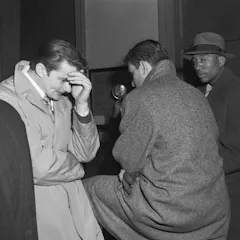
The US has a long history of sports betting scandals.

No one can say Australian sport is worse off without tobacco ads. We can protect a new generation of young sports fans from harm by following other nations’ lead – and phasing out gambling ads.

We can make better use of technology to limit problem online gambling.

It’s important Australia doesn’t follow the ineffective voluntary approach to gambling marketing that the UK is taking.

In the 1970s, the Anti-Cancer Council launched a concerted, evidence-based public health campaign to end tobacco advertising – and many of their strategies could be used today on gambling advertising.

We interviewed 11- to 17-year-olds and they told us gambling advertising is so pervasive in their lives, it’s become normalised.

The UK has a gambling problem but some of its neighbours could provide inspiration on how to prevent gambling harms.

Accessing gambling and pornography sites may well get harder in Australia, if plans for mandatory age-verification go ahead. But there are already technical workarounds for determined web users.
Top contributors
-

Associate Professor, School of Public Health and Preventive Medicine, Monash University
-
Professor of Public Health, Deakin University
-
Postdoctoral Research Fellow - Institute for Health Transformtion, Deakin University
-
Senior Research Fellow – Institute for Health Transformation, Deakin University
-
Associate Professor of Business, Boston University
-
Professor in Psychology, Bournemouth University
-
Principal Academic in Psychology, Bournemouth University
-
Director, Gambling Treatment and Research Clinic, Professor, School of Psychology, University of Sydney
-
Director of the International Gaming Research Unit and Professor of Behavioural Addiction, Nottingham Trent University
-
Head, Experimental Gambling Research Lab, CQUniversity Australia
-
Researcher and PhD Candidate, CQUniversity Australia
-
Associate Professor of Sport Management, University of Technology Sydney
-
Professor, HBKU Qatar and Visiting Professor, Bournemouth University
-
Research Fellow in Economics, University of Nottingham
-
Foundation Professor of Finance, University of Newcastle