
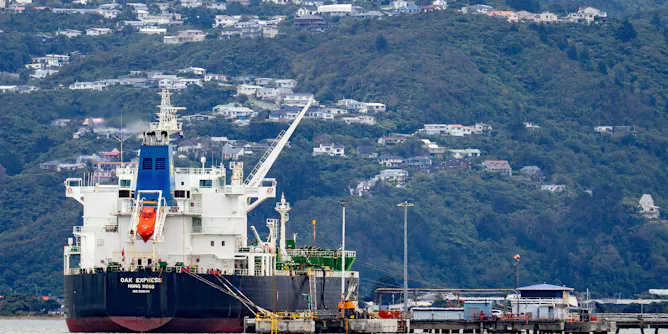
NZ today stands as the only International Energy Agency member whose public oil reserves lie entirely offshore. How can it now rebuild its domestic fuel resilience?
Articles on Oil shock
Displaying all articles

Frustrations at slow global climate talks has led more than 50 nations to begin plans to phase out fossil fuels – even as oil shocks raise the stakes.
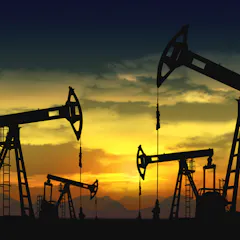
During the 1973 oil shock, Queensland promised to open a huge oilfield. History is repeating as Australia searches for secure supplies of fuel.
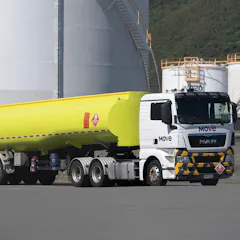
Promoting fuel saving measures as vital to energy security would help frame the oil shock as a technical problem to be solved, not a political issue to be fought.
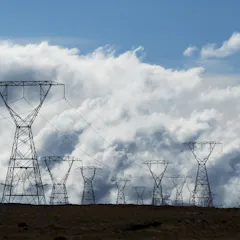
Two new fast-track energy projects offer very different paths: one tied to volatile fossil fuels, the other to a more sustainable, renewable future.

Modelling shows higher costs affecting freight, food production, and manufacturing – pushing up the cost of all kinds of goods, from steak to steel.
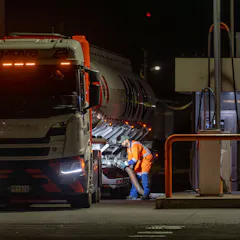
As prices surge, the Middle East crisis highlights New Zealand’s exposure to global oil – and the need to accelerate more resilient alternatives.
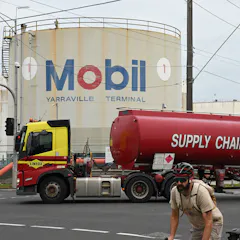
It’s highly unlikely Australia will end up with no diesel. But if what is available becomes extremely expensive, the whole economy – and all of us – will feel it.
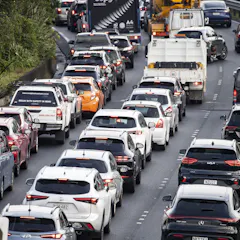
New Zealand generates more than 85% of its electricity from renewable sources, but transport remains almost entirely chained to imported oil.

Canada must move away from using fossil fuels, but a transition that comes too fast could harm the economy. Policy-makers must strike a balance between energy security and economic growth.
Top contributors
-

Senior Lecturer in Urban Planning, University of Auckland, Waipapa Taumata Rau
-
Senior Lecturer in Finance, Macquarie University
-
Senior Lecturer in Economics, University of Otago
-
Adjunct Professor of Economics, Griffith University
-
Senior Research Fellow, Centre for Sustainability, University of Otago
-
Industry Fellow, Institute for Sustainable Futures, University of Technology Sydney
-
Professor of Cognitive Psychology and Director of the Institute for Climate Risk and Response, UNSW
-
Research Associate, Institute for Climate Risk and Response, UNSW
-
Assistant Professor in Finance, University College Dublin
-
Associate Professor of Economics, University of Regina
-
Associate Professor in Finance, Auckland University of Technology