
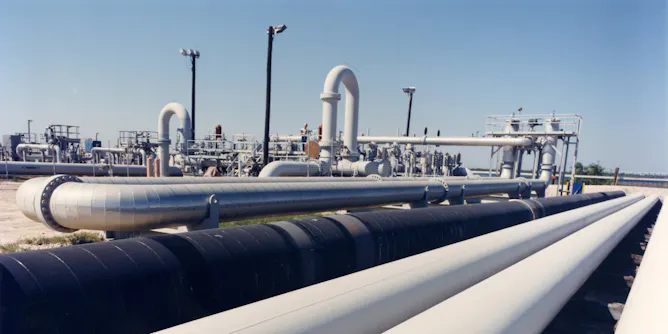
The total release could reach 180 million barrels over six months, which would make it the biggest in the history of the Strategic Petroleum Reserve.
Articles on Oil prices
Displaying 61 - 80 of 117 articles

Oil is used throughout the US economy. It goes into packaging, toys, clothing and especially the food we eat.
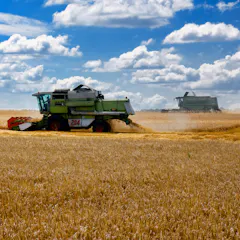
The Russian invasion of Ukraine will have global impacts far beyond the region directly involved in the fighting. Food prices will increase, and the effects will be felt by the most vulnerable.

Over-reliance on sanctions and economic warfare measures have led to strategic complacency and the avoidance of negotiations on the part of the western governments.
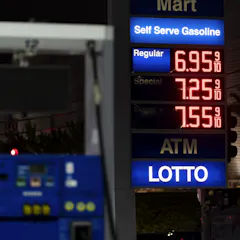
Price shocks are a feature of the global oil market, not a bug – and even when governments take many steps to grow supply or reduce demand, it can be years before prices ease.

Every time Alberta’s energy-based economy goes into a tailspin, it’s because the price of oil has declined precipitously, and when it booms, it’s because the price has soared.
Proposals to cut Australia’s fuel excise will prolong an already alarming dependence on oil-based imports and undermine policies to shift the nation away from fossil fuels.
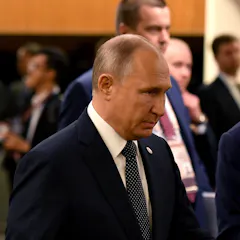
Despite limited direct economic ties, Russia’s invasion of Ukraine has important consequences for Australians too.
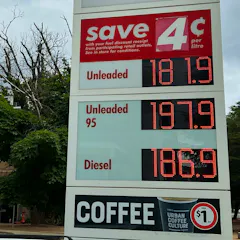
Australia may not import crude oil or petrol from Russia. But the world oil market behaves as one great pool.
Nigeria’s post COVID-19 economic recovery plan has resulted in only marginal improvements in economic growth, manufacturing and foreign direct investment.

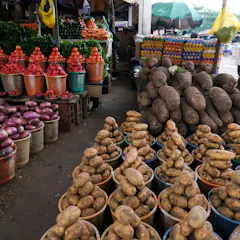
How the cost of what we eat rises and falls.
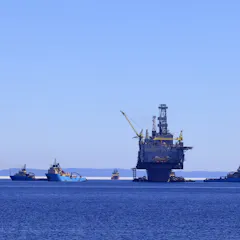
Newfoundland and Labrador’s offshore oil and gas industry is the province’s largest contributor to the economy and will be critically important to its future.
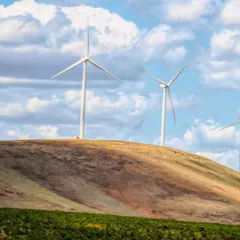
The federal government is spending $94 million to buy cheap oil. Instead, Australia should use the money to manufacture our own energy.
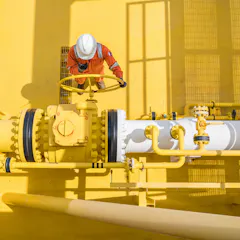
Helium plays an important role in breathing devices and it mostly comes as a by-product of petroleum production.
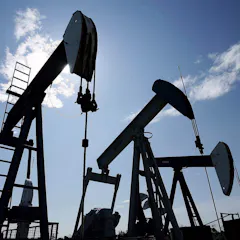
Alberta oil is the collateral damage of the oil war between Russia and Saudi Arabia, with COVID-19 launching an additional attack. The province’s oil industry will struggle to recover.
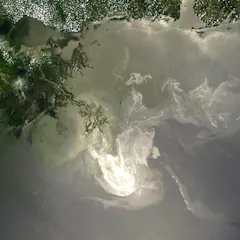
The BP Deepwater Horizon blowout on April 20, 2010 triggered the largest offshore oil spill in history. Ten years later, post-spill reforms are being undone and the Gulf of Mexico remains vulnerable.
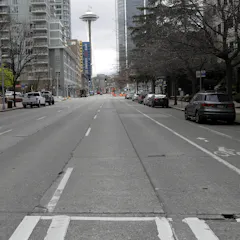
The US is gradually shifting to lower-carbon energy sources, but the COVID-19 pandemic, an oil price crash and a likely recession are big speed bumps.
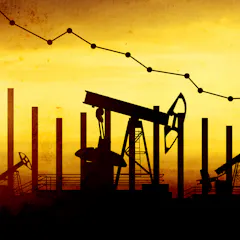
COVID-19 is a huge challenge for the whole world, and Canadian oil producers, already suffering from long-term market trends, will be particularly badly hit.
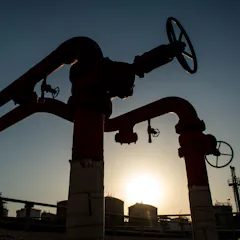
Tensions between Iran and the US have spiked, but oil prices have barely budged. Why not? And is the oil markets’ muted response an accurate reflection of the rising tensions?
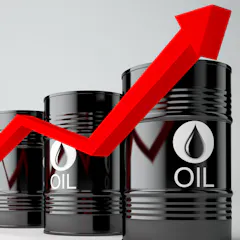
To make sense of the Soleimani assassination, you need to look at the global economics of oil.
Top contributors
-

Lecturer in Energy Systems, University of Oxford
-
Lecturer in International Studies, University of Washington
-
Professor Emeritus of Economics, McMaster University
-
Honorary Fellow, The University of Queensland
-
Professor of Finance and Distinguished Professor of Applied Investments, Appalachian State University
-
Professorial Fellow, University of Canberra
-
Professor, Geography Department and School of Public Policy & Global Affairs, University of British Columbia
-
Director, Energy, Climate Justice, and Sustainability Lab, and Research Professor, New York University; Tufts University
-
Professor and Head, School of Business, Monash University Malaysia
-
Energy Economist, University of Surrey
-
Associate Professor, School of Economics, University of Sydney
-
Director, Queen's Institute for Energy and Environmental Policy, Queen's University, Ontario
-
Associate Professor of Finance, Mississippi State University
-
Associate Professor of Economics and Finance, University of Tasmania
-
Departmental Visitor, Centre for Arab and Islamic Studies, Australian National University