
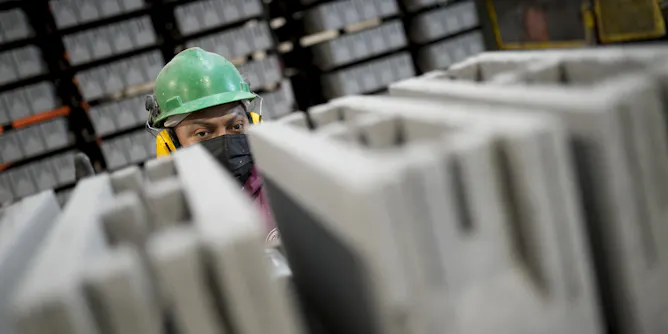
The combination of the source of the CO₂ and its end use determines its environmental and economic benefits or consequences.
Articles on Oil industry
Displaying 21 - 40 of 65 articles
Does the science support the need for a fossil fuel phase out to reach 1.5 C? The answer depends on whether we believe that carbon capture and removal technologies can be deployed safely at scale.
By making individuals responsible for reducing pollution and greenhouse gas emissions, the oil industry is deflecting responsibility for making profound changes in their production practices.

Russia’s 2022 invasion of Ukraine reprised the risks of energy weaponization, but the oil landscape today and energy security itself are changing.

The International Energy Agency moved up the date when it expects oil demand to peak to before 2030. Electric vehicle growth is a big part of the reason.
New Zealand is considering a plan to tax methane from cows. But while cows and cars both emit greenhouse gases, they don’t have the same impact over time.
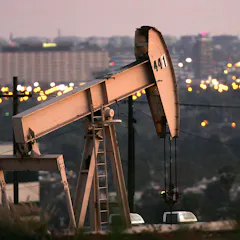
The Los Angeles area has over 20,000 active, idle or abandoned oil wells. The city and county have voted to ban new ones after studies showed health problems in residents living nearby.

The Alberta government is failing to ensure environmental liabilities are adequately accounted for and that progress is being made to address the province’s massive tailings ponds.
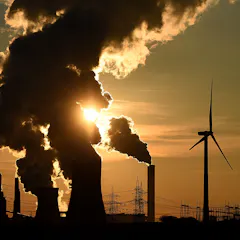
Roundtable discussions with leaders from major energy companies reveal a lack of pressure from regulators or investors and a strong belief that fossil fuel use will continue for years to come.
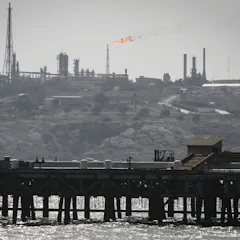
With accelerating climate change making the need to decarbonise clearer by the day, two oil-dependent countries weigh how to preserve and present their historical fossil fuel infrastructure.

Nigerian popular music - Afrobeats - is storming the world’s stages. But it’s just the latest stage in a vibrant century of recorded music in the country.

A study found $1.4 trillion in oil and gas industry assets would be at risk if governments follow through on their pledges to deal with climate change.
A new study adds up the potential legal and financial risk countries could face from hundreds of agreements, like those under the Energy Charter Treaty.
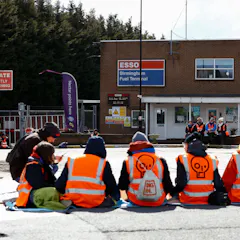
Fragile supply chains can handle protests better than massive extra demand.
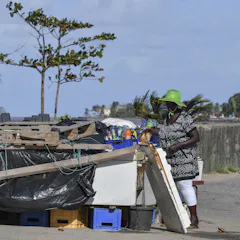
Buyers are avoiding Russian oil in response to the war in Ukraine. Can smaller producers leverage this moment to strike favorable deals with big oil companies?
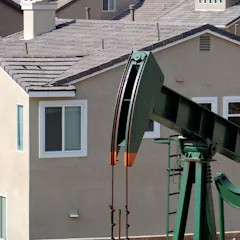
Photos from the early 1900s show LA’s forests of oil derricks. Hundreds of wells are still pumping, and research shows how people living nearby are struggling with breathing problems.
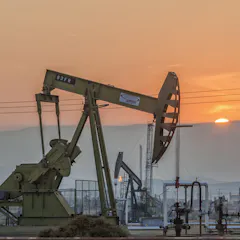
Most carbon dioxide captured in the U.S. today is used to extract more oil. Two scholars point to another way: biological sequestration.
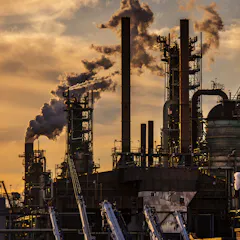
Transcripts and internal documents show how the industry shifted from leading research into fossil fuels’ effect on the climate to sowing doubt about science.
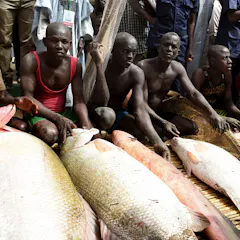
Nigeria must address illegal fishing, which depletes the country’s fish stocks, undermines livelihoods and pushes people into poverty.
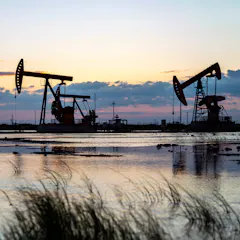
The seismic changes to energy supply and demand during the pandemic could be just the beginning.
Top contributors
-

Director, Energy, Climate Justice, and Sustainability Lab, and Research Professor, New York University; Tufts University
-
Nonresident Fellow in Energy and Global Oil, Baker Institute for Public Policy, Rice University
-
Professor, Environmental Studies Program at UC Santa Barbara
-
Preceptor, College Writing Program, Harvard University
-
Assistant Professor of Religion, Rice University
-
Lecturer in International Studies, University of Washington
-
Associate Professor of Environmental and Occupation Health, University of California, Irvine; University of Southern California
-
Pro-Vice Chancellor: Global and Sustainability, Newcastle University
-
Professor in Earth & Climate Science, University of Southampton
-
Professor of Petroleum Engineering, The University of Texas at Austin
-
Lecturer in International Relations, Coventry University
-
Co-director, STEPS (Sustainable Transportation Energy Pathways), University of California, Davis
-
PhD researcher, Durham Energy Institute, Durham University
-
Professor of Marine Technology, Liverpool John Moores University
-
Guest Teacher in International History, London School of Economics and Political Science