

Short-term humanitarian aid won’t go far in alleviating Cuba’s long-term energy crisis.
Articles on Oil
Displaying 21 - 40 of 445 articles
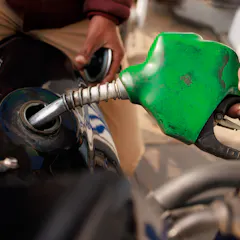
Rich countries have been burning through oil stockpiles and seeking other suppliers to avoid the global energy crunch. But these measures have limits
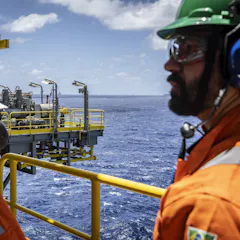
Oil producers across the Americas have responded to the disruption in the Gulf by increasing output and exports.

Amid the ongoing energy crisis, climate economics experts assess how much export credit agencies are actually driving the shift to lower-carbon as they focus financing on green energy.
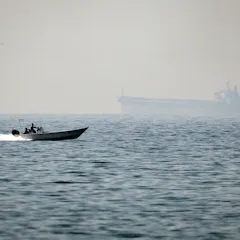
Iranian tariffs in the Strait of Hormuz may change how oil is traded and priced, with implications for currencies, alliances and global economic power.
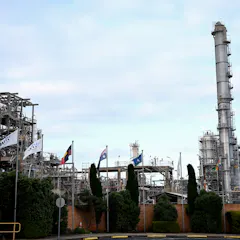
To be financed off-budget and implemented fully by 2030, the plan includes $3.2 billion for a government-owned storage facility. But details are scarce.
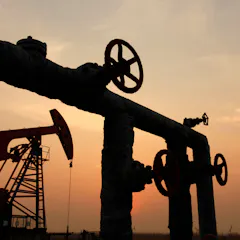
Closing down oil wells can cause long-term damage, which is difficult to reverse.
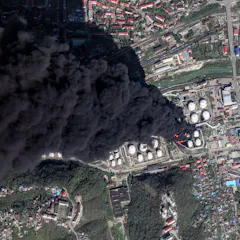
Many oil refineries have caught fire recently. Whether caused by drone strike or accident, the result is the same: more pressure on shaky energy systems.
US sanctions on foreign nations have lost some of their power to influence the behavior of other nations – with increasing costs for the US to boot.
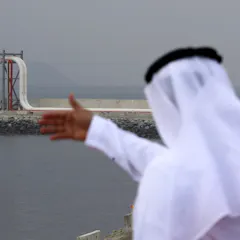
The UAE and Saudi Arabia have long been at odds over oil policy. The latest move is also likely to further their broader regional rivalry.
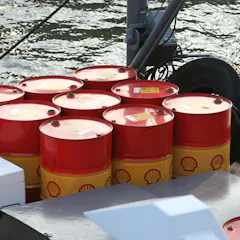
Rising energy prices and tighter global financial conditions are exposing the limits of Ghana’s
import-dependent fuel model.
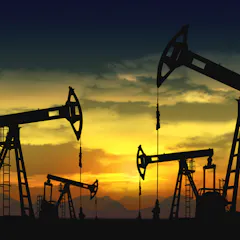
During the 1973 oil shock, Queensland promised to open a huge oilfield. History is repeating as Australia searches for secure supplies of fuel.
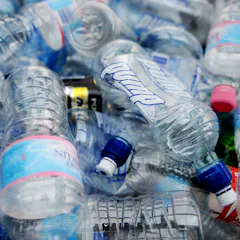
Just a tiny fraction of the plastic Australia uses each year gets recycled. This year’s oil shock could cause a rethink.
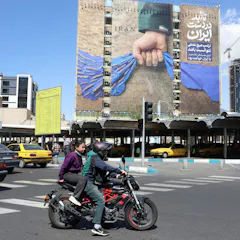
Iran’s leaders are demanding sovereignty over the strait for a reason: it protects them from future attacks and can be a very effective bargaining chip.
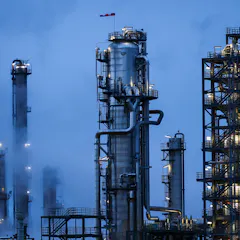
Even if the Iran war ends, the fallout from this oil shock is likely to persist for a long time. Here’s what the end of ‘cheap’ oil could mean for the world.
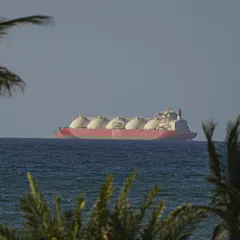
China stands to be impacted first, as the main buyer of Iran’s crude oil. But if the blockade drags on, its knock-on effects could impact the whole world.

Price caps can cause supply problems – but there are other options.
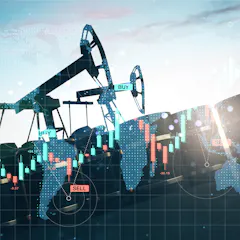
Even in more peaceful times, oil is considered to be one of the world’s most volatile commodities.
The Strait of Hormuz bottleneck may be about to reopen – but damage to oil infrastructure will mean lingering pain in Australia – and worldwide.
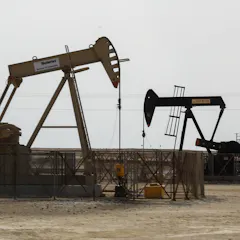
For sheer abundance and ease of production of oil and natural gas, it simply doesn’t get any better than the Persian Gulf region.
Top contributors
-

Lecturer in International Studies, University of Washington
-
Director, Energy, Climate Justice, and Sustainability Lab, and Research Professor, New York University; Tufts University
-
Lecturer in Energy Systems, University of Oxford
-
Honorary Fellow, The University of Queensland
-
Industry Fellow, Institute for Sustainable Futures, University of Technology Sydney
-
Departmental Visitor, Centre for Arab and Islamic Studies, Australian National University
-
Associate Professor of Environmental and Occupation Health, University of California, Irvine; University of Southern California
-
Fellow for the Middle East at the Baker Institute, Rice University
-
Professor of Law, Deakin University
-
Professor, Environmental Studies Program at UC Santa Barbara
-
Director and Lecturer, Extractives Baraza, Strathmore University
-
Professor and Head, School of Business, Monash University Malaysia
-
Professor of Geoenergy, Carbon Capture and Storage, Durham University
-
Professorial Fellow, University of Canberra
-
Senior Lecturer in Economics, The Open University