
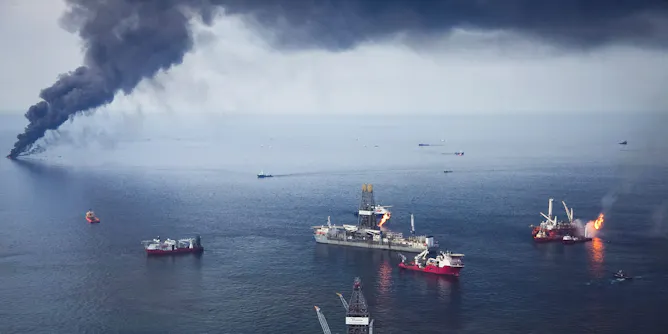
BP’s plans for the Bight say it would take 10 days to begin dispersing an oil spill at source, and 35 days for well-capping equipment to reach the site – making it likely that oil would hit the coast.
Articles on Offshore oil drilling
Displaying 21 - 28 of 28 articles
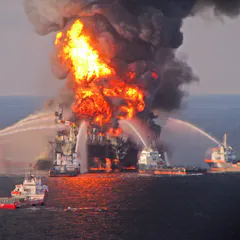
As BP plans to drill for oil in the Great Australian Bight, questions can be asked about whether it has made the right changes to its working practices to avoid a repeat of the 2010 Gulf of Mexico disaster.
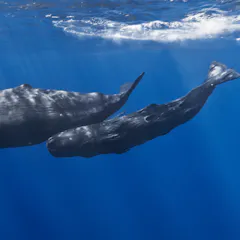
We tend to think of the oceans as quiet, when in fact they’re anything but. Noise is the “forgotten pollutant”, but the good news is that unlike many other pollutants it can be switched off if we try.
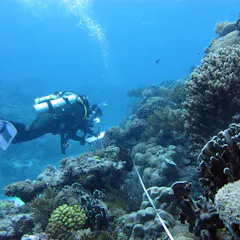
Marine parks need to cover large swathes of ocean, but they also need to cover the right areas if they are to deliver the best conservation. New research off Australia’s northwest suggests how.
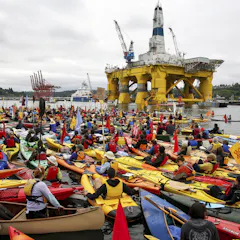
Offshore drilling debates boil down to “Drill, baby, drill” versus “spill, baby, spill.” But economists say the right question is when we know enough to drill safely – and often that means waiting.
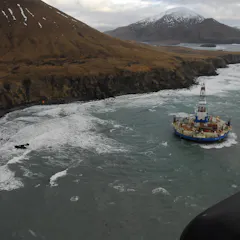
Shell is going back to the Arctic to explore offshore drilling, but the company and the Department of Interior are not using the best practices for avoiding the risk of a spill.
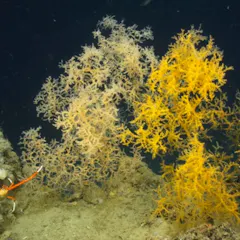
A flock of scientists turned their focus to understand the Deepwater Horizon’s impact, including one team that studied deep-sea corals.
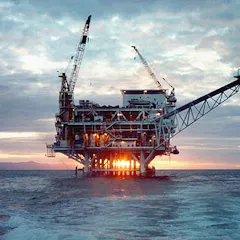
Five years after the Deepwater Horizon oil spill, the Obama administration is looking to expand offshore drilling. Is it any safer today?
Top contributors
-

Emeritus Professor of Sociology, Australian National University
-
Director, Ocean and Coastal Policy Center, Marine Science Institute, University of California, Santa Barbara
-
Research Associate, Curtin University
-
Associate Professor, University of Saskatchewan
-
Associate Professor of Sociology; Co-Founder, Center for Environmental Justice at CSU, Colorado State University
-
Postdoctoral Fellow, University of Saskatchewan
-
Research scientist, Australian Institute of Marine Science
-
Associate Professor, The University of Queensland
-
Lecturer in International Studies, University of Washington
-
Associate Professor of Biology, Penn State
-
Assistant Professor of Petroleum and Natural Gas Engineering, Penn State
-
Vice-President, Academic and Research, University of Prince Edward Island
-
Adjunct Research Fellow, The University of Queensland
-
Senior Lecturer in Physiology, The University of Queensland
-
Professor of Marine Science, University of Maryland Center for Environmental Science