
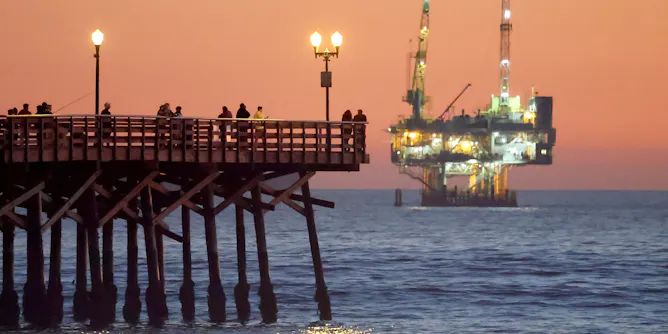
Industry leaders have objected to reversals of long-standing policies, and market forces are moving against the Trump administration’s hopes.
Articles on Offshore oil drilling
Displaying 1 - 20 of 28 articles
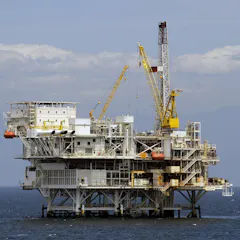
Stopping the expansion of offshore oil and gas extraction is a critical but often overlooked step towards achieving global climate targets and protecting our oceans and planet.
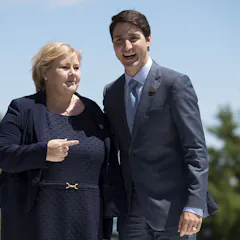
Canada and Norway face epic challenges in weaning themselves from petroleum dependence.

The surprise decision is an important win for many Australians, but reform of Australia’s offshore petroleum laws is urgently required to protect marine environments.
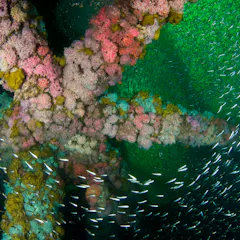
Californians love their coast and strongly oppose offshore drilling. Will they support converting old oil rigs to artificial reefs – a policy that benefits both marine life and oil companies?
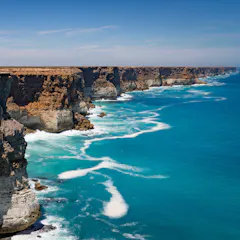
It would take 17 days to respond to an oil spill in the Great Australian Bight. And that’s the best-case scenario.
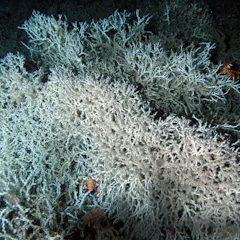
A massive new discovery this summer of miles of corals in deep waters off South Carolina shows how much we have yet to learn about life on the ocean floor.
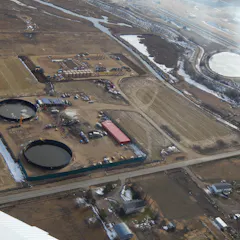
Many Coloradans feel powerless to protect themselves from pollution and other fallout caused by the state’s fracking boom.
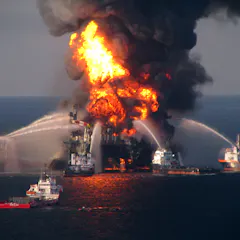
Developments in technology mean that we can use automation to reduce accidents on oil rigs.
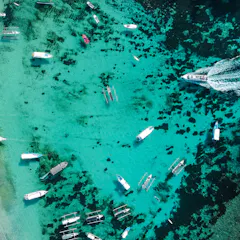
The noise from motor boats, sonar and other industrial activity interferes with the underwater chatter of fishes.
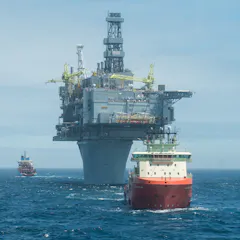
The massive Hebron oil platform off the coast of Newfoundland is an engineering marvel. Here’s how it was constructed.
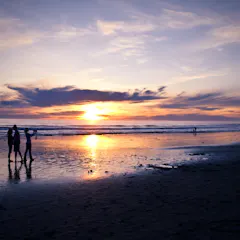
Fifty years after a major oil spill in Santa Barbara helped launch the environmental movement, Californians strongly oppose the Trump administration’s push to expand offshore drilling.
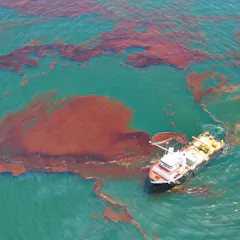
A scientist who served on a national commission to review the 2010 BP oil spill explains why Trump administration efforts to loosen offshore drilling regulation pose major risks for minor payoffs.
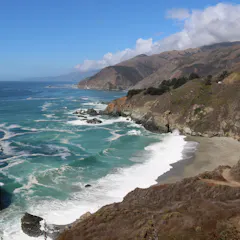
For 50 years California has used laws and policies to manage development along its 1,100-mile coastline and preserve public access to the shore. Climate change will make that task harder.

Humpback whales are deterred from their migration routes by the noise of air guns used to survey the ocean floor for oil and gas deposits, a new study has found.
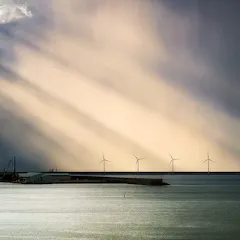
By 2030, the Blue Economy will be worth $3 trillion. And the UK is well placed to capture a slice of this lucrative market, if it meets the challenges involved with innovation and ambition.
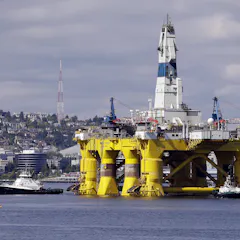
The industry has wanted access to offshore oil for decades, but the Arctic remains challenging. Consumers, meanwhile, seem conflicted on expanded offshore drilling.
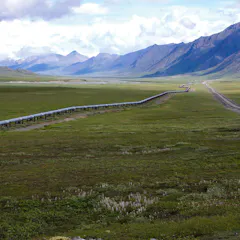
Oil production used to fall when prices were low. But a new drilling boom in Alaska, driven by technical advances and global partnerships, spotlights America’s rise as a world oil power.
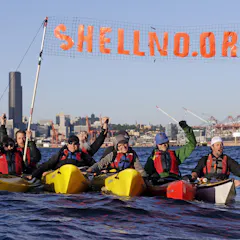
President Obama used an obscure 1953 law to bar offshore drilling in Arctic Alaska and along the Atlantic coast. Republicans and energy companies want to reverse the ban, but it will not be easy.
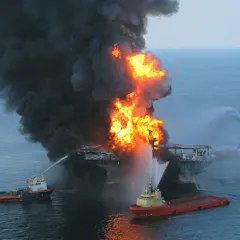
The new movie ‘Deepwater Horizon’ depicts the blowout that triggered the 2010 BP oil spill in the Gulf of Mexico. A professor of petroleum engineering assesses what the film gets right and wrong.
Top contributors
-

Emeritus Professor of Sociology, Australian National University
-
Director, Ocean and Coastal Policy Center, Marine Science Institute, University of California, Santa Barbara
-
Research Associate, Curtin University
-
Associate Professor, University of Saskatchewan
-
Associate Professor of Sociology; Co-Founder, Center for Environmental Justice at CSU, Colorado State University
-
Postdoctoral Fellow, University of Saskatchewan
-
Research scientist, Australian Institute of Marine Science
-
Associate Professor, The University of Queensland
-
Lecturer in International Studies, University of Washington
-
Associate Professor of Biology, Penn State
-
Assistant Professor of Petroleum and Natural Gas Engineering, Penn State
-
Vice-President, Academic and Research, University of Prince Edward Island
-
Adjunct Research Fellow, The University of Queensland
-
Senior Lecturer in Physiology, The University of Queensland
-
Professor of Marine Science, University of Maryland Center for Environmental Science