
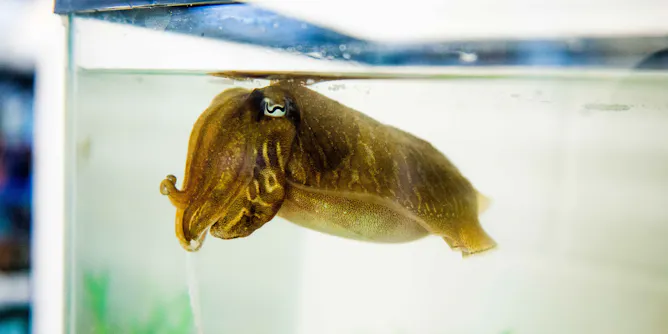
A marine version of the Stanford marshmallow experiment helped show cuttlefish can delay gratification.
Articles on Octopus
Displaying 21 - 40 of 63 articles
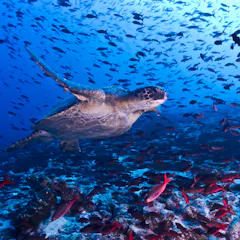
Marine protected areas will be important for achieving the ocean Sustainable Development Goals.
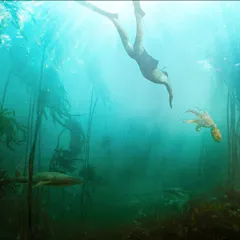
Some scientists say attributing ‘human-like’ qualities to animals is misleading. Others say it’s a great tool for conservation. Either way, the Netflix hit My Octopus Teacher has a positive message.
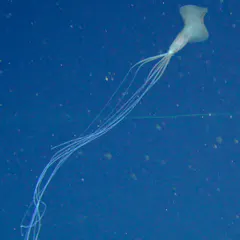
We recorded the largest number of bigfin squids ever seen in one area. Before this, this rather elongated creature had only been spotted a dozen times across the globe.
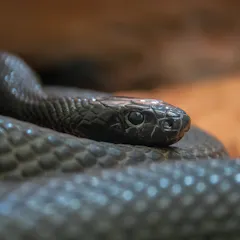
Australia is home to 20 of the 25 most venomous snakes in the world.
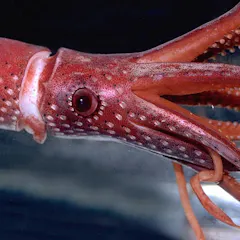
New squid research north of New Zealand nearly doubles the known cephalopod diversity in the Kermadec region, where a proposal to create one of the world’s largest marine reserves has stalled.

In May-August each year, giant Australian cuttlefish gather and mate over a narrow stretch of rocky coastline in South Australia. At their peak you see literally one cuttlefish per square metre.
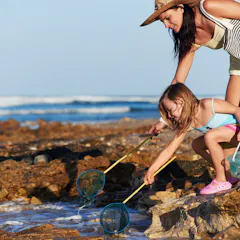
Elusive and mysterious by nature, ordinary people are revealing the secrets of the UK’s octopuses.

Handedness is the tendency to prefer using one hand over the other to perform certain tasks. But how did we get this way?
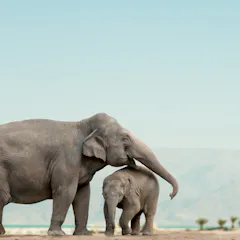
Capuchin monkeys understand fairness, sheep recognise their friends, rats make sacrifices for buddies. Yes, animals are sentient. Here’s the science.
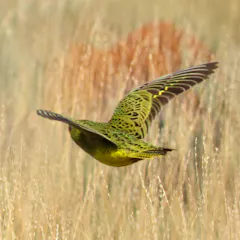
Environment news isn’t all bad, you know. Here are some of 2017’s happier stories, from friendly magpies to rebounding leopards.
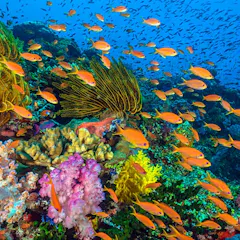
It is estimated that 75% of the world’s coral reefs are already threatened.
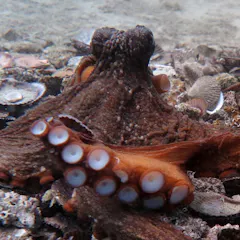
Intentional actions by usually solitary octopuses improve a sandy site, allowing group living in ‘Octlantis’. But the buzz around the site grew quickly, creating some interesting interpretations.
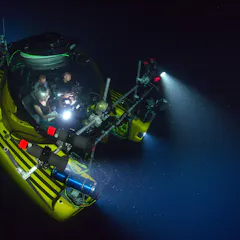
Few fish can survive in these freezing waters, so invertebrates are the dominant predators.
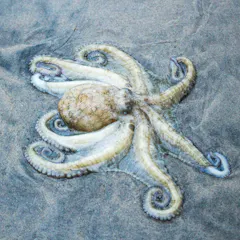
Over 20 cephalopods crawled on to New Quay beach. What was going on?
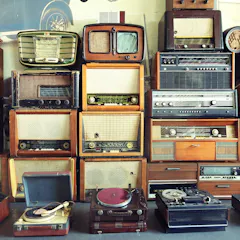
Bootlegs will continue to be manufactured.
The future of the bootleg might just reinvent the official release.
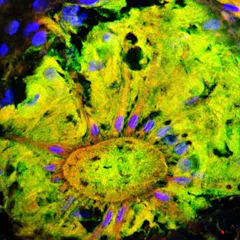
We’re used to thinking of our eyes detecting light as the foundation of our visual system. But what’s going on in other cells throughout the body that can detect light, too?
From shapeshifting octopi to acid-firing beetles.
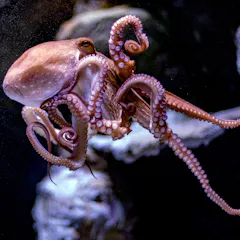
A new study shows cephalopods edit messages from their DNA, allowing them to adapt faster to their environment.
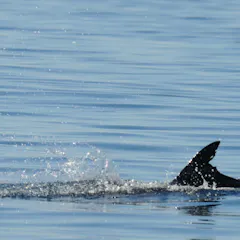
It’s not easy to tackle a live octopus - so many arms, all those suckers! But some bottlenose dolphins have found a way to defuse and eat these eight-armed sea creatures.
Top contributors
-

Research Fellow in Comparative Psychology, University of Cambridge
-
Principal Lecturer in Wildlife Conservation, Nottingham Trent University
-
Lecturer and Researcher in Behavioural ecology and Cephalopod Biology, Anglia Ruskin University
-
Professor, Macquarie University
-
Professor of Science Communication and Chemistry, University of Hull
-
Professor of Philosophy, London School of Economics and Political Science
-
Associate Professor and Marine Ecologist, Adelaide University
-
Professor of Marine Biology and Aquaculture, James Cook University
-
Adjunct Research Associate, Monash University
-
PhD Researcher in marine and behavioural ecology, University of Wollongong
-
Wellcome Trust Research Fellow in Philosophy, University of Oxford
-
Honorary Research Fellow, School of Biological Sciences, University of Aberdeen
-
Toxinologist; Senior Research Fellow, Australian Venom Research Unit, The University of Melbourne
-
Senior Lecturer in Philosophy of Science, University of Sydney
-
Professor of History and Philosophy of Science, University of Sydney