

New research puts cosmic radiation exposure, not nuclear work, at the top of the list for radiation-related cancer deaths.
Articles on Occupational health
Displaying 1 - 20 of 43 articles
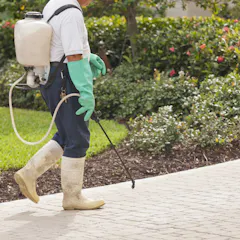
A new review looked at 1,734 people with amyotrophic lateral sclerosis (ALS). But it couldn’t separate pesticide from other risk factors, such as head trauma.

Workers are facing a preventable and incurable lung disease from a material being used to renovate kitchens in millions of American homes.

An unprecedented occupational health study on takeaway delivery workers in France reveals shocking working conditions amid Europe-wide debate on their entitlement to standard employee rights.
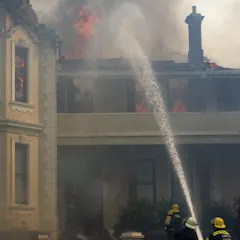
South African universities remain exposed to preventable student risks.

Silicosis is a serious, incurable lung disease caused by inhaling small particles of silica dust.

While scientists still aren’t sure how phosphine wreaks so much havoc on the body, some are developing medications that can help mitigate the harm it causes.

Neurotechnology raises many high-stakes ethical questions. Setting ground rules could help protect workers and ensure that tasks are adapted to the person, rather than the other way around.

A bad night’s sleep on Sunday, the start of a new project and changing weather over the weekend can all affect what happens on site on Mondays.

A new study finds Australian welders are being exposed to high levels of potentially carcinogenic fumes. We must do more to protect them.
Here are some options and what they mean for the health of tradies who cut and install them.

The Fair Work Commission is considering basic rights to work from home. Here’s what the evidence says about the impacts of working from home on physical health and mental wellbeing.

Employers have a duty to address work stressors and make adjustments for workers with long-term illnesses.
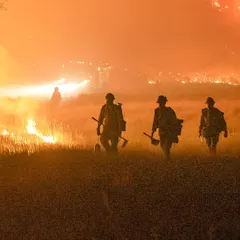
Working a day on the firelines as a wildland firefighter can require the endurance of riding the Tour de France. That takes a toll, as a physiologist explains.
According to international data, almost three times as many people die at work in New Zealand than in the UK, which has a similar risk-management framework for work safety.

Quaternary ammonium compounds, also known as QACs or quats, are commonly used antimicrobials also found in many household products. Soap and water may be a safer bet when cleaning surfaces.

National Day of Mourning should be used to challenge misconceptions about occupational health and safety, and advance safer workplaces for Canadians.
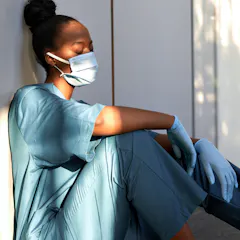
Disturbed sleep can worsen depressive symptoms of health care workers whose jobs come with high levels of emotional labor and work-family conflict.
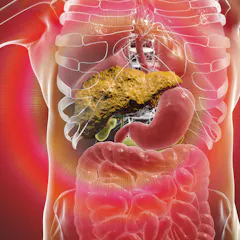
Vinyl chloride dilutes fairly quickly in outside air and water. One concern for lingering exposure from the derailment involves private wells.

Vendors are continuously exposed to outdoor air pollution from traffic or automotive emissions and cooking fuels such as gas and open fires.
Top contributors
-

Senior Research Fellow, School of Population Health, Curtin University
-
Clinical Professor of Medicine, University of California, San Francisco
-
PhD in public health, Tshwane University of Technology
-
Howard Walter Mielke is a Friend of The Conversation.
Adjunct professor, retired, Tulane University
-
Research Professor and Director of the Behaviour-Brain-Body Research Centre, Adelaide University
-
Respiratory, sleep and general physician and conjoint lecturer in medicine, University of Newcastle
-
Associate professor of Occupational Medicine, West Virginia University
-
Professor in Psychology, University of Surrey
-
Vice Chancellors Postdoctoral Fellow, RMIT University
-
Research Fellow, Sleep & Chronobiology Laboratory, Behaviour-Brain-Body Research Centre, Adelaide University
-
Senior Lecturer in Public Health, Macquarie University
-
Professor of Public Health, Anglia Ruskin University
-
Associate Professor of Occupational Medicine, West Virginia University
-
Professor of Economics and Political Economy, University of Leeds
-
Professor of Sport, Health and Social Sciences, Brunel University of London