

Some people with obsessive-compulsive disorder have experienced traumatic events as children, and develop a deeply held fear of who they are or might become.
Articles on Obsessive-compulsive disorder
Displaying 1 - 20 of 24 articles

Researchers examined the DNA of over 53,000 people with OCD and over 2 million people without OCD, gathering data that could one day improve treatment.

Skin picking shouldn’t be dismissed as merely a bad habit. It’s a disorder that can have serious –even fatal – consequences.

People with OCD have a 31% increased risk of death from natural causes and a 230% increased risk of death from unnatural causes compared to those without the disorder.
Research decisions made by clinical psychologists in the 1970s can help explain why so many people, myself included, struggle to make sense of our obsessional thoughts.
Completely new forms of drugs may soon be available to treat obsessive-compulsive disorder.

People can be reluctant to discuss symptoms with their doctor. When they do, their symptoms can be mistaken for other illnesses. Even when people are diagnosed, they don’t always get the right treatment.

About a quarter of those with body dysmorphic disorder attempt suicide or struggle with ideas of suicide. Fortunately, medication and therapy have proved highly effective at treating the disorder.

The early research suggests the drugs might be effective for some conditions. But scientists have safety concerns.
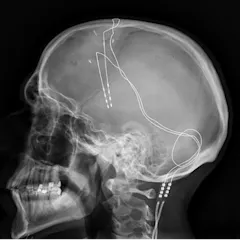
Deep brain stimulation and trasncranial magnetic stimulation treat mental illness by sending electrical currents into parts of the brain. Every new patient provides researchers with a wealth of information. Listen to The Conversation Weekly podcast.

This rare procedure is offered by only a handful of centers in the US and around the world and should be used only when less invasive treatment options for OCD have been tried.

Early reports suggested an apparent increase in OCD relapse rates and symptom severity during the pandemic. But a year on, we’re learning this may not be the case.

Physical hoarding has been studied for decades - but now, new forms of digital hoarding are emerging.

Behaviors that would have been seen as pathological a few months ago are now applauded as adaptive and resourceful. Where do doctors draw the line?

Particularly for people with social anxiety, the prospect of reconnecting with the outside world could be daunting. But there are things you can do to make the transition a little easier.

Exercise addiction describes an obsessive or compulsive need to exercise – even when you’re injured.

Technology could be a promising alternative to traditional therapy.

We manage our fear of death by creating a sense of permanence and meaning in life. But for some people, death anxiety results in pathological coping mechanisms, such as being afraid of spiders.

While the global health community has made mental healthcare a priority, South Africa is not following suite. The impact is felt most acutely by poor people suffering from mental health disorders.

Saying you’re ‘a little bit OCD’ isn’t helpful, but neither is denying the experiences we share.
Top contributors
-

Professor of Clinical Neuropsychology, University of Cambridge
-
Professor of Psychiatry, University of Colorado Anschutz
-
Lecturer in Psychology, University of Winchester
-
Postdoctoral research fellow, School of Psychology, University of Sydney
-
Researcher at the Centre for Health Systems Research & Development, University of the Free State
-
PhD researcher in Neuroscience, University of Sheffield
-
Lecturer and Researcher, Department of Genetics; & SU/ UCT MRC Unit on Risk and Resilience in Mental Disorders, Stellenbosch University
-
Research Associate, University of Sheffield
-
Honorary Associate at Department of Psychology, Macquarie University and Research Fellow, University of Sydney
-
Professor of Clinical Psychology & Director, Brain & Psychological Sciences Research Centre, Swinburne University of Technology
-
Postdoctoral fellow, The University of Queensland
-
Associate Professor, School of Medicine and Psychology, Australian National University
-
Head of Genes Environment and Behaviour Laboratory, Florey Institute of Neuroscience and Mental Health
-
Associate Professor in Psychology, and Director of the Hoarding Research Group, Northumbria University, Newcastle
-
Professor of Psychology, Goldsmiths, University of London