
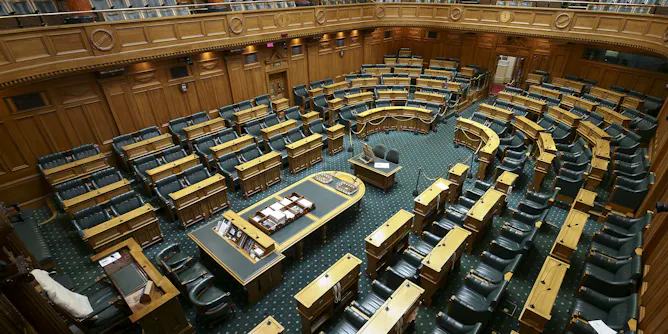
With two days of the campaign left, what had earlier seemed like a relatively predictable election has narrowed considerably, with several variables potentially influencing the outcome.
Articles on NZ Election 2023
Displaying 21 - 40 of 63 articles

Politics is about appearances as much as policy. But it’s possible to make an informed judgment about political leaders, if we know what to look for.

Most parties are promising more funding for the government drug-buying agency. But two likely coalition partners are suggesting a new – and possibly risky – approach to medicines procurement.
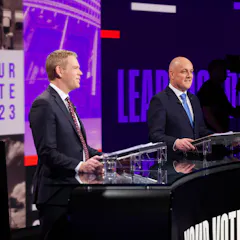
The final days of the campaign have seen both major parties warn of instability if the other wins. But behind the jockeying for power, other forces are shaping the future of New Zealand politics.
Personal bias, upbringing and even popular dramas can influence the way we evaluate political leadership. As election day nears, how might we make more balanced judgments?
Policies and funds to decarbonise high-emitting industries and electrify transport are already delivering emissions cuts. But they are at risk of being disestablished or weakened.
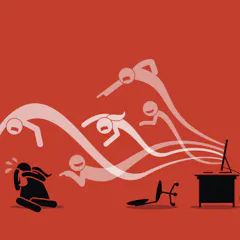
Ugly incidents in the run-up to the election mirror the rise of online violence against women in politics. The next government needs a plan to tackle the problem before it’s too late.
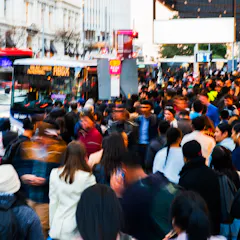
With immigration soaring, warnings about its impact on population distribution, housing and business innovation have gone largely undiscussed during the election campaign.

AI technologies have been left largely unregulated in New Zealand – and barely discussed during the election campaign. The country needs a clear plan for the brave new digital world.
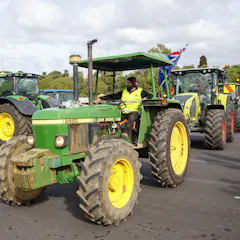
Farmers once held immense power in New Zealand, and the National Party was their natural home. But the old order has been under threat for some time, with this election making the fault lines clear.
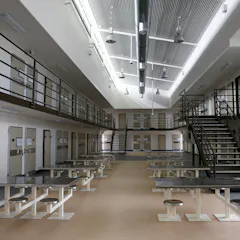
A shift towards more punitive responses to youth crime by the next government could reverse the progress New Zealand has made in reducing offending and addressing its root causes.
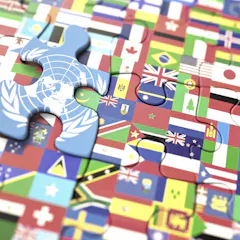
From the war in Ukraine and China’s role in the Pacific, to multi-billion-dollar military decisions, New Zealand will face huge challenges during the next term of government.
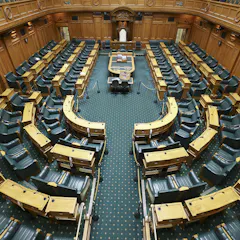
The latest political opinion polls confirm the rightward trend since mid-year. But with NZ First on the rise, the shape of the next government remains unpredictable.

People on benefits are borrowing from the government to pay for essentials like power bills and car repairs. But repayments leave them with even less than before.
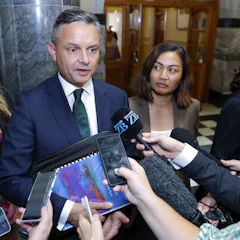
New Zealand’s Greens have undoubtedly succeeded in some policy areas, including climate and housing quality. But the party continues to battle internal tensions between idealism and pragmatism.
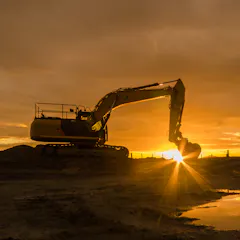
Under the new Natural and Built Environments Act, it will take ten years to phase out the old Resource Management Act. Parties promising reform will likely end up presiding over the status quo.
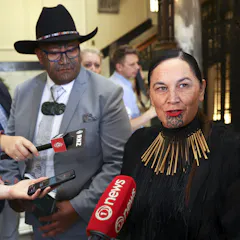
Te Pāti Māori was born out of protest. After almost two decades, the party is carving out a political presence beyond its traditional base of support.

Despite its importance, water management has been largely absent from the election campaign. But using trading markets to improve freshwater quality in smaller catchments deserves wider debate.
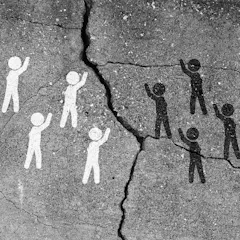
Arguments against including Indigenous cultural perspectives and experiences in public policy have spilled over into prejudice and racism on both sides of the Tasman. That harms democracy.
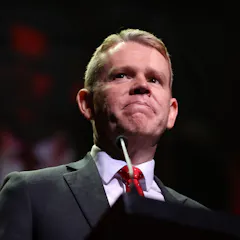
The election campaign’s first live TV debate offered a glimpse of the leadership challenge faced by Labour’s Chris Hipkins – to connect with voter’s values and interests, not just their current mood.
Top contributors
-

Professor of Politics, Te Kunenga ki Pūrehuroa – Massey University
-
Election Analyst (Psephologist) at The Conversation; and Honorary Associate, School of Mathematics and Statistics, The University of Melbourne
-
Research Associate, Public Policy Institute, University of Auckland, Waipapa Taumata Rau
-
Associate Professor, School of Management and Marketing Te Kahui Kahurangi, Te Kunenga ki Pūrehuroa – Massey University
-
Senior Lecturer in Comparative Politics, Te Herenga Waka — Victoria University of Wellington
-
Professor of Taxation, Te Herenga Waka — Victoria University of Wellington
-
Adjunct Professor, Stout Research Centre, Victoria University of Wellington and Auckland University of Technology, Professor of Political Science, Charles Sturt University
-
Senior Lecturer in Urban Planning, University of Auckland, Waipapa Taumata Rau
-
Professor of Law, University of Waikato
-
Associate Professor in Media and Communication, Te Herenga Waka — Victoria University of Wellington
-
Lecturer in Māori Studies, Te Herenga Waka — Victoria University of Wellington
-
Research Associate, Institute for Governance and Policy Studies, Te Herenga Waka — Victoria University of Wellington
-
Professor of Law, Auckland University of Technology
-
Senior Lecturer in Law, University of Canterbury
-
Professor in Applied Mathematics, Te Kunenga ki Pūrehuroa – Massey University