

Labour’s 2021 property tax changes were meant to lower the cost of housing. But without a proper capital gains tax it only hurt investors and renters, and made the tax system overall less coherent.
Articles on NZ ACT Party
Displaying 21 - 40 of 46 articles

The country’s first formal three-party coalition will test Christopher Luxon’s promise of ‘strong and stable’ government – and the minor parties’ patience if things don’t go their way.
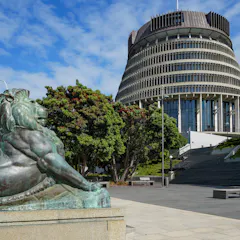
While Māori have seen a steady increase in representation in parliament since the beginning of MMP, other ethnic minorities have experienced uneven growth. The new parliament will see a step back.
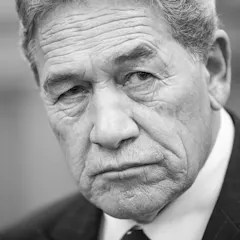
National and ACT will need to get past their animosity towards NZ First, and its mercurial leader Winston Peters, if the right wing coalition is to have any hope of forming a government.
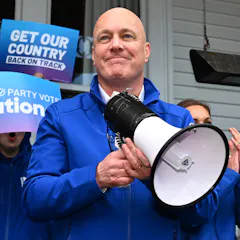
Ahead of Friday’s final election results, the most likely outcome is National and ACT will need to add NZ First to form a right-wing coalition government. These are the results and seats to watch.
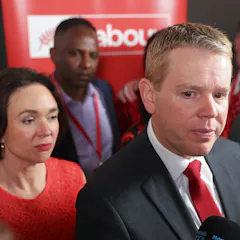
The final outcome of the general election may not be known for two weeks. But one thing is clear: the country has resoundingly rejected the government that led it through the pandemic.
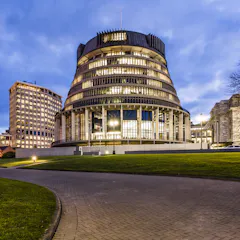
With final results awaiting the inclusion of special votes, the shape of New Zealand’s next parliament hangs in the balance. Here are the variables in play.
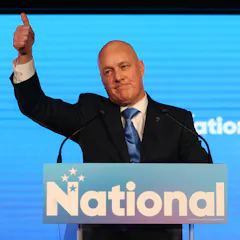
New Zealand has swung decisively back to the right at the 2023 general election. With official results pending, it seems National and ACT can still form a government without the help of NZ First.
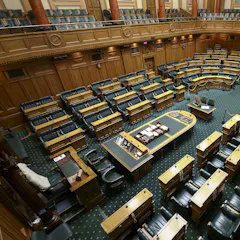
With two days of the campaign left, what had earlier seemed like a relatively predictable election has narrowed considerably, with several variables potentially influencing the outcome.
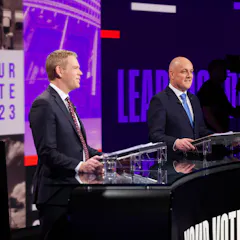
The final days of the campaign have seen both major parties warn of instability if the other wins. But behind the jockeying for power, other forces are shaping the future of New Zealand politics.

Farmers once held immense power in New Zealand, and the National Party was their natural home. But the old order has been under threat for some time, with this election making the fault lines clear.
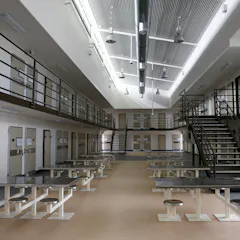
A shift towards more punitive responses to youth crime by the next government could reverse the progress New Zealand has made in reducing offending and addressing its root causes.

Under the new Natural and Built Environments Act, it will take ten years to phase out the old Resource Management Act. Parties promising reform will likely end up presiding over the status quo.
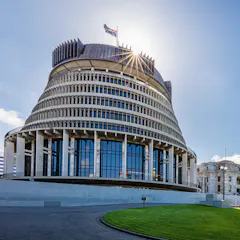
New Zealand’s proportional electoral system makes coalition governments all but inevitable. Ahead of the October 14 election, the jockeying for power is all on the right.
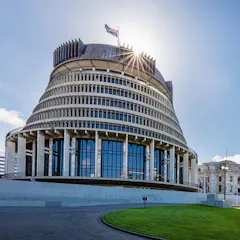
The Conversation’s poll-watcher breaks down the party support trend since March – which has all been surging one way, despite some variation between pollsters.
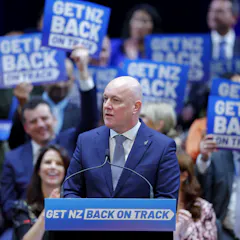
The landscape on the right of New Zealand politics is changing. If Christopher Luxon leads National to victory, his first test will be dealing with several potentially difficult coalition partners.
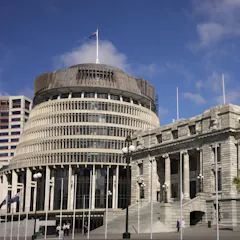
A referendum on changing New Zealand’s parliamentary term to four years would be the third such exercise in under 60 years. Why would the outcome be any different this time?
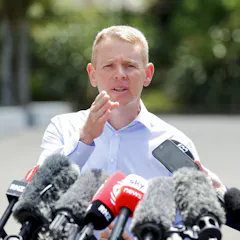
An outbreak of ‘Chris-mania’ seems unlikely, but maybe taking personality and heat out of the mix will benefit Labour in election year.

David Seymour says misinterpretation of the Treaty risks creating an ‘ethno-state’. But ‘Critical Tiriti Analysis’ aims to enhance democracy by ensuring a Māori voice at the heart of policy making.
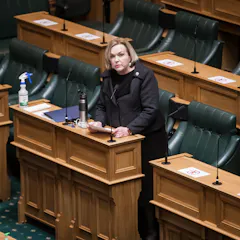
Representative democracies require functional governments but they also need strong oppositions. At the moment, New Zealand has one of these things but not the other.
Top contributors
-

Professor of Politics, Te Kunenga ki Pūrehuroa – Massey University
-
Election Analyst (Psephologist) at The Conversation; and Honorary Associate, School of Mathematics and Statistics, The University of Melbourne
-
Research Associate, Public Policy Institute, University of Auckland, Waipapa Taumata Rau
-
Professor of Political Science, Te Herenga Waka — Victoria University of Wellington
-
Emeritus Professor of Law, University of Auckland, Waipapa Taumata Rau
-
Adjunct Professor, Stout Research Centre, Victoria University of Wellington and Auckland University of Technology, Professor of Political Science, Charles Sturt University
-
Honorary Adjunct Professor, Te Kawa a Māui - School of Māori Studies, Te Herenga Waka — Victoria University of Wellington
-
Professor of Politics and Policy, University of Auckland, Waipapa Taumata Rau
-
Honorary Research Associate, School of Built Environment, Te Kunenga ki Pūrehuroa – Massey University
-
Professor of Law, University of Waikato
-
PhD Candidate, Department of Political Science and International Relations, University of Canterbury
-
Adjunct professor, Te Herenga Waka — Victoria University of Wellington
-
Professor of Sociology, Gender Studies and Criminology, University of Otago
-
Professor of Race Relations, Health and Wellbeing, Te Kunenga ki Pūrehuroa – Massey University
-
Associate Professor of Political Science, University of Waikato