

A study shows the COVID-19 pandemic has made Canadians fear sub-standard and dangerous living conditions in nursing homes. They want home care, and tax policies that will support it.
Articles on Nursing homes
Displaying 21 - 40 of 82 articles

There are around 50 sexual assaults in Australian aged care homes every week. But staff are expected to assess the severity and impact of incidents without training.
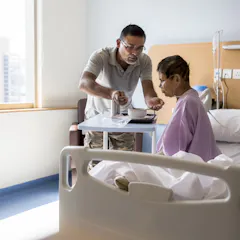
Some older patients forego the food provided at their health care facility because it isn’t aligned with their religious and cultural preferences.
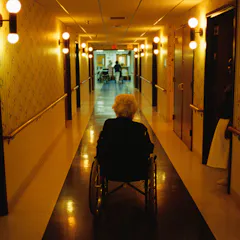
COVID-19 hit long-term care facilities hard. Addressing the trauma that residents and staff endured is key to regaining trust in a space that may no longer feel safe.
Examining the records of 2,900 nursing homes we’ve found no evidence that where there’s more competition there’s better care or lower prices.

Women often feel stuck caring for others. We must consider how we can learn from them and from care scholars about what needs to change.
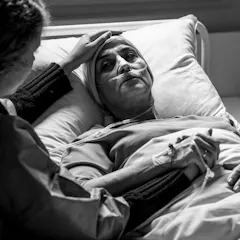
Evidence suggests messages the patient thought to be crystal clear often appear unclear to doctors and family.
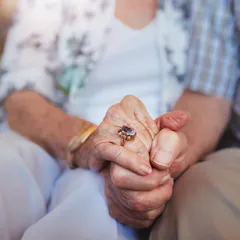
In the absence of guidelines or training regarding sexual expression in long-term care homes, most staff are ‘just winging it’ on potentially sensitive issues.
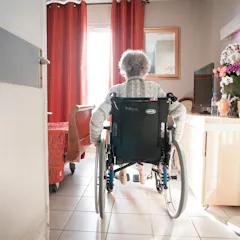
Nursing homes have struggled through COVID-19 deaths and lockdowns. Giving nurses more quality time with patients can help them win back trust.
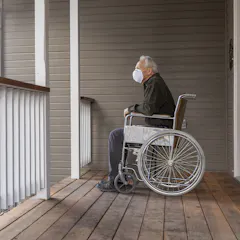
A neuropsychologist who works in these skilled care facilities describes the changing populations. With COVID-19, many nursing homes are now struggling to stay in business.
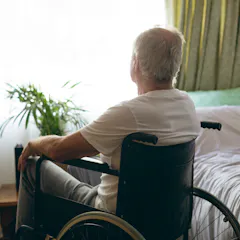
Disappointingly, however, this report gives the government room to pick and choose recommendations as the cabinet likes.
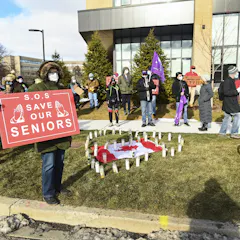
Canadians are living longer, but are they living well? The challenges to aging well go beyond the problems in long-term care. Substantial change to Canada’s support service systems is long overdue.

In September, production of rapid tests really ramped up in the US. But due to low accuracy and massive numbers needed, these tests alone are unlikely to have much of an effect on the pandemic.

Over one-third of America’s COVID-19 deaths have been nursing home residents. Employee policies, particularly for low-paid aides, have sharply raised the risk.
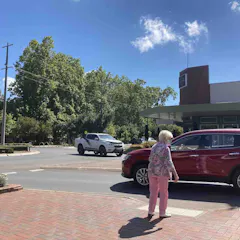
If Australia created more age-friendly neighbourhoods — which really are more liveable for everyone — then we wouldn’t have to rely so heavily on underfunded, substandard aged-care homes.

The aged care royal commission’s recent report on COVID-19 recommended accredited infection prevention and control experts be sent into residential aged care. Here’s what that means.

The aged care royal commission has released its special report into COVID-19. But the recommendations generally fall short, and come too late.

Most aged care homes are designed to be naturally ventilated. But when windows are closed to keep out the cold, poor ventilation appears to be common – and that’s a problem for infection control.
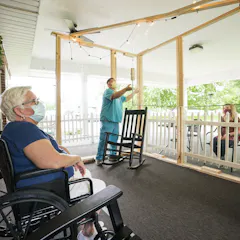
A new approach is making a big difference in Virginia.

Medical assistance teams are a group of experienced health workers sent to handle a medical or humanitarian crisis, including from today, the growing number of COVID-19 cases in Victoria’s aged care.
Top contributors
-

Professor, Aged Care Medical Research Australian Centre for Evidence Based Aged Care, La Trobe University
-
Professor Emeritus of Social Behavioral Sciences, University of California, San Francisco
-
Professor, Director Florida Policy Exchange Center on Aging, University of South Florida
-
Assistant Professor, Department of Finance, HEC Montréal
-
Research director (CNRS), Toulouse School of Economics – École d'Économie de Toulouse
-
Assistant Professor, Economics, Carleton University
-
Research fellow, Monash University
-
Research Assistant, Monash University
-
Associate Professor, Monash University
-
Professor of Nursing Aged Care (Dementia), University of Technology Sydney
-
Investigative Journalist, The Conversation
-
Professeure titulaire en Sciences Economiques, Université du Québec à Montréal (UQAM)
-
Assistant Professor, Economics, University of Groningen
-
Instructor, School of Aging Studies, University of South Florida
-
Distinguished Research Professor of Sociology, York University, Canada