
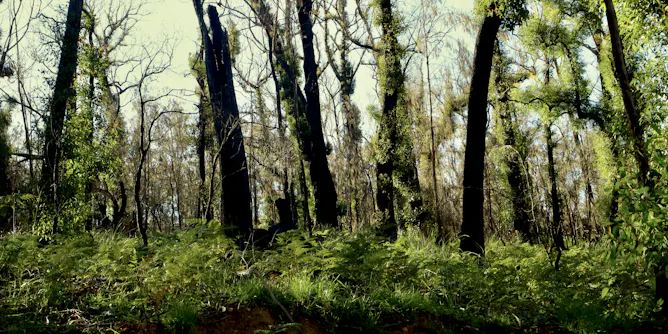
Researchers have collated measurements made by satellites, field sensors and people, to get a picture of the nature’s recovery while we’ve been in lockdown.
Articles on NSW drought
Displaying 1 - 20 of 24 articles
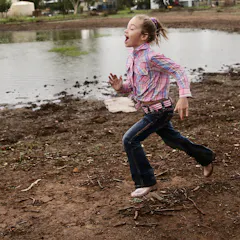
Downpours in eastern Australia this year have been good for crops and some dams. But when it comes to drought, Australia is not out of the woods yet.

Australia is heading into a scorching summer, but the factors causing the hot and dry weather are expected to ease later in the season.
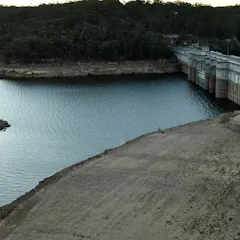
Australia’s capital cities have collectively lost 30% of their stored water over the last six years. But this loss is not evenly distributed across the country.
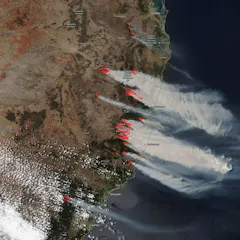
They escaped to the coast for the quiet life, but now sea-changers are in the path of monster fires.
Drought has both natural and human causes, but deep cuts in our greenhouse gas emissions are urgently needed, regardless.
Once water is used in washing, cleaning or even sewerage it can be safely and reliably treated. The treated water is then safe to drink – identical to the original water.
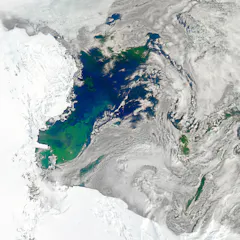
Each spring, winds circling the South Pole weaken. If they weaken enough, they can actually reverse – causing rapid warming.
Dry and warm conditions in winter are set to continue into spring, and the likely culprit is the positive Indian Ocean Dipole
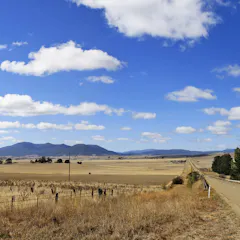
Hitting the Paris targets will go a long way to securing Melbourne’s water supply against future pressure.

Irrigators get too much water from the Barwon-Darling even when river levels are critically low, according to a NSW government review.

Many rural town water supplies cannot weather even a single year of drought. This is a failure of planning and funding on a grand scale.
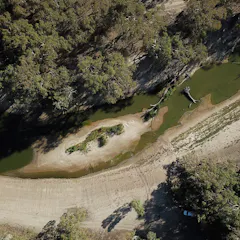
A federal program to help the Murray-Darling environment accidentally lowered water levels – but not as much as previous reports had feared.

A decade of bipartisan research has provided plenty of answers to the problems plaguing the Darling River.
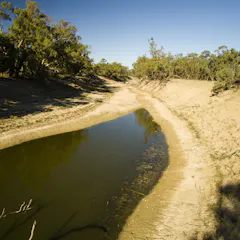
Mass fish deaths are a blaring warning sign for the heath of the Murray Darling Basin, but just as worrying is the sight of dry areas in the Darling.
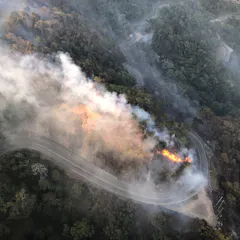
2018 was Australia’s third warmest year on record, as the NSW drought dragged into another year.
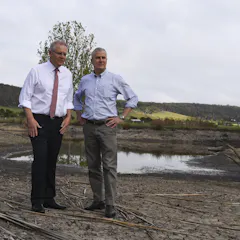
The farming system, lauded as a solution to drought, involves slowing water flow in streams using ‘leaky weirs’.
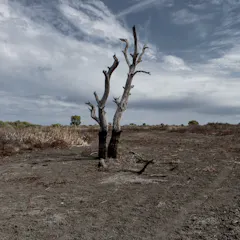
Beyond trucking in hay and water, drought-stricken farmers need money and advice on improving the natural features of their land.

Adapting to climate change means improving soil health, so it can hold more water (even during droughts).
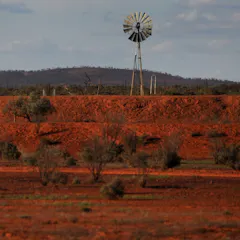
After the warmest month on record, it looks like Australia will have an El Niño event – which means the drought is likely to continue.
Top contributors
-

Adjunct Professor (Practice) in the School of Earth, Atmosphere and Environment, Monash University
-
Senior Climatologist, Australian Bureau of Meteorology
-
Lecturer, School of Agriculture, Food and Ecosystem Sciences, The University of Melbourne
-
ARC Future Fellow and Associate Professor in Climate Science, ARC Centre of Excellence for 21st Century Weather, The University of Melbourne
-
ARC DECRA Fellow, Climate Change Research Centre, UNSW
-
Professor, The University of Melbourne
-
Professor, Research School of Earth Sciences and Chief Investigator in the ARC Centre of Excellence for Climate Extremes, Australian National University
-
Climatologist, Australian Bureau of Meteorology
-
Honorary Professor Hydrology and Water Resources, The University of Melbourne
-
Senior lecturer, The University of Melbourne
-
Climatologist, Australian Bureau of Meteorology
-
Senior Climatologist, Australian Bureau of Meteorology
-
Climate Scientist, Australian Bureau of Meteorology
-
Professor in Geography, The University of Melbourne
-
Professor, Australian Rivers Institute, Griffith University