
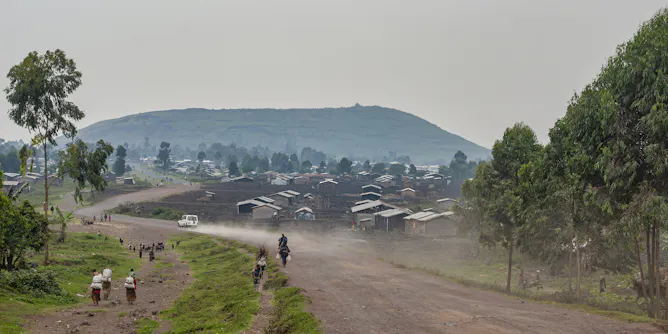
The Ebola outbreak in the DRC has the potential to become huge and of long duration.
Articles on North Kivu
Displaying all articles

In eastern DRC, a hydropower mini-grid shows how access to electricity happens through public-private partnerships and community programmes.
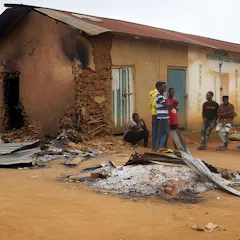
Violence against civilians is a strategy to create fear among the locals in order to smooth forced recruitment.
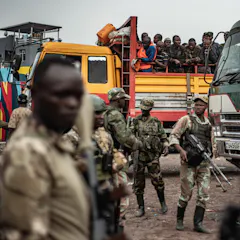
Current initiatives to bring peace in eastern DRC have been ineffective as they are routinely violated.
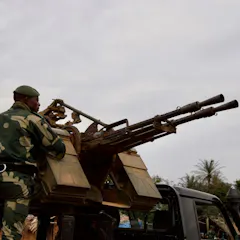
Uganda’s interest in natural resources during the second Congo war has had a lasting impact on how it’s perceived in the DRC.
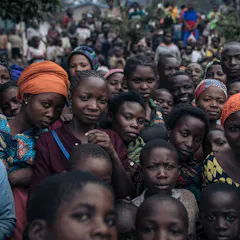
The lead protagonists, Congolese president Felix Tshisekedi and his Rwandan counterpart Paul Kagame, seem unwilling to reconcile. Personal mediation is required.
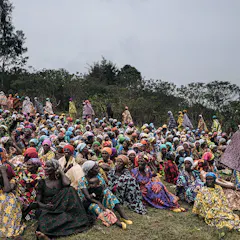
Rwanda shapes conflict in the region by using the Congolese Tutsi to centre its claims of a continued threat of genocide.
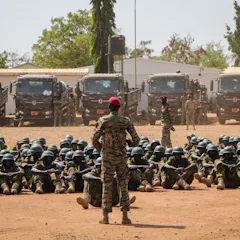
The causes of violence in the DRC are complex. Narrowing them down to the single lens of ethnicity can be misleading.

A comprehensive strategy does not seem to be an immediate priority for Congolese authorities with an eye on elections.
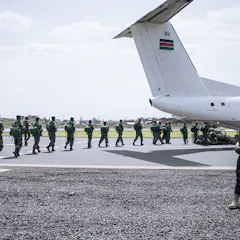
Insecurity, especially in the DRC’s South Kivu, is considered a serious threat by Burundi’s army.
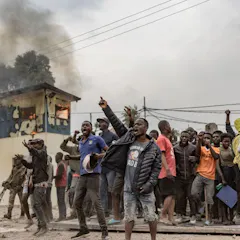
The UN mission is being held responsible for something the Congolese state should be doing.
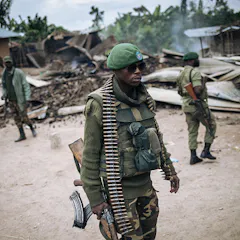
Violence in the DRC can be brought to an end if the geographical scope of the conflict is broadened to include all neighbouring countries.
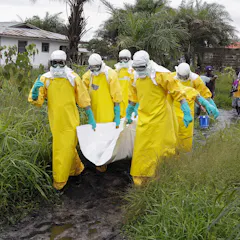
Four new Ebola treatments are being tried out in the DRC.
Top contributors
-

Visiting Researcher, University of Leeds
-
Research Affiliate, University of Pretoria
-
Professor in the faculty of Medicine, Mbarara University of Science and Technology
-
Professor of Microbiology, Faculty of Medicine, University of Kinshasa
-
Associate Professor in the Department of Political Sciences and Director of the Centre for Mediation in Africa, University of Pretoria
-
Professor of Microbiology, Faculty of Medicine, University of Kinshasa
-
Lecturer in Political Science, Binghamton University, State University of New York
-
Professor of International and Diplomacy Studies, Thabo Mbeki African School of Public and International Affairs, University of South Africa
-
Honorary Associate Professor, College of Arts and Social Sciences, University of Rwanda
-
Professor in International Development, University of Antwerp
-
Professor of International Relations, Norwegian University of Life Sciences
-
Chercheur, Université de Montpellier
-
Senior researcher, University of Antwerp
-
Researcher, University of Antwerp
-
Associate Professor, University of Antwerp