
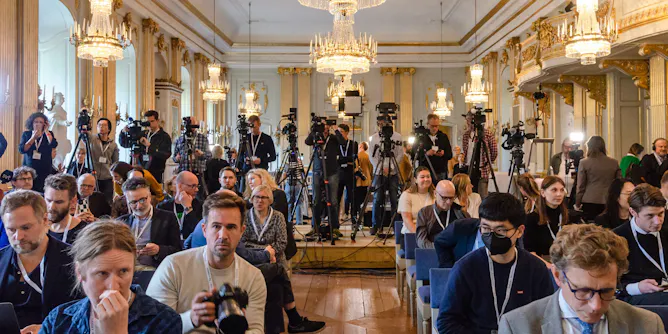
As readers turn their eyes to nominees for both Canada’s Giller Prize and the Nobel Prize in literature, how does Canadian literary recognition translate into international standing?
Articles on Nobel Prize in Literature
Displaying all articles
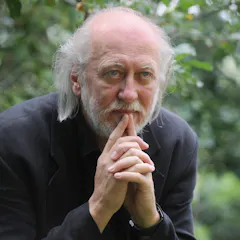
It took over a decade for the Hungarian novelist to be recognised in English-speaking countries.
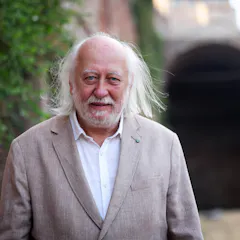
Krasznahorkai’s language is the mad scream of a godless universe at our inexcusable squandering of every good thing given to us by chance.
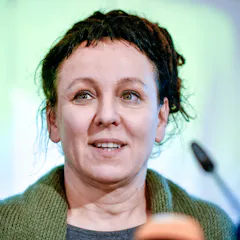
The Empusium is a deft new take on the novel of ideas and convalescence.
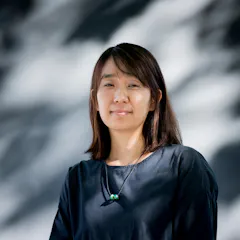
Han Kang’s poetry and short stories are just as innovative and important as her novels.
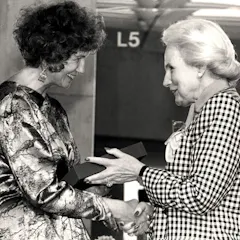
An essay by Alice Munro’s daughter about childhood sexual abuse has forced a reckoning with the legacy of the feminist icon and writer acclaimed for her ability to give voice to women’s lives.
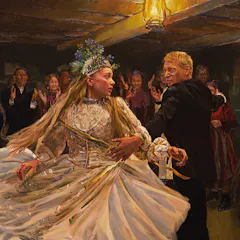
The powerful beauty of The Peasants comes from the setting of the film against famous Polish and European paintings.
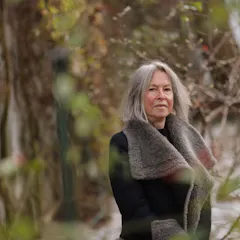
A celebrated poet and Nobel laureate, Louise Glück wrote about mortality, broken families and human frailty with devastating wryness and quiet beauty.
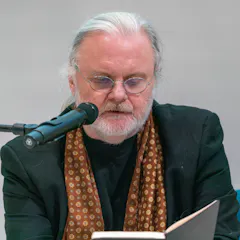
The prize has gone to a Norwegian playwright and novelist whose work examines the lives of ordinary people on the outer reaches of society.

The aura of a major literary prize will inevitably fade. What we are left with is the work itself.
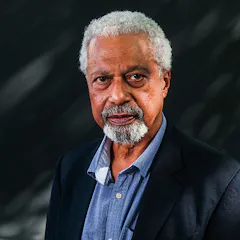
The power in Gurnah’s writing lies in his ability to complicate the Manichean divisions of enemies and friends.
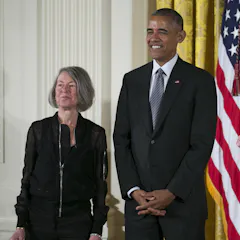
The Nobel committee hailed her “unmistakable poetic voice that with austere beauty makes individual existence universal”.
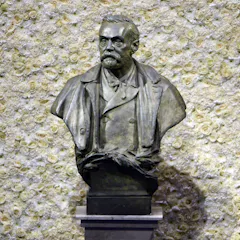
The long and turbulent history of the Nobel Prize for Literature continues.
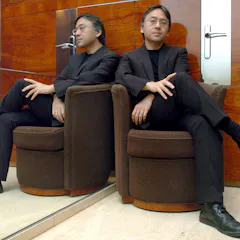
The prize committee has opted for a more traditional laureate this year, nominating a traditional novelist after last year’s controversial choice of Bob Dylan.
Top contributors
-

Professor at Division of History of Ideas and Sciences, Lund University
-
Professor of Creative Writing and Modern Literature, University of Manchester
-
Senior Lecturer & Associate Professor in Theatre Studies, Department of Culture & Aesthetics, Stockholm University
-
Associate Professor in Polish Literature and Culture, UCL
-
Sessional teacher and PhD Candidate, Literary Studies, Monash University
-
Senior Lecturer, Department of English, Manchester Metropolitan University
-
Associate Professor of Writing, USC Dornsife College of Letters, Arts and Sciences
-
Adjunct Professor, Richmond American International University
-
Professor, Gender and Sexuality Studies, University of Calgary
-
Associate Professor of Postcolonial and Global Literatures, Nottingham Trent University
-
Professor of Creative Writing, University of Technology Sydney
-
Jury Professor of English and Language and Literature, Adelaide University
-
Senior Lecturer, Political & International Studies, University of Glasgow
-
Professor, Canadian and Cultural Studies, Stockholm University