

In the first study of its kind, researchers matched more than 1,500 Sydney house sales with data on nearly 50,000 public trees. They found location is crucial.
Articles on NIMBYism
Displaying all articles
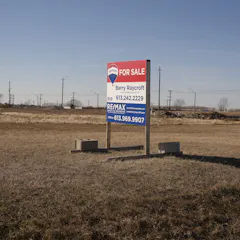
By embracing local investment and governmental support, we can foster communities that are not only economically robust but also socially connected and supportive.
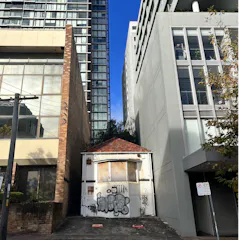
Healthy planning debates shape our cities for the better and should not exclude anyone based on crude characterisations of their motives.
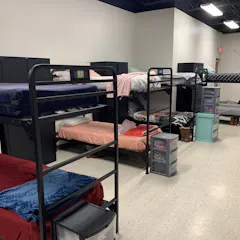
A Philadelphia neighborhood is pushing back against the city’s plan to expand an existing shelter to serve people in active addiction.

Inner-city resistance to higher-density housing has diverted most of Sydney’s population growth, driven largely by non-white migrants, to the outer suburbs. The result is a racially divided city.
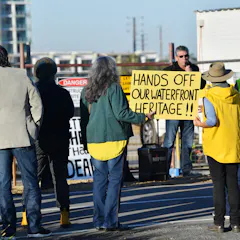
YIMBYs and NIMBYs agree on one thing – they both want to live in desirable heritage neighbourhoods. And despite heritage being blamed for lack of new housing in these areas, it’s not the real issue.
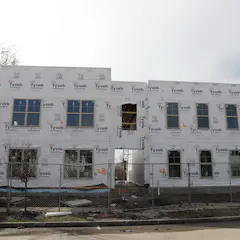
The concentration of subsidized low-income housing developments isn’t as bad as residents fear: It actually increases property values – at a faster rate than other neighborhoods.

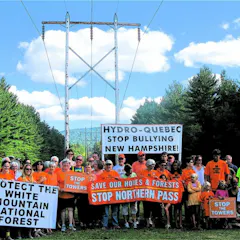
Most Americans support clean energy in principle, but what will they do when wind turbines or high-voltage transmission lines come to town?

Despite Boris Johnson’s newfound enthusiasm for offshore wind farms, the UK risks going backwards on wind power capacity.
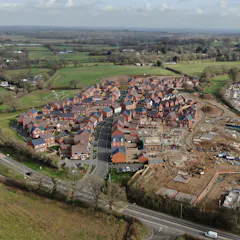
We found that planners, councillors and local communities felt local opposition made little difference to decisions about housebuilding.
Speaking with: Cameron McAuliffe on NIMBYs, urban planning and making community consultation work
Dallas Rogers speaks with Western Sydney University's Cameron McAuliffe about leveraging conflict and informal processes in the urban planning process.
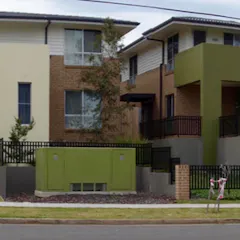
Do affordable housing projects drive down property values? Does neighbours’ quality of life suffer? Case studies in Brisbane and Sydney suggest such fears aren’t justified.
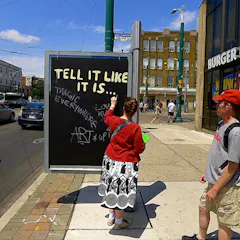
In Australia, a small but growing cadre of residents is experimenting with hacktivism in planning. Giving a voice to real people living in everyday places can help ensure planning meets public needs.

Cities are home to many different people who will not always agree. We need to learn to embrace public debate as an ongoing, constructive process for working through diverse views and values.
Foundation essay: This article is part of a series marking the launch of The Conversation in the US. Our foundation essays are longer than our usual comment and analysis articles and take a wider look…
Top contributors
-

Head of Urbanism and Associate Professor of Urban Studies, School of Architecture, Design and Planning, University of Sydney
-
Professor of the History of Science, Harvard University
-
Lecturer in City Planning and Design, UNSW
-
Associate Professor of Urban Planning, The University of Melbourne
-
Senior Lecturer, Discipline of Geography and Sustainability, School of Health and Society, University of Wollongong
-
Professor in Urban Geography, Macquarie University
-
Senior Lecturer, School of Engineering and Built Environment, Griffith University
-
Professor of Human Geography and Planning, University of Tasmania
-
Professor of Urban Planning, Western Sydney University
-
Senior Lecturer in Human Geography and Urban Studies, Western Sydney University
-
Professor, Department of Marketing and Consumer Studies, University of Guelph
-
Senior Lecturer in Urban Studies and Planning, University of Sheffield
-
Lynton K. Caldwell Professor of Public Affairs, Indiana University
-
Adjunct Associate Professor in Urban Planning, Western Sydney University
-
Associate Professor of Public Policy, Harvard Kennedy School