

Around one in ten men experience mental health issues after having a baby. But many don’t seek help.
Articles on New fathers
Displaying all articles

Most babies shed it in the womb at around 33-36 weeks of pregnancy, where it mixes with amniotic fluid and is swallowed by the baby. Babies born early, however, tend to have a lot more body hair.
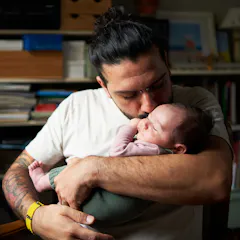
One of the first longitudinal studies of male brain changes across the transition to first-time parenthood finds that becoming a dad affects the brain – without the direct experience of pregnancy.

All the evidence points to paid partner’s leave having many benefits for children and families – but Labour’s promise falls short on time and money.

How you tell the story of a momentous event can help you make sense of what happened. Research finds new moms’ and dads’ narratives around childbirth held clues about their transition to parenthood.
Neuroscientists know that pregnant mothers’ brains change in ways that appear to help with caring for a baby. Now researchers have identified changes in new fathers’ brains, too.

Soon after a baby is born, it’s becoming more common these days for the father or non-birthing parent to be encouraged to place the newborn directly on their chest.

Many fathers act as a central support for their partner and child – but some feel they lack support themselves.
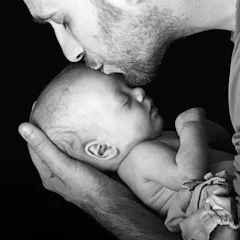
Modest changes to Australia’s paid parental provision can help address the gender gap in unpaid and paid work between mothers and fathers.

Mobile health apps, teleconferencing with experts and thoughtfully designed educational platforms can all help families during the chaotic and confusing early years.

The transition to parenthood comes with plenty of stress. A psychology researcher suggests that paid family leave could help lift some of the burden – with positive health benefits down the road.

The tasks of fatherhood are changing, but society’s expectations haven’t caught up. Many dads use online discussion groups, blogs and videos to explore their new identities.
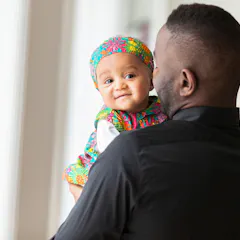
There are a number of barriers to a father’s involvement in the first 1000 days of his child’s life.

Having a newborn can be rough, whether you’re a mom or a dad. New research ties men’s testosterone to their postpartum depression – with some surprising upsides for their partners.
Top contributors
-

Professor of Psychology, USC Dornsife College of Letters, Arts and Sciences
-
Distinguished Professor, DST-NRF Centre of Excellence in Human Development, University of the Witwatersrand
-
Doctoral Student of Neuroimaging, Instituto de Investigación Sanitaria Gregorio Marañón IiSGM
-
Associate professor, Queen's University Belfast
-
Adjunct professor of Maternal and Family Health, Adelaide University
-
Democracy Deputy Program Director, Grattan Institute
-
Postdoctoral Research Fellow in the School of Nursing and Midwifery, Queen's University Belfast
-
Associate Professor of Social Work, University of Southern California
-
Assistant Professor of Clinical Pediatrics, University of Southern California
-
Director of the Roy McKenzie Centre for the Study of Families and Children, Te Herenga Waka — Victoria University of Wellington
-
Senior Associate, Disability Program, Grattan Institute
-
Chief executive officer, Grattan Institute
-
Associate Professor, Faculty of Health, Medicine and Behavioral Sciences, The University of Queensland
-
Associate Professor in Nursing and Midwifery, Western Sydney University
-
Senior Research Associate, Africa Health Research Institute (AHRI)