

With implants now capable of translating thoughts into words in just three seconds, the future is going to get very weird indeed.
Articles on Neuroprosthetics
Displaying all articles

From warfare to entertainment and VR, brain-computer interface development has extended beyond prosthetics for patients with disabilities. Missing is full ethical consideration of the consequences.
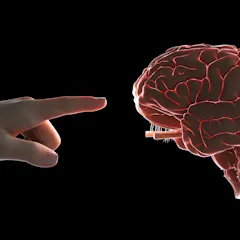
When designing neuroprosthetic devices for users to control with their thoughts, engineers must take into account the sensory information brains collect from the environment and how it gets processed.
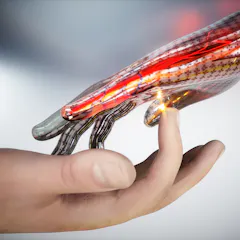
A new silicone ‘skin’ contains electronics that mimic the human body’s lightning-fast response to pain, potentially paving the way for smart prosthetics that can detect painful sensations.
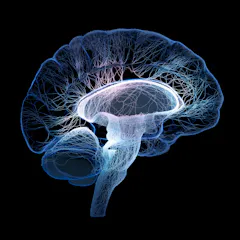
Study shows that multiple body parts can make use of the brain’s ‘hand area’ in people with only one hand.
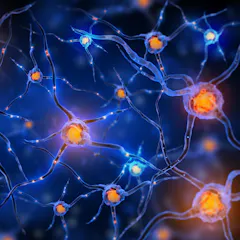
The next generation of neuroprosthetics could communicate directly with the brain to tackle diseases such as epilepsy and blindness.

Could the not-too-distant future hold “brain chip” technologies that we could all use to enhance our memories to the point of perfection? Not so fast: there are big benefits to forgetting.
Top contributors
-

Reader in Neuroprosthesis, Newcastle University
-
Associate Professor of Communication Science and Disorders, Texas Woman's University
-
PhD Candidate in Neuroscience, UCL
-
Professor, Electronic and Communications Engineering, RMIT University
-
Assistant Professor of Neurological Surgery, School of Medicine, University of Washington
-
Neurological Surgery Resident, University of California, San Francisco
-
Professor of Bioethics and Humanities, School of Medicine, University of Washington
-
Hwang Endowed Professor of Computer Science and Engineering and Director of the Center for Neurotechnology, University of Washington
-
Professor of Intelligent Engineering Systems, Nottingham Trent University