

Intended to be a no-fault insurance scheme for Australians with severe and permanent disability, the NDIS has changed lives but also been the subject of controversy in its first decade.
Articles on NDIS
Displaying 101 - 120 of 263 articles

Just having hyperactive, impulsive, and inattentive symptoms is not sufficient to qualify for a diagnosis of ADHD. Symptoms need to have a negative effect.

Though more research is needed, the idea is a relatively small amount of support early on can help prevent future difficulties.

Plans to use buying power to save money on assistive technology for NDIS participants should be approached with caution. Otherwise, savings may come at the cost of a person-first approach.

How can the concept of ‘evidence-based practice’ be applied to individualised disability support?

In this podcast, former Paralympian Kurt Fearnley, chair of the National Disability Insurance Authority, which implements the scheme, discusses its issues and the road ahead
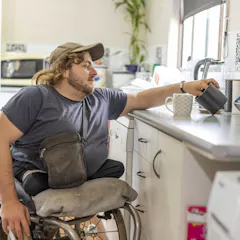
People with disability have a worrying sense of deja vu about the current NDIS cost concerns.
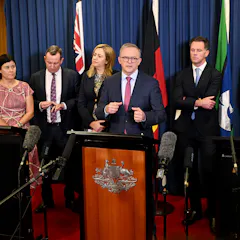
The May 9 budget will include a $2.2 billion suite of measures to seek to ease pressures in primary health care and hospitals, as well as containing initiatives directed towards the crisis in the rental…
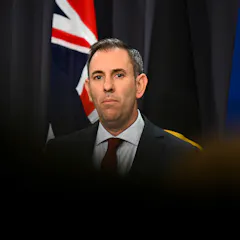
Managing expectations before a budget is always tricky. Two committees are making this especially so for Treasurer Jim Chalmers ahead of his second budget.

If people with disability can’t access the NDIS, they’re often left without any services or supports. This needs to change.

The Albanese government had no intention of giving the Low and Middle Income Tax Offset a further lease of life. It just would have preferred that a pesky journalist hadn’t highlighted the fact

Our analysis of part-time work and its impact on wellbeing shows getting more people with disability into employment could save millions in health-care costs.

Gaps between health systems can mean NDIS participants at the end of their lives don’t have the support of their regular NDIS support workers.

Fetal alcohol spectrum disorder can cause problems with movement, behaviour or learning or a mix of these. In communities where alcohol use is high, a focus on FASD is warranted.

The new guideline was developed by a group of researchers, clinicians, and autistic people. They consulted with more than 1,000 community members.

People with disabilities have a right to choose where and who they live with. Too many are currently in vulnerable arrangements.

Making it possible for NDIS participants to choose registered or unregistered providers affords the ‘dignity of risk’.

A serious disability is one of the most common reasons people apply for social housing. The long wait for a suitable home just adds to the daily challenges they face.

Kids with disabilities need support to gain and maintain friendships. But there are benefits for everyone when social inclusion works.

Much has been said and written about the projected cost of the NDIS. We wanted to draw on the valuable knowledge of scheme participants and their families.
Top contributors
-

Professor, Public Service Research, UNSW
-
Professorial Fellow, University of Canberra
-
Professor, Rehabilitation, Ageing and Independent Living Research Centre and Occupational Therapy Department, School of Primary and Allied Healthcare, Monash University
-
Deputy Director, The Kids Research Institute Australia, Professor of Autism Research, The University of Western Australia
-
Adjunct Professor, Summer Disability Research Centre, La Trobe University
-
Professor, University of Sydney; RMIT University
-
Disability Program Director, Grattan Institute
-
Senior Research Fellow, Crawford School of Public Policy, Australian National University
-
Head of Autism Research and Senior Principal Research Fellow, The Kids Research Institute Australia
-
Professor, Social Policy Research Centre, UNSW
-
Senior Lecturer in Public Policy and Politics, UNSW
-
Senior Lecturer of Wellbeing Science, The University of Melbourne
-
ARC Research Fellow in Indigenous Health, Disability and Community Development, University of Sydney
-
Senior Lecturer Economics, Deakin University
-
Adjunct Senior Research Fellow, Living with Disability Research Centre, La Trobe University