
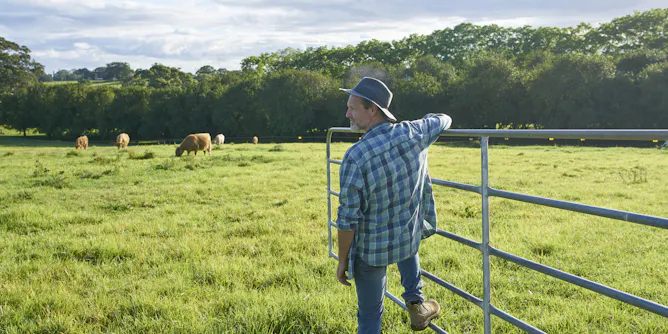
Nature and agriculture are often at odds. But an Australian study suggests farmers who plant more trees are better off – financially and environmentally.
Articles on Natural capital
Displaying all articles
A healthy economy relies on healthy natural systems. But at the economic roundtable, this fact was all but absent.
With submissions about to close on the government’s proposed fast-track consenting legislation, its possible impact on New Zealand’s diminished and delicate ecosystems demands proper scrutiny.
Putting a dollar value on nature has staunch opponents who say it’s morally wrong, but without it, building dams and other infrastructure can run roughshod over vital ecosystems.
To protect natural ecosystems we will need a system that actually counteracts market forces.
When something is free, people use a lot of it. Economists are urging governments to compute values for natural resources – wildlife, plants, air, water – to create motives for protecting them.
Our prevailing relationship with nature is based on framing the living world as a set of natural resources. This utility-based worldview perpetuates the drivers of ongoing biodiversity loss.
Ecosystem deterioration, along with climate change, is now becoming a controversial political question.
Valuing nature is hardly natural.

Water and energy use are becoming more efficient, which is good news for both the economy and the environment. But Australia has yet to realise the value of national environmental accounting.

When we don’t factor in the environment in our economic decision making, we aren’t getting an acurate picture of what’s happening. Australia needs to adopt more environmental economics.
Natural capital is a hot topic that proponents have jumped onto, believing it is the future of sustainable development. But this concept is based on fundamental fallacies.
The world must embrace an economy where people and the planet are what matters the most.
The notions of “natural capital” and “ecosystem services” try to highlight the value of nature. But but by putting dollar figures on nature do we actually devalue it?
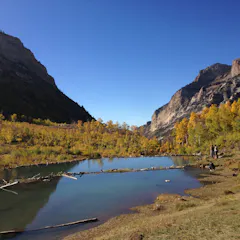
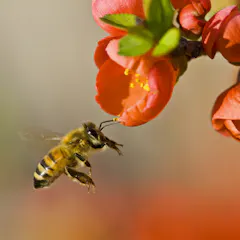
Listing the value of bees, beavers and others on the pages of the world’s financial press helps to show that ecosystems deliver benefits worth staggering amounts of money - yet we scarcely keep track of it.
Is it worth trying to put a price on the natural world, when things like water and food are priceless? Yes, says Paul Sutton - without knowing the value of the environment, we might not value it at all.
Top contributors
-

Honorary Associate Professor, Australian National University
-
Professor, Department of Geography and the Environment, University of Denver
-
Professor of Geography, Environmental Management and Energy Studies, University of Johannesburg; Research Associate, Stellenbosch University; Professor of Sociology of Development and Change, Wageningen University
-
Honorary Research Fellow, Melbourne Sustainable Society Institute, The University of Melbourne
-
Vice-Chancellor's Research Fellow, Centre for Urban Research, RMIT University, RMIT University
-
Professor of Ecological Economics, UCL
-
Founding Director, Institute for Sustainability, University of Surrey
-
Affiliate Full Professor of Environmental & Societal Futures and Conservation Biology, University of Washington, Bothell
-
Daniel Patrick Moynihan Senior Lecturer in Public Policy and Public Finance, Harvard Kennedy School
-
Adjunct, Faculty of Law, Te Herenga Waka — Victoria University of Wellington
-
Lecturer in Forest Sciences, Bangor University
-
Visiting Professor at Global Sustainability Institute, Anglia Ruskin University
-
Professor of Ecology, University of Auckland, Waipapa Taumata Rau
-
Research Scientist in River Ecosystems, University of Nevada, Reno
-
Senior Fellow, UN Foundation and University Professor, George Mason University