
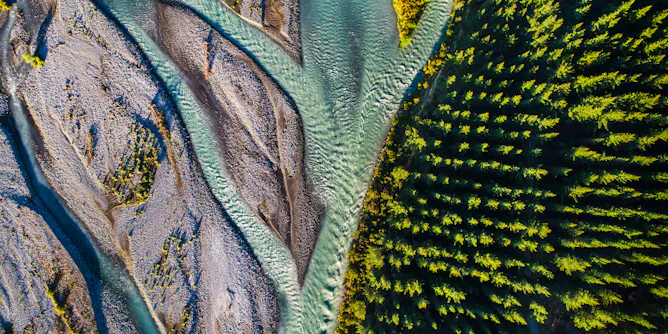
A New Zealand-focused analysis finds businesses in areas with healthier ecosystems tend to generate higher sales and profits, revealing an overlooked green benefit.
Articles on environmental accounting
Displaying all articles

By measuring what might seem immeasurable, businesses can become part of the solution to the nature crisis.
In our market-driven world, calculating the economic value of the environment can be a useful tool in garnering support for environmental protection.
Australia cannot get its environmental act together. We don’t even have the information we need to fix environmental problems. But there is a better way.
Australia’s first ‘land account’ is a great example of the nation’s environmental policy culture: we develop or adopt good ideas, but then tinker with, or even discard them.
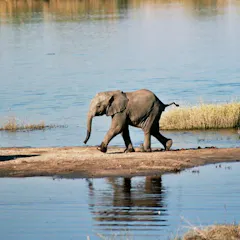
At an international summit in Egypt this month, nations will hopefully make progress towards recognising the economic value of wildlife and other environmental assets.

Water and energy use are becoming more efficient, which is good news for both the economy and the environment. But Australia has yet to realise the value of national environmental accounting.
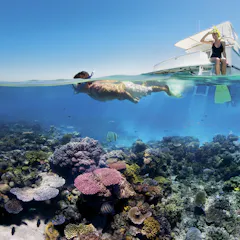
Is Australia undervaluing its most valuable natural asset by only charging $6.50 a day to visit the Great Barrier Reef? And would it help if tourists were asked to pay more?
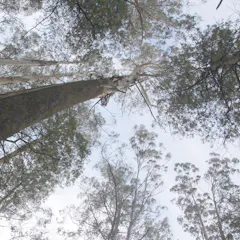
How do you determine the financial benefit of cutting a tree down, versus leaving it standing? Environmental accounting offers some insight.

When we don’t factor in the environment in our economic decision making, we aren’t getting an acurate picture of what’s happening. Australia needs to adopt more environmental economics.
Top contributors
-

Honorary Associate Professor, Australian National University
-
Honorary Research Fellow, Melbourne Sustainable Society Institute, The University of Melbourne
-
Distinguished Professor of Ecology, Fenner School of Environment and Society, Australian National University
-
Honorary Associate Professor, ANU College of Law, Australian National University
-
Professor of Economics, University of Tasmania
-
Senior Lecturer , University of Tasmania
-
Senior Research Fellow in Ecology, Griffith University
-
Director, Sustainable Finance Hub, The University of Melbourne
-
Lecturer in Quantitative Ecology & Biodiversity Conservation, The University of Melbourne
-
Professor, Urban Ecology and Biodiversity, The University of Melbourne; RMIT University
-
Professor in Conservation Science, School of Ecosystem and Forest Science, The University of Melbourne
-
Distinguished Emeritus Professor of Management, University of California, Davis
-
Associate Professor of Accounting and Capital, Te Herenga Waka — Victoria University of Wellington