

Environmental organizations are using games to engage communities on conservation matters.
Articles on National parks
Displaying 101 - 120 of 167 articles
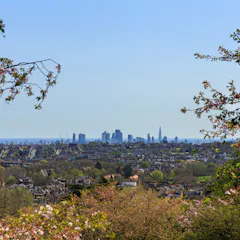
London doesn’t meet the criteria for a national park – not even close. Calling it that could undermine the label itself.
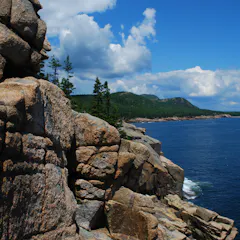
US national parks protect some of America’s most spectacular outdoor settings. But new research shows that ozone pollution levels in the parks are roughly as bad as in major cities.
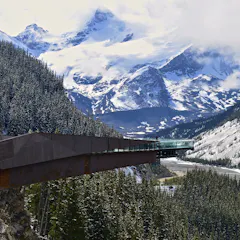
Canada’s national parks don’t need more visitors. They could use more scientists, and better science, to help conserve the country’s species.

The world’s national parks cover an area bigger than South America. But a new survey finds that one-third of this area is subject to pressure from human developments, potentially putting wildlife at risk.
Smart technology can help the environment, preserve biodiversity and protect sensitive areas, such as national parks.
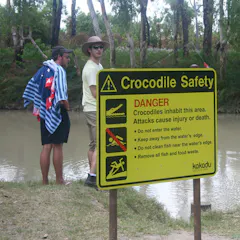
New research shows what type of signs are most effective at communicating safety messages in national parks - and what not to do.

In 1933 President Franklin Roosevelt created the Civilian Conservation Corps, a massive relief program that paid young men to plant trees and build parks across the nation. It was money well spent.
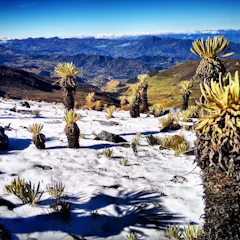
One of Colombia’s most beautiful areas, El Cocuy National Natural Park was for years too dangerous to visit. No more.
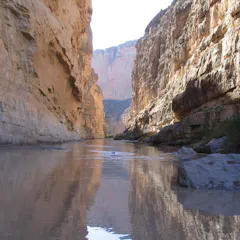
Instead of building a wall on the US-Mexico border, a landscape architect calls for restoring the Rio Grande and turning its course into an international park – an idea first proposed in the 1930s.
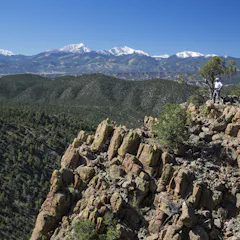
Within the next month, the Trump administration may move to abolish or shrink up to two dozen national monuments. Our experts explain why these sites matter and whether presidents can undo them.
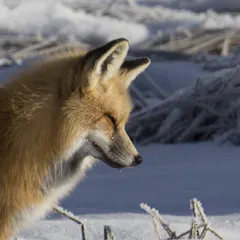
A recent study finds that noise from human activities is intruding into many parks and other protected areas. Creating quiet zones and noise corridors can help reduce impacts from noise pollution.
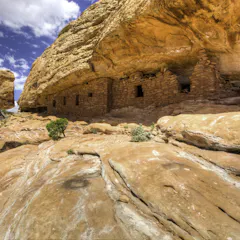
Trump wants to scale back national monuments on federal lands in the name of boosting the economy. But this would undo decades of investments to manage our cultural and ecological resources.

The U.S. owes much of its prosperity to investment in public goods like highways, parks and schools. Trump’s budget poses a threat to these goods, which have already been on the decline.
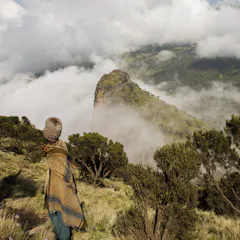
You’d hope we wouldn’t flatten the pyramids to build a highway. But that’s exactly what’s happening to the world’s natural heritage sites.
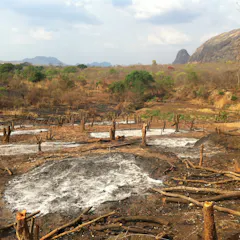
Since 1992, an area of land two-thirds the size of Australia has been converted to human use.
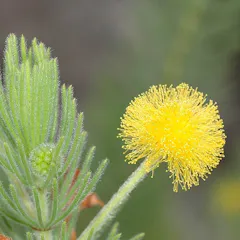
We know very little about Australia’s most threatened plants.

American ginseng, a slow-growing native plant long used in traditional medicine, was abundant in colonial times. Now illegal harvesting and other stresses are pushing it close to extinction.
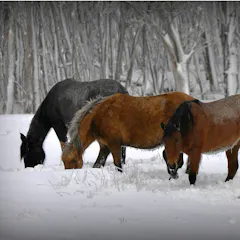
Horses need to be removed from Australia’s mountains. The debate now is around ethics and their role in Australian culture.

New research shows protected areas are doing well at protecting large, iconic wildlife, but less well at helping smaller species.
Top contributors
-

Professor in Conservation Science, School of the Environment, The University of Queensland
-
Cecil D. Andrus Endowed Chair for Environment and Public Lands and University Distinguished Professor, Boise State University
-
Distinguished Professor of Ecology, Fenner School of Environment and Society, Australian National University
-
Professor in Wildlife Ecology and Conservation, School of Life & Environmental Sciences, Deakin University
-
Research Fellow in Public Health, The University of Queensland
-
Associate Professor of History, Colorado State University
-
Professor of Pyrogeography and Fire Science, University of Tasmania
-
Associate Professor, Southern Cross University
-
Postdoctoral research fellow, School of Biological Sciences, The University of Queensland
-
NHMRC Research Fellow, School of Population Health and Co-founder UNSW Beach Safety Research Group, UNSW
-
Distinguished Research Professor and Australian Laureate, James Cook University
-
Emeritus Professor of Life Sciences, Arizona State University
-
Visiting Honors Lecturer, Southern Illinois University Edwardsville
-
Research scientist, The University of Queensland
-
Matthew Flinders Professor of Global Ecology and Node Leader in the ARC Centre of Excellence for Indigenous and Environmental Histories and Futures, Flinders University