
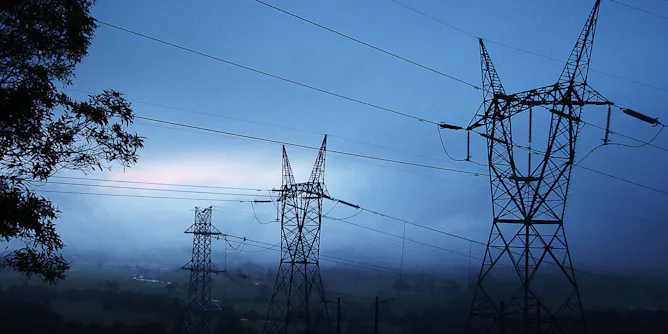
The charge for retailing electricity in Australia compares poorly other deregulated markets in Europe
Articles on National Electricity Market
Displaying 61 - 80 of 118 articles
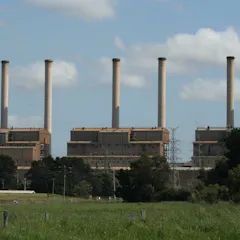
Victoria will be able to import more electricity to make up for any shortfalls from Hazelwood power station’s closure.

The current flurry of energy policy aims to make power cheaper and more reliable. But it will take more than that to meet vital longer-term goals like cutting carbon while keeping future prices low.
The South Australian and federal governments’ energy feud reached a peak this week, but just who is responsible?
South Australia has unveiled its keenly awaited energy plan, featuring battery storage, a state-owned gas power station, and a thumb of the nose to the federal electricity rules.
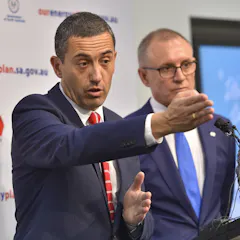
South Australia is investing $550 million in a plan to improve the reliability of its electricity. But the side-effect is that the National Electricity Market will now be even harder to run.
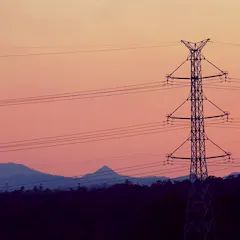
Privatisation has failed to keep Australia’s electricity cheap and reliable. Time to renationalise the grid.
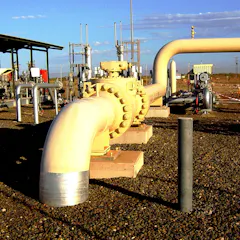
Rising gas prices and energy security issues have led to calls for more gas to be pumped into our energy system. But we need to balance that with the equally pressing need to limit greenhouse emissions.
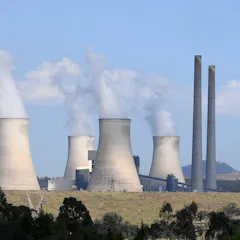
Here’s the real problem behind Australia’s electricity woes: the rules that govern decisions about what infrastructure to build, and when, are inflexible and outdated.
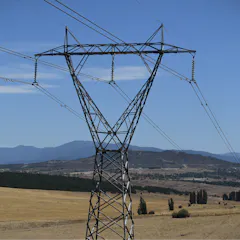
Privatisation and competition were supposed to make electricity cheaper. Instead, Australia’s quasi-federal energy system has made it easier to pass the buck when things go wrong.
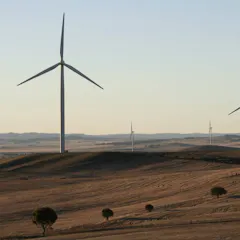
Prime minister Malcolm Turnbull has set out a strong vision for Australia’s energy policy, but there are many challenges ahead.
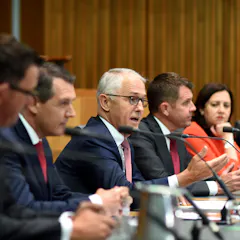
In the absence of strong federal action on climate change, many states have developed their own climate and energy policies.
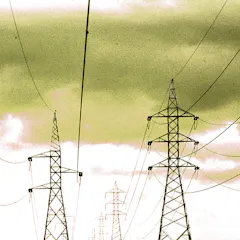
The electricity network can be used proactively to meet Australia’s climate and renewable energy targets.
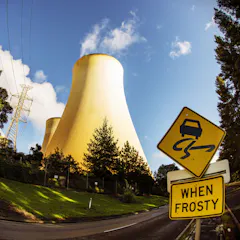
Why is everyone talking about ‘emissions intensity’ schemes this week?
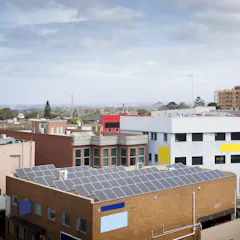
The need to urgently reduce greenhouse gas emissions is a major challenge to cheap electricity.
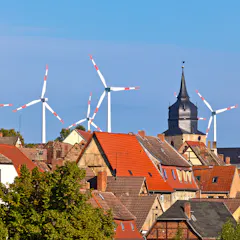
Germany’s energy transition is often held up as an incredible success story. So what can Australia learn?
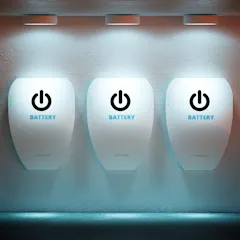
Batteries aren’t the only type of storage, and all types of storage have their role to play in the future grid.
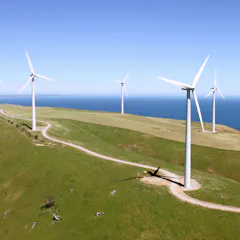
Whatever our electricity grid looks like in the future, it will need to be reliable.
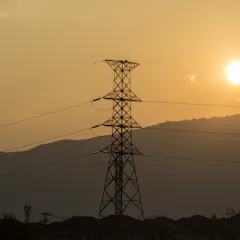
Australia’s electricity and climate agendas aren’t on the same page.
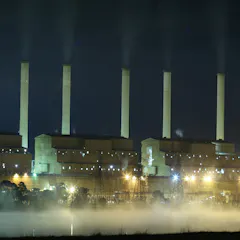
The potential shutdown of Victoria’s Hazelwood power station could leave a large gap in coal-fired baseload generation. But other coal power stations have plenty of spare capacity to fill the gap.
Top contributors
-

Professor and Director, Victoria Energy Policy Centre, Victoria University
-
Energy Fellow, Grattan Institute
-
Senior Research Associate, Renewable Energy & Energy Systems Analyst, UNSW
-
Senior Fellow in Energy and Climate Change, Grattan Institute
-
Honorary Associate Professor, Centre for Climate Economics and Policy, Australian National University
-
Assoc Prof. Renewable Energy, Monash University
-
Associate Professor of Economics, Griffith University
-
Associate Professor, RMIT University
-
Senior Industry Fellow, Environment and Planning, RMIT University
-
Associate Professor, Griffith University
-
Professor of Law, Deakin University
-
Professor, Crawford School of Public Policy and Director, Centre for Climate and Energy Policy, Australian National University
-
Ariel Liebman Director, Monash Energy Institute and Professor of Sustainable Energy Systems, Faculty of Information Technology, Monash University
-
Research fellow, Centre for Policy Futures, The University of Queensland
-
Professor, Discipline of Political Economy, University of Sydney