

Nairobi harbours all the ingredients for zoonotic spillover to occur between animals and people, particularly in the most densely populated areas of the city.
Articles on Nairobi
Displaying 41 - 60 of 96 articles

A range of factors influence the behaviour of minibus drivers in Ghana. This involves a complex web of factors, motivations and constraints.
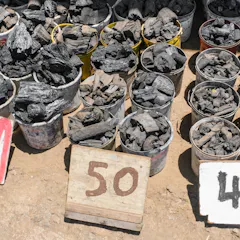
Demand for charcoal continues to increase in Kenya, it’s vital that the sector is better governed
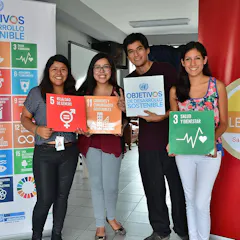
A new report from the GovLab and the French Development Agency (AFD) examines how development practitioners are experimenting with emerging forms of technology to advance development goals.

COVID-19 restrictions created life-threatening challenges to female sex workers as they weren’t able to access their medication, support or their clients.

Parts of Nairobi are already dealing with temperature increases and reduction in humidity. These conditions are associated with increases in mortality, especially in children and the elderly.
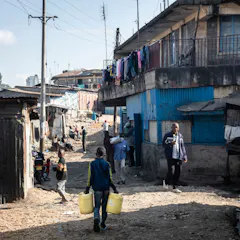
CC BY-NC-ND11.3 MB (download)
The main reason for the growth of the informal water market is government failure to deliver adequate public services.
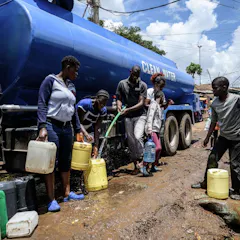
Despite high prices, poor quality and inconvenience, Kenya’s urban poor continued to buy water from private vendors because it’s still their best option.

Diaries of young Kenyans in Nairobi reveal lives of joblessness and endless searching for money, all punctuated by substance use.
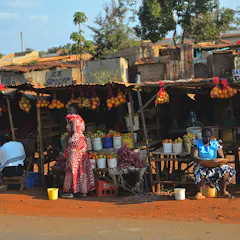
Kenya’s urban poor lack enough food and the little they can afford is often unsafe and of poor nutritional value.

In independent Kenya, road renaming happened to erase the names of the colonisers and to celebrate the new heroes: Kenya’s political leaders and freedom fighters.

Developing countries that depend heavily on tourists need international support, and more sustainable offerings for the future.

Crime fiction is the second most popular literary genre in Africa after romance. A reading of Kenyan author Mũkoma wa Ngũgĩ’s Black Star Nairobi reveals how it has disrupted the genre.

We found that air pollution levels in Nairobi increased by 182% over the study period, Kampala by 162% and Addis Ababa by 62%.
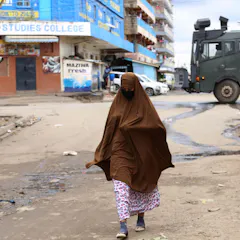
Nairobi’s refugees have few savings and depend on the day-to-day cash they generate from street vending.

COVID-19 is having a significant impact on the health, economic and social status of slum dwellers.

The commercialisation of universities in Kenya poses a serious threat to academic freedom.
The Conversation Africa is expanding in West Africa.
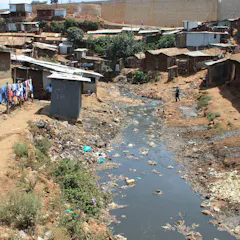
There are huge holes in the governance of Nairobi river and city’s waste which means the river’s condition has deteriorated.

Because Helicobacter Pylori is contagious, treating it properly is key to preventing its spread.
Top contributors
-

Lecturer, Technical University of Kenya
-
Associate professor, University of Delhi
-
Research Scholar, Center for Sustainable Urban Development, Climate School, Columbia University
-
Lecturer, Kenyatta University
-
Postdoctoral fellow, Georg-August-Universität Göttingen
-
Research Scientist, African Population and Health Research Center
-
Professor of Research, Foundations & Higher Education, Northern Arizona University
-
Associate Research Scientist, Texas A&M University
-
Consultant in Hydrology and Water Resources, Kenya citizen, Visiting Research Fellow, King's College London
-
Assistant professor, University of San Francisco
-
Guest Lecturer, Climate Change Economics, University of Oxford & Director, Climate and Sustainability Programme, ODI Global
-
Policy Outreach Manager , African Population and Health Research Center
-
Postdoctoral fellow, Rutgers University
-
Research Professor ISGlobal Barcelona and Professorial Fellow, ACU Melbourne, Australian Catholic University
-
Research Officer, African Population and Health Research Center