

From COVID-19 vaccines to Moderna’s mRNA flu vaccine, using mRNA as medicine has shown promise. But before mRNA drugs can go beyond vaccines, researchers need to identify the right diseases to treat.
Articles on mRNA
Displaying 1 - 20 of 61 articles
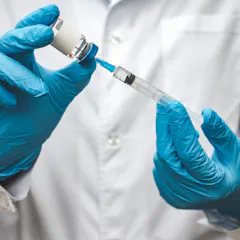
This latest trial hopes to test the vaccine in people who are most at risk of acquiring bird flu.
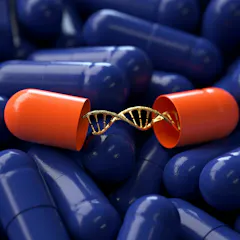
Nanomedicine prompts RNA to make protein-based drugs to treat diseases. Now we can fine-tune protein production by dialling it up or down, creating personalized medicine on an invisible scale.
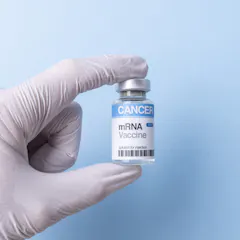
False claims that COVID-19 mRNA vaccines cause cancer could, ironically, lead to worse cancer outcomes by undermining a promising tool to prevent and treat it.

The researchers found that mRNA-based COVID-19 vaccines could potentially help patients whose tumors don’t respond well to traditional immunotherapy.
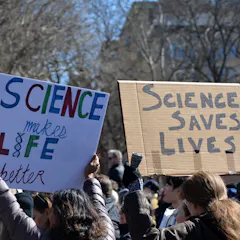
Vaccines saved 154 million lives. But as fear of disease fades, so does protection – raising the chilling prospect of a return to the pre-vaccine era.

Viruses mutate all the time. Vaccines don’t cause this – they help filter which strains survive.

Australian livestock farmers see foot-and-mouth disease as an existential threat. A new vaccine offers hope – but not a silver bullet.

Research teams across Canada are now building on homegrown innovation to expand the potential of RNA vaccines beyond infectious diseases.

The COVID-19 pandemic is over, though of course the virus is still with us. Looking back, how should we judge the government response? What did we do right, and what could be done better?
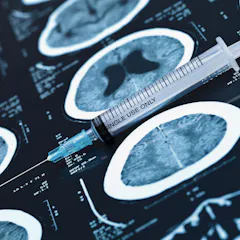
Cancer vaccines have gained much interest among scientists but face a number of hurdles. A new mRNA vaccine for glioma offers a step forward in training the immune system to fight cancer.

The COVID-19 pandemic demonstrated the promise of using mRNA as medicine. But before mRNA drugs can go beyond vaccines, researchers need to identify the right diseases to treat.

From COVID-19 vaccines to cancer treatments and beyond, the flexibility of mRNA-based therapies gives them the potential to prevent and treat many types of diseases.
Considered a pipe dream not too long ago, research on RNA therapeutics is progressing rapidly. Now a new manufacturing protocol will help researchers to advance the technology.
This is an era of exciting advances in medical science. But Africa is in danger of being at the back of the queue once again. What should we be doing to make sure this doesn’t happen?
The goal of mRNA technology is to harness the power of the cell to potentially prevent infections and treat diseases.
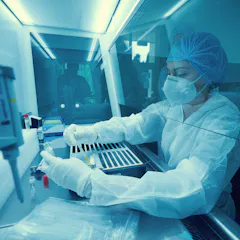
The winners of the 2023 Nobel Prize in physiology or medicine made a discovery that helped create the COVID-19 vaccines. They couldn’t have anticipated the tremendous impact of their findings.
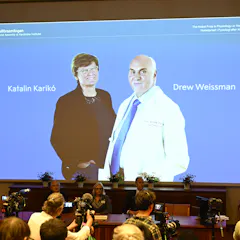
The prestigious prize was awarded to Dr Katalin Karikó and Dr Drew Weissman from the University of Pennsylvania.
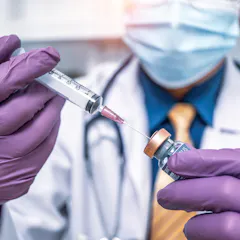
This study further highlights the potential of mRNA vaccines in cancer treatment.
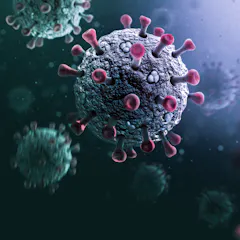
With the emergency phase of the COVID-19 pandemic in the rearview mirror, at least for now, we look back on a handful of stories that provided sharp insights at key moments in the pandemic.
Top contributors
-

Professor of Pathology, Microbiology and Immunology, University of South Carolina
-
Professor of Pathology, Microbiology and Immunology, University of South Carolina
-
Professor of Microbiology, School of Medicine, University of Washington
-
Associate Professor and ARC Future Fellow, The University of Western Australia
-
Research associate, Warren Alpert Medical School, Brown University, Brown University
-
Professor of Medicine, University of Virginia
-
Early Career Research Leader, Emerging Viruses, Inflammation and Therapeutics Group, Menzies Health Institute Queensland, Griffith University
-
Assistant Professor of Biomedical Sciences, UMass Chan Medical School
-
Clinical Associate Professor of Pharmacy Practice, Binghamton University, State University of New York
-
Pediatric Infectious Diseases Fellow, University of Pittsburgh
-
Academic Specialist & Senior Lecturer in Cancer Sciences & Digital Health | Superstar of STEM | Science Communicator, The University of Melbourne
-
Pediatric Infectious Diseases Fellow, University of Pittsburgh
-
Associate Professor of Pediatrics, Vanderbilt University
-
Professor of Family Medicine and Community Health, UMass Chan Medical School
-
Associate Professor of Biology, University of Richmond