
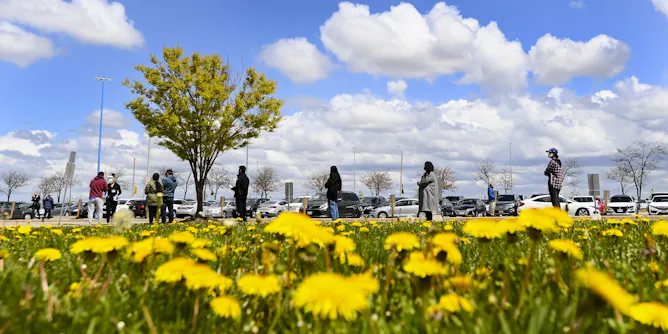
Canadian public health organizations have run into a serious communication problem about the AstraZeneca vaccine. Crisis management and communication theories explain what’s gone wrong.
Articles on mRNA
Displaying 41 - 60 of 61 articles
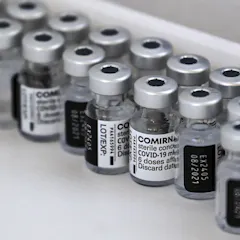
Skyrocketing demand coupled with shortages of vital components is leading to bottlenecks in the supply chain of Pfizer’s and other mRNA vaccines.

We have two mRNA COVID-19 vaccines so far. But what else can this technology do?

With changing recommendations about AstraZeneca’s COVID-19 vaccine making headlines, many people have questions about its use.

In the spotlight for its role in COVID-19 vaccines – and a Nobel Prize – mRNA is not a new invention. It’s a crucial messenger molecule at work every day in every cell in your body.

RNA was used to make COVID vaccines. Now it could lead to more personalised healthcare.
So far, most vaccines in the US are mRNA vaccines. These represent a new technology and are likely to take over the vaccine world. But how do they work? What are their weaknesses? Five experts explain.

The coronavirus pandemic has driven a lot of scientific progress in the past year. But just as some of the social changes are likely here to stay, so are some medical innovations.

With the vaccines now being administered at sites around the US, it is important to address misinformation surrounding the effort.
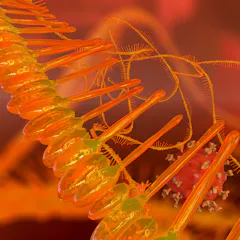
Researchers are already working to improve the current crop of mRNA vaccines. Hopefully this will help them become more practical and affordable for the entire world, not just first-world countries.
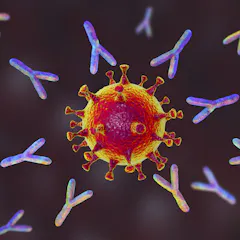
With slow vaccine distribution and manufacturing, some people won’t get the second dose on time. But does it matter?
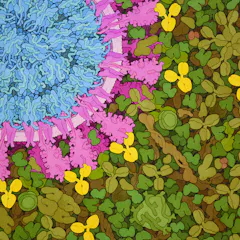
A biologist explains what proteins do in viruses, how they interact with human cells, how the vaccine delivers mRNA into the cell and how antibodies protect us.
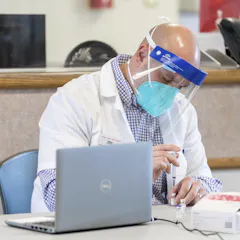
Two pharmacists involved in COVID-19 vaccine preparation explain the role pharmacists are poised to play in expanding vaccine access.
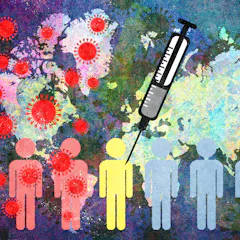
Because Pfizer-BioNTech and Moderna vaccines have been developed in record time, many wonder whether companies cut corners or compromised safety.

Pfizer and BioNTech have announced 95% efficacy for their mRNA vaccine, having met the final target they need to before seeking regulatory approval.
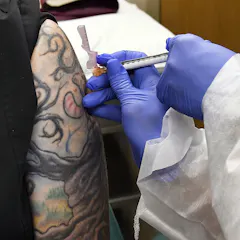
Two pharma companies have announced early COVID-19 vaccine trial results with over 90 per cent effectiveness. What does that mean for getting back to normal?
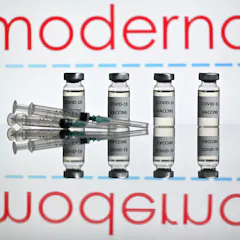
There are two new COVID-19 vaccines that appear to be more than 90% effective. But what are these vaccines, and how are they different from those used previously?
Two more COVID-19 vaccines may now be on the cards for Australia, should they pass clinical trials. But, as with earlier vaccine deals, there are no guarantees.
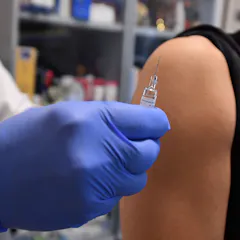
So-called mRNA vaccines are among the frontrunners in the global race to design a COVID vaccine. But as a new technology, most nations, including Australia, lack the capacity to produce them at scale.

Results from phase 1 trials of a COVID-19 mRNA vaccine created a burst of optimism. But details the company failed to release suggest it is too early to speculate whether the vaccine is effective.
Top contributors
-

Professor of Pathology, Microbiology and Immunology, University of South Carolina
-
Professor of Pathology, Microbiology and Immunology, University of South Carolina
-
Professor of Microbiology, School of Medicine, University of Washington
-
Associate Professor and ARC Future Fellow, The University of Western Australia
-
Research associate, Warren Alpert Medical School, Brown University, Brown University
-
Professor of Medicine, University of Virginia
-
Early Career Research Leader, Emerging Viruses, Inflammation and Therapeutics Group, Menzies Health Institute Queensland, Griffith University
-
Assistant Professor of Biomedical Sciences, UMass Chan Medical School
-
Clinical Associate Professor of Pharmacy Practice, Binghamton University, State University of New York
-
Pediatric Infectious Diseases Fellow, University of Pittsburgh
-
Academic Specialist & Senior Lecturer in Cancer Sciences & Digital Health | Superstar of STEM | Science Communicator, The University of Melbourne
-
Pediatric Infectious Diseases Fellow, University of Pittsburgh
-
Associate Professor of Pediatrics, Vanderbilt University
-
Professor of Family Medicine and Community Health, UMass Chan Medical School
-
Associate Professor of Biology, University of Richmond