

A healthy democracy has free and fair elections, robust civil liberties, multiparty competition and minimal corruption. Does Texas qualify?
Articles on Money in politics
Displaying all articles
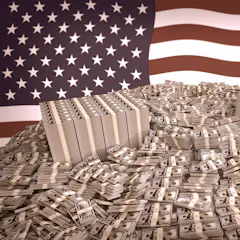
Some 44,000 people – about one-hundredth of 1% of the US population – have given $10,000 or more each to this election. So much money from so few donors inevitably distorts the political process.
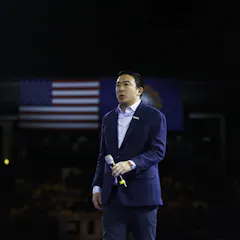
When political campaigns end, candidates often are left with a fair amount of money. They have a lot of options about how to spend it.
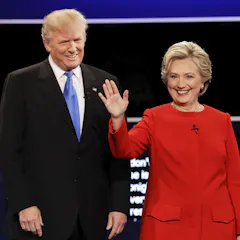
TV has long been the golden goose of political advertising – the one who spends the most wins. That’s over, and it’s a new era of digital advertising. No one’s done it better than Donald Trump.

Secrecy over who funds political parties should trigger fears that government decisions will reflect the wishes of large donors.
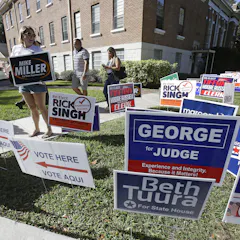
Is money the root of all evil in politics? It’s easy to see a correlation between winning and fundraising – money flows to likely winners and competitive races. But correlation is not causation.
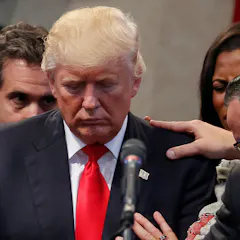
Trump’s former personal lawyer broke two laws that control political spending, both passed after major election scandals. President Roosevelt survived his campaign’s misdeeds. Nixon did not.
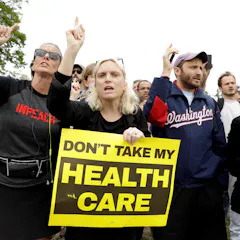
Citizen activists can influence the policy positions of their elected representatives. Their activism might well counter the advantages of the wealthy in America.
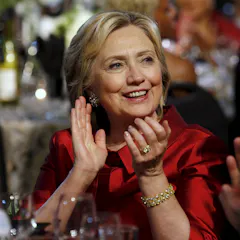
As the rest of the world watches the circus that has been the 2016 US presidential campaign, questions about how the elections and candidates are being financed continue to be raised.

Every reform politicians suggest for Australia’s political donations regime needs to be motivated solely by the desire to enhance the public interest.
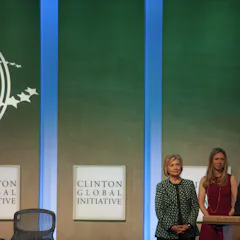
The Clintons have assembled a globally influential humanitarian behemoth. But is it just a colossal liability?

Australia’s political finance system is corrupt – but not because of bribery, or indeed any substantial quid pro quo.
Top contributors
-

Joseph P. Chamberlain Professor of Legislation, Columbia University
-
Assistant Professor of Political Science, University of Florida
-
Professor of Comparative Politics and Head of the School of Law and Government, Dublin City University, Dublin City University
-
Research Fellow, Institute for Economics and Peace, University of Sydney
-
Adjunct Professor, National Centre for Australian Studies, Monash University
-
Senior Lecturer of Politics and Government, Ben-Gurion University of the Negev
-
Professor of Law, Stetson University
-
Professor of Government, American University School of Public Affairs
-
Professor of the Practice of Data Science, Washington University in St. Louis
-
Professor of Political Studies, University of Johannesburg
-
Professor in International Politics, City St George's, University of London
-
Assistant Instructional Professor in Political Science, Texas A&M University-San Antonio