
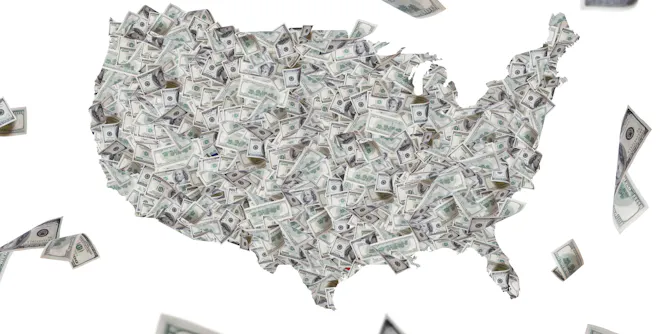
Campaign spending is confusing, but there are basic rules to help you understand information about money in elections. They can help you determine what is corruption and what is just regular politics.
Articles on Campaign spending
Displaying all articles
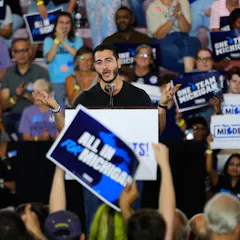
Progressive Abdul El-Sayed will face Republican nominee Mike Rogers this November.

Campaign contributions among House members show how parties build influence, protect vulnerable members and respond to election pressures.
Politicisation of taxpayer-funded advertising is wasteful and creates an uneven playing field in elections.
Businesses can spend huge amounts of money to influence Congress. But sizable lobbyist and campaign donations also go to state campaigns and lawmakers to influence policymaking.
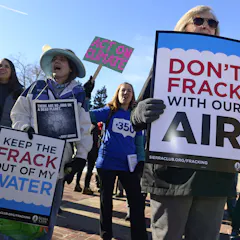
Millions of dollars are spent every election by corporations that want to influence state regulations and policies, and that’s likely to continue in the upcoming election.
Overall spending is reported but important details are missing.
Popular wisdom may be popular, but sometimes it’s downright wrong. Five stories from The Conversation’s 2018 politics coverage interrogate popular wisdom – and find it lacking.
Congressional midterm election spending will likely hit a record $5 billion. But the spending masks the main problem with US campaign financing: who gives the money and what they may get in return.
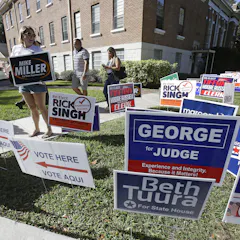
Is money the root of all evil in politics? It’s easy to see a correlation between winning and fundraising – money flows to likely winners and competitive races. But correlation is not causation.
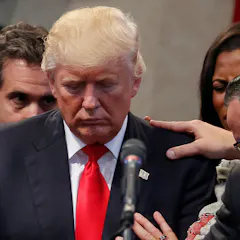
Trump’s former personal lawyer broke two laws that control political spending, both passed after major election scandals. President Roosevelt survived his campaign’s misdeeds. Nixon did not.
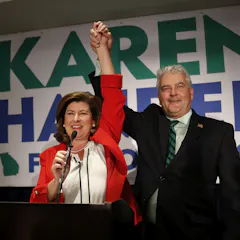
But there’s little evidence the high spending changed any minds, says a political scientist who lives in the district.
Top contributors
-

Assistant Professor of Management, DePaul University
-
Jim Moran Professor of Strategic Management, Florida State University
-
Assistant Professor of Political Science, University of Florida
-
Professor of Law, Stetson University
-
Senior Associate, Grattan Institute
-
Professor of Digital Politics, University of Sheffield
-
Lecturer in Politics, University of Bristol
-
Democracy Deputy Program Director, Grattan Institute
-
Research Assistant Professor of Industrial & Systems Engineering, University of Southern California
-
Research Professor at the Center for Political Studies, University of Michigan
-
Joseph P. Chamberlain Professor of Legislation, Columbia University
-
Professor of Political Science, Clark University; Institute for Humane Studies
-
Professor American Politics, Political Science, Georgia State University