
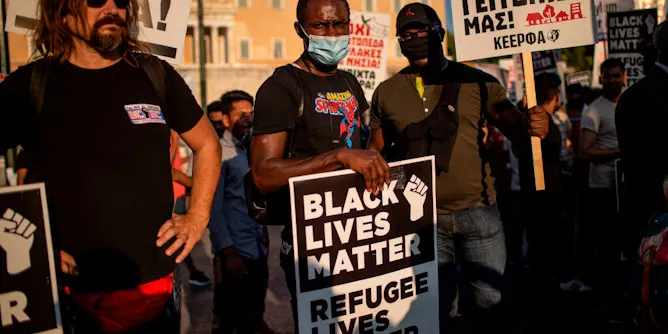
Official policies at the international level and within host countries do not adequately address the challenges posed by forced displacement across the world
Articles on Mobility
Displaying 41 - 60 of 71 articles

If bars are forced to restrict people’s movement in our post-coronavirus pandemic world, they will lose some of their most important social functions.
Many of Canada’s residents, including essential workers, have no choice but to ride transit. Service cuts may cripple their access to essential destinations if governments do not intervene.
Preliminary results of new research show how using data from social networks such as Facebook may help us understand how the coronavirus spread on local and regional levels.
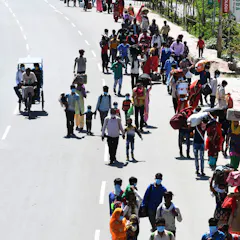
Who can and can’t move and why is crucial to understanding the virus.
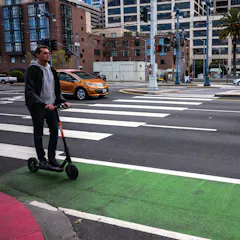
Over US$33 billion was invested in mobility tech last year in response to claims it will transform our lives. Based on what we have seen so far, which of these promised solutions will be delivered?
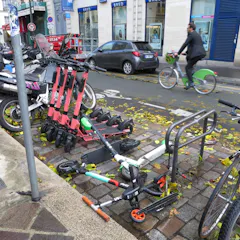
In major cities around the world, dockless scooters and bikes are everywhere, yet the companies themselves are often breathtakingly short-lived. Basic economic concepts give us clues why.
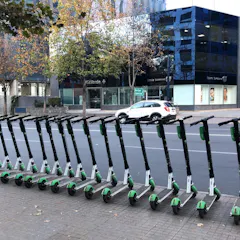
Shared e-scooter programs may seem like a green way to get around, but these small vehicles can have big environmental footprints.
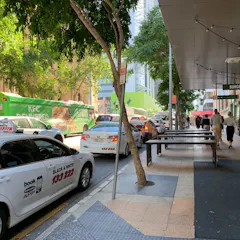
Cities must manage all the competing uses for limited roadside space to avoid congestion and maximise efficiency. And that begins with reliable data.
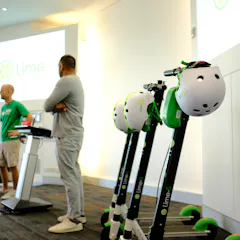
Every day, e-scooters and helmets are put out together, but some people ride without helmets and at the end of each day helmets are missing. So what can be done to ensure safe riding behaviour?
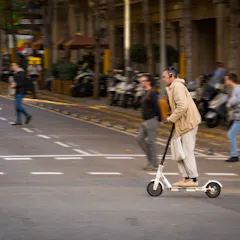
The exploding popularity of e-scooters has the potential to reshape transport in our cities. Regulators need to adapt their approaches to handle the new mobility service rather than ban it altogether.
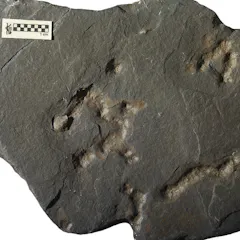
Newly found fossils point to a link between a rise in atmospheric oxygen and the first emergence of complex life on Earth.
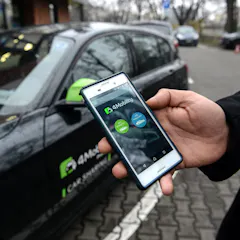
Investment is pouring into urban technology, much of it into innovative ventures that aim to transform how we get around our cities.
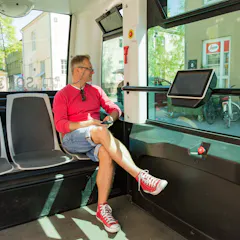
Apps that seamlessly combine all our travel options could be the most significant transport innovation since the automobile, but early trials show government policy support is vital to make MaaS work.

Blind belief that new technology and disruptive innovation will fix congestion in our cities overlooks the need for strong leadership that supports progressive policy innovation.
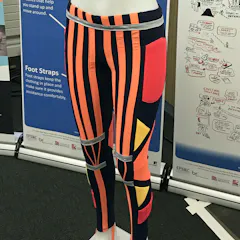
‘The Right Trousers’ combine soft artificial muscles and electric stimulation to get people moving.
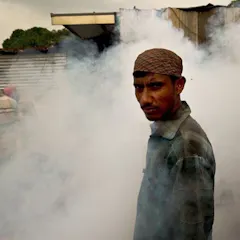
The spread of infectious diseases such as chikungunya is closely linked to urban mobility, yet small Indian cities could play a crucial role in the resilience process.
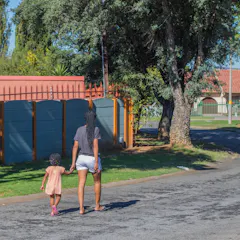
It’s critical to understand how mothers from all backgrounds navigate obstacles within the city as part of their daily lives.

What does it mean to have a cosmopolitan identity?
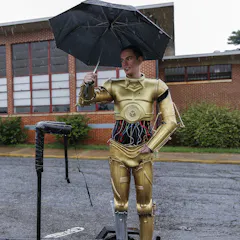
When it comes to robotics, the future is not two-legged.
Top contributors
-

Honorary Professor of Planning, The University of Queensland
-
Associate Professor in Urban Planning, The University of Queensland
-
Research scientist at CSH, Centre national de la recherche scientifique (CNRS)
-
Professor of Biomedical Engineering and Rehabilitation Medicine, Emory University
-
Associate professor, University of East Anglia
-
Postdoctoral researcher in biomedical engineering, University of Reading
-
Director of UWA Centre for Software Practice, The University of Western Australia
-
Lecturer, Clinical Exercise Physiology, School of Exercise and Nutrition Sciences, Deakin University
-
Professor, Dick Clark Chair in Architecture, School of Architecture, The University of Texas at Austin
-
Holcim (US) Professor of Sustainable Enterprise, Ross School of Business, School for Environment & Sustainability, University of Michigan
-
Principal Research Scientist, CSIRO
-
Professor and Head of the School of Civil and Environmental Engineering, UNSW
-
Professor of Strategic Design, Queensland University of Technology
-
Senior Lecturer, Physical Activity and Health, Institute for Physical Activity and Nutrition (IPAN), School of Exercise and Nutrition Sciences, Deakin University
-
Assistant Professor of Medicine, Emory University