

Research shows women who have experienced miscarriage are at twice the risk of experiencing depression and anxiety and four times the risk of suicide. That’s why workplaces need to step up.
Articles on Miscarriage
Displaying 21 - 40 of 48 articles

Miscarriage occurs in 15% to 25% of diagnosed pregnancies, bringing heartache to millions of women, many of whom blame themselves. In most cases, however, miscarriage is due to random genetic errors.
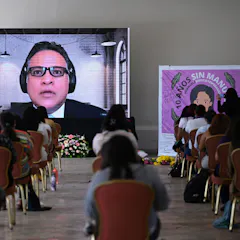
Hundreds of Salvadoran women have been prosecuted for homicide for having abortions, miscarriages or stillbirths since 1997. Now an international court must decide: Is that legal?

Employees who have suffered a miscarriage or stillbirth are more likely to quit their jobs and suffer from impaired work performance. Pregnancy loss is not just a personal issue, but a workplace issue.

‘Catching a baby’ or caring for new parents on Christmas Day is special, midwives say. But Christmas can also be a vulnerable time for many women, especially so during a pandemic.
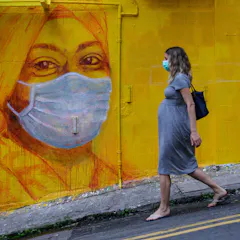
As the COVID-19 pandemic spreads, pregnant women are facing new health risks and a health care system that’s changing around them by the day.
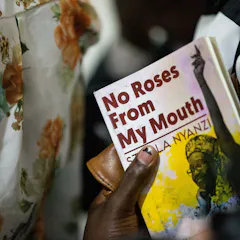
Written from prison, the new book of poems by the writer, academic and activist shows her fire but also her deep love for Uganda.

Women aged over 35 are sometimes offered genetic testing of their IVF embryos to rule out abnormalities. But it’s expensive and doesn’t increase their chance of a baby. In fact, it could reduce it.

Miscarriages are more common than many people realise and can be devastating. Here’s what we know about why they happen, what we can do to treat the causes, and what we could do better.

Election news coverage of party positions on abortion may confuse the public about the reality and legality of access in Canada.

Added to the complications of dealing with such a unique type of loss, is the fact that many people feel uncomfortable talking about personal issues with their colleagues.
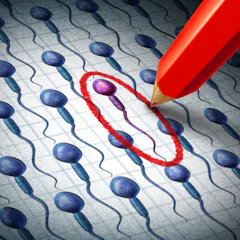
Traditional belief has held that the underlying cause of miscarriage can be found in mothers, but half of recurrent miscarriages have another cause.

How do women decide whether – and what – to say about their pregnancy loss experiences on social media?
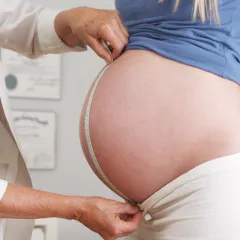
Stillbirths affect many women but the science of finding out which pregnancies are at risk hasn’t moved on as much as you would think.

It’s hard to know where to start. But using the right language can help.

Cliched comments like “it wasn’t meant to be” or “don’t worry, you’ll get pregnant” are hurtful and dismissive. Instead, acknowledge their loss, listen and let them grieve.

Pregnant teens take their own lives, raped children are denied abortions and women who suffer stillbirth are imprisoned for 30 years – El Salvador’s torturous anti-abortion regime must end.

An unexpected breakthrough looks promising for finding new drugs to treat two deadly diseases.

Infertility is not just an issue for women.

Every single pregnancy matters. It is time to end preventable harm.
Top contributors
-

Professor of Medical Anthropology, UCL
-
Research Fellow, Department of Obstetrics and Gynaecology, The University of Melbourne
-
Health Sciences Librarian, Nursing and Information Scientist, Queen's University, Ontario
-
Assistant Professor of Psychology, San José State University
-
Associate Professor, Organizational Behaviour and Human Resource Management, L’Université d’Ottawa/University of Ottawa
-
Professor in Management and Marketing, University of Essex
-
Assistant Professor of Organizational Management, Cape Breton University
-
Assistant Professor of Information, University of Michigan
-
Clinical Professorial Research Fellow, Australian Women and Girls' Health Research Centre, The University of Queensland
-
Professor and Endometriosis Group Leader, The Robinson Research Institute, Adelaide University
-
PhD student, reproductive history and non-communicable diseases in women, The University of Queensland
-
Professor of Life Course Epidemiology, Faculty of Medicine, The University of Queensland
-
Adjunct Senior Research Fellow, Global and Women's Health, School of Public Health & Preventive Medicine, Monash University
-
Professor of Obstetrics and Gynaecology, University of Southampton
-
Professor of Psychiatry, Monash University