
As of April 2027, the entitlement will be extended to ‘all types of pregnancy loss’ that occur before 24 weeks.
Articles on Pregnancy loss
Displaying all articles

Families understandably want to know why their baby died. A perinatal pathologist explains how they try to find out.

The rate of stillbirth in the US is stubbornly high. Routine fetal autopsies for stillbirths can help reveal what’s causing them.

There are several types of early pregnancy ending, and most workplaces don’t have enough support in place for staff who are affected.
Both are traumatic life events for the prospective parents and family. But the terms can be confused.

Ten years of studying miscarriage has taught me that no two women will have the same experience.
First Nations women and their newborns are considered high risk due to fatality rates and access to care. Research shows First Nations-led culturally safe healthcare could prevent further deaths.

Some of the most persistent myths about COVID-19 vaccination have been false rumours that it can affect fertility in men or women. There has never been any evidence to support this misinformation.

Genetic testing of embryos during IVF doesn’t increase the odds of having a baby. But there are a number of downsides, including cost.

New research shows technologies like pregnancy apps do not account for pregnancy loss 72% of the time, causing real harm to users.

The complex and fascinating community of ‘bugs’ that live in the vagina have just been linked to a groundbreaking new test to identify the risk of preterm birth.

How the immune system learns not to attack a developing fetus and placenta is important to understanding pregnancy and its common complications, like miscarriage.
Research shows women who have experienced miscarriage are at twice the risk of experiencing depression and anxiety and four times the risk of suicide. That’s why workplaces need to step up.
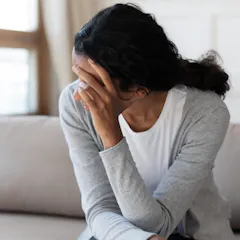
Miscarriage occurs in 15% to 25% of diagnosed pregnancies, bringing heartache to millions of women, many of whom blame themselves. In most cases, however, miscarriage is due to random genetic errors.

Added to the complications of dealing with such a unique type of loss, is the fact that many people feel uncomfortable talking about personal issues with their colleagues.

How do women decide whether – and what – to say about their pregnancy loss experiences on social media?

It’s hard to know where to start. But using the right language can help.

Cliched comments like “it wasn’t meant to be” or “don’t worry, you’ll get pregnant” are hurtful and dismissive. Instead, acknowledge their loss, listen and let them grieve.
Top contributors
-

Assistant Professor of Information, University of Michigan
-
Professor in Management and Marketing, University of Essex
-
Professor of Medical Anthropology, UCL
-
Senior Lecturer in English , University of Birmingham
-
Senior Research Fellow, Central Clinical School, Monash University
-
Professor, Department of General Practice, University of Melbourne, The University of Melbourne
-
Professor of English Language and Applied Linguistics, University of Birmingham
-
PhD student, reproductive history and non-communicable diseases in women, The University of Queensland
-
Fellow in Maternal-Fetal Medicine, University of Virginia
-
Postdoctoral fellow, McGill University
-
Professor of Surgery, University of California, San Francisco
-
Adjunct Senior Research Fellow, Global and Women's Health, School of Public Health & Preventive Medicine, Monash University
-
Professor Indigenous Health Equity, The University of Melbourne
-
Assistant Professor in Transplant Surgery, University of California, San Francisco
-
Assistant Professor of Psychology, San José State University